

In His Name, the Most High
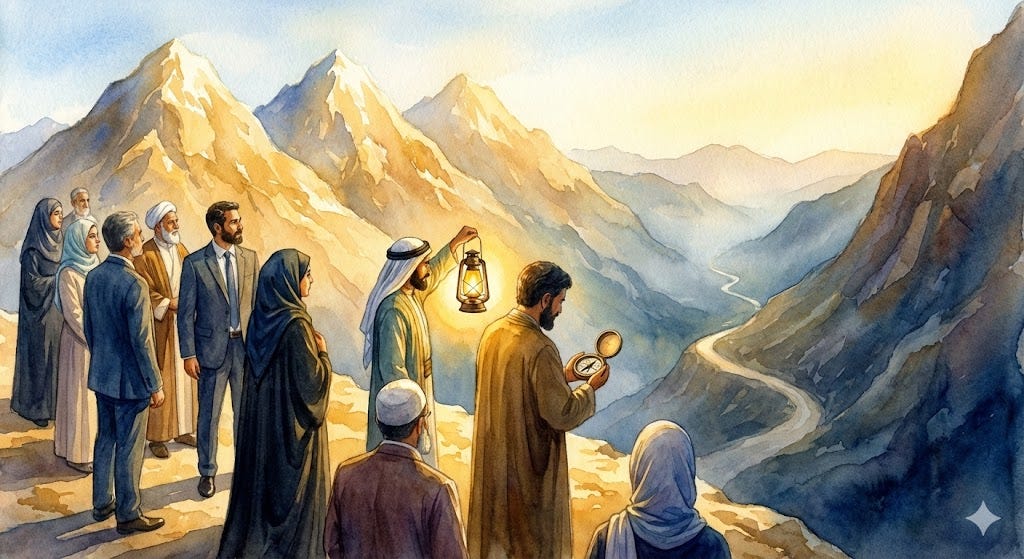
We return tonight to the Lantern of the Path, continuing our ascent toward understanding the Imam of our Time.
For the past three sessions, we have stood upon the summit of the “Introduction”—a trilogy of discussions designed to orient our hearts and clarify our creed.
Before we take a single step forward into the history and strategy of the Occultation, we must ensure our compass is set.
Let us briefly look back at the ground we have covered, for a traveller who forgets his starting point will surely lose his destination.
Video of the Majlis (Sermon/Lecture)
This is the video presentation of this write-up as a Majlis (part of the Truth Promoters Weekly Wednesday Majlis Program)
Audio of the Majlis (Sermon/Lecture)
This is the audio presentation of this write-up as a Majlis (part of the Truth Promoters Weekly Wednesday Majlis Program)
Recap
The Foundation of the Mission
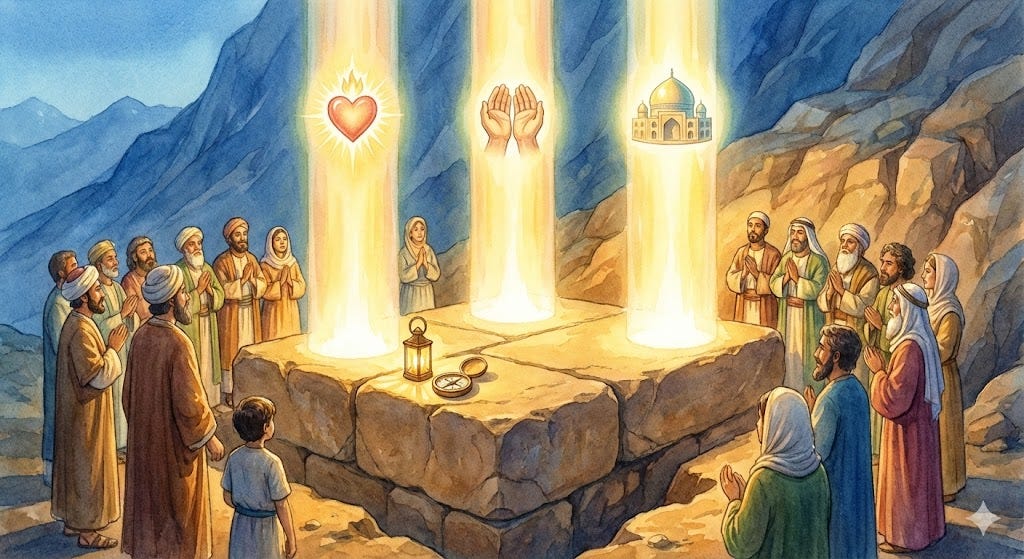
Our journey began by answering three fundamental questions:
Who is he?
What is our duty?
And what is the end goal?
The Commander (The Identity)
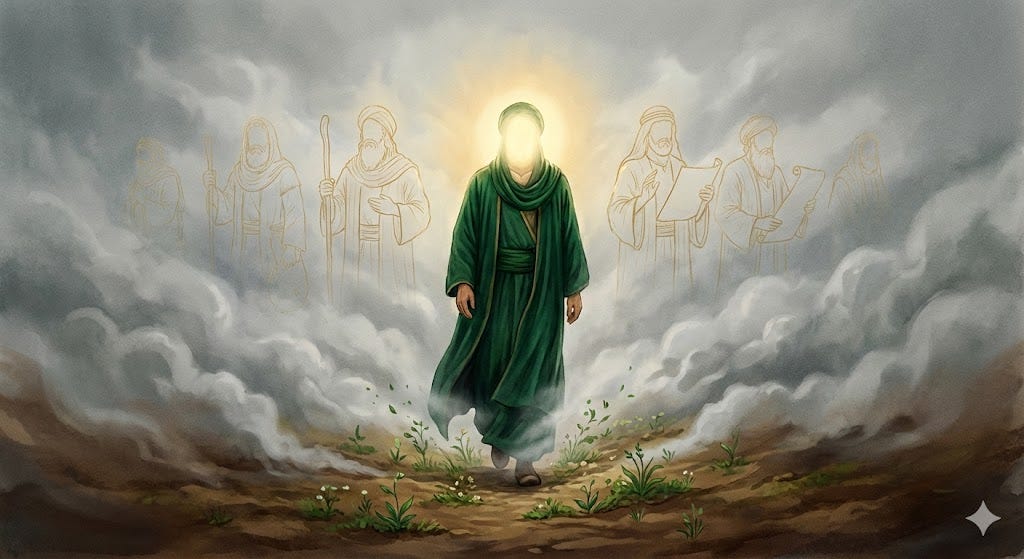
In our first session, we dispelled the fog of ambiguity.
We established that the Saviour is not a nameless “idea” or a “metaphor for hope” to be born in some distant future.
We identified him as a Living Reality. He is Muhammad ibn al-Hasan al-Askari—may our souls be his ransom.
He is the specific, biological descendant of the Prophet, the Heir of the Prophets, present on this earth, walking among us, witnessing our deeds, yet veiled from our eyes by the Wisdom of God.
The Soldier (The Duty)
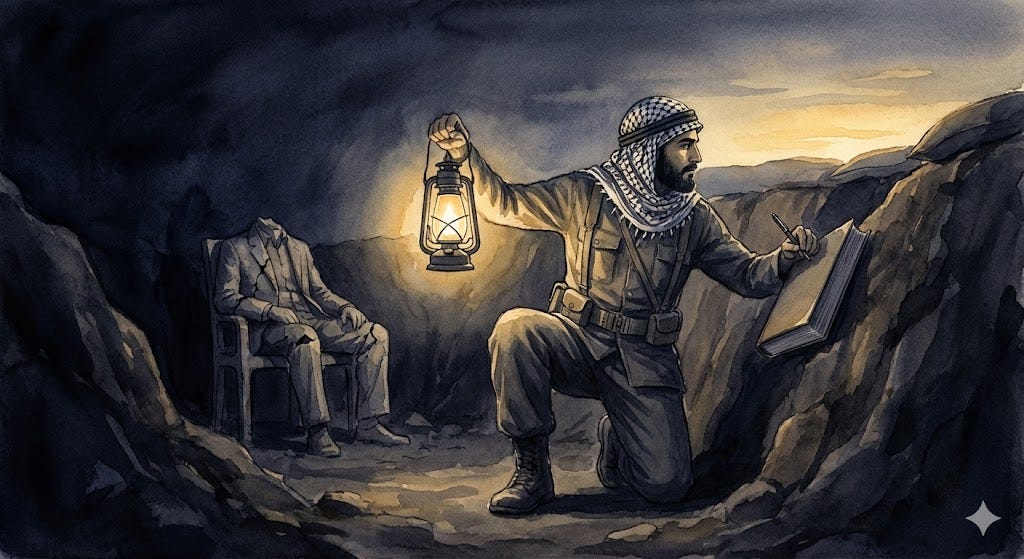
In our second session, we turned our gaze upon ourselves.
We shattered the idol of “passive waiting.”
We learned that intidhaar (waiting) is not the act of sitting in a waiting room; it is the act of a soldier standing guard in a trench.
We defined the revolutionary meaning of waiting:
It is preparation.
It is self-building (jihad al-nafs), societal resistance, and the active paving of the way (tamhid).
We concluded that we cannot invite the Imam of Justice into a world we have allowed to rot in injustice.
The Vision (The Blueprint)
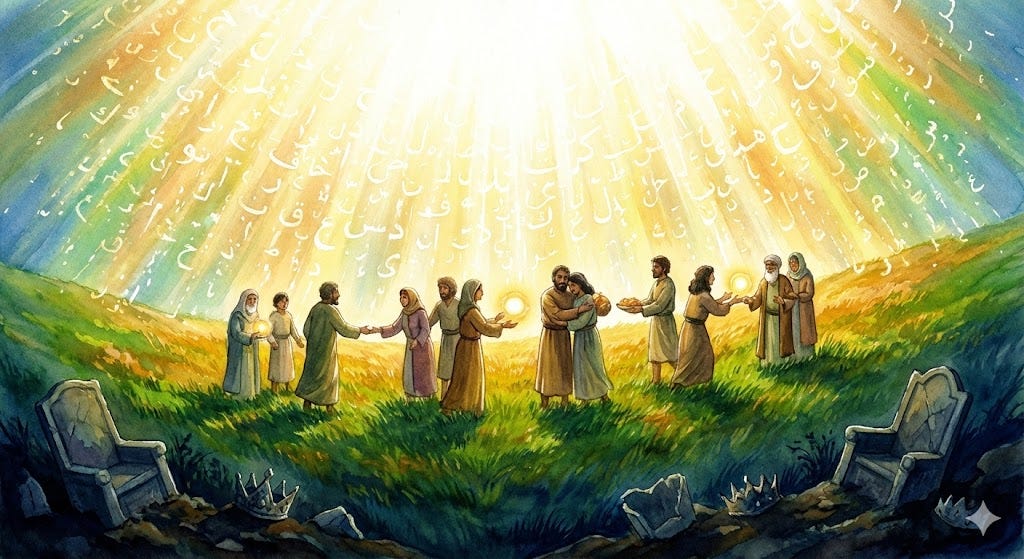
In our last session, we gazed into the promised dawn.
We asked:
What are we fighting for?
We saw that the Mahdawi State is not merely a kingdom of full bellies—it is the Perfection of Humanity.
It is the Revolution of Consciousness, where the twenty-seven letters of knowledge are revealed and the human intellect reaches its maturity.
It is the Revolution of Society, where the economy of greed is replaced by the brotherhood of trust.
And it is the Revolution of Governance, where the pyramid of power is inverted, the Arrogant (Mustakbirin) are cast down, and the Oppressed (Mustad’afin) inherit the earth.
The Transition: From Vision to Strategy
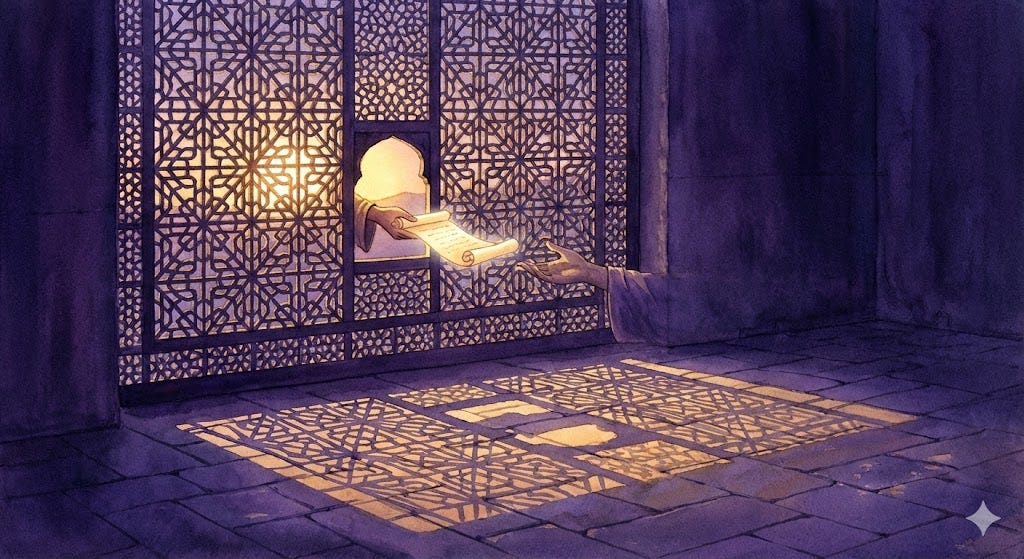
We have established the identity of the leader, the duty of the follower, and the vision of the state.
But a critical question remains.
We know the Imam was present in 260 AH. And we know he will establish this Divine Government in the future.
But between that past and this future lies a silence of over eleven hundred years.
How did the sun set?
Did the Imam simply vanish one day, leaving his community in shock and chaos?
Did the connection between Heaven and Earth snap abruptly?
No.
The Wisdom of God is subtle.
The transition from Presence to Absence was not an accident of history; it was a Divine Strategy.
Tonight, we begin a new chapter in our series.
We move from the Philosophy of Mahdawiyyah to the Architecture of the Occultation.
We will explore the era known as the Lesser Ghaybah (al-Ghaybat al-Sughra).
But before we meet the men who carried his letters—the Four Deputies—we must first understand the Why.
Why did there have to be two occultations?
Why did the sun set in stages?
Why does the “Revolutionary School” view this period not as a tragedy, but as a masterclass in clandestine leadership and the maturing of a nation?
We will examine this through the lens of our senior scholars—from the political insight of Imam Khamenei to the mystical depth of Allamah Tabatabai.
In His Name, and with the permission of the Imam of the Time, let us investigate the Divine Strategy of Absence.
Mahdawiyyah (The Culminating Guidance) - The Two Occultations - The Divine Strategy of Absence
The Political Necessity — Strategic Secrecy in the Face of Arrogance
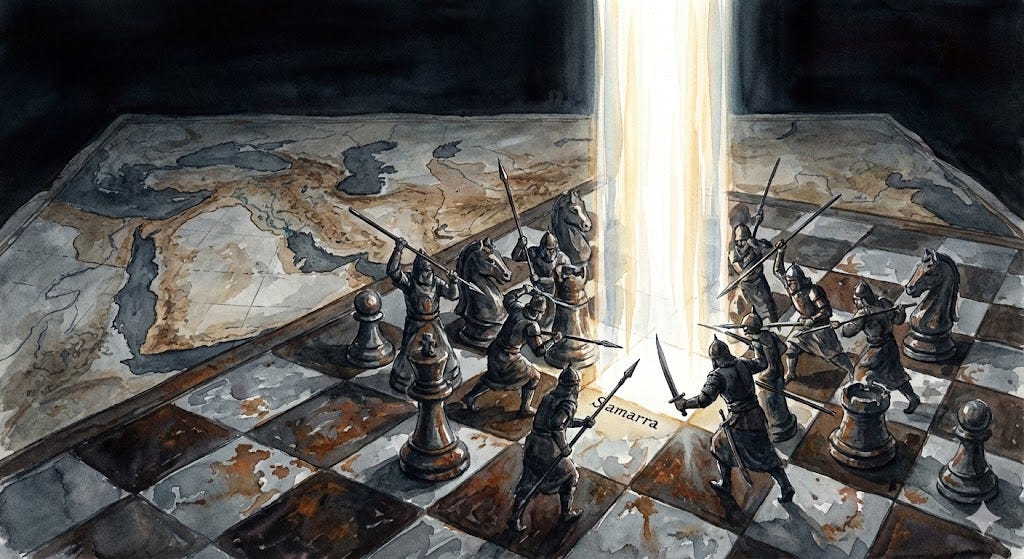
Why did the Imam disappear?
Was it out of fear? Was it an abandonment of the battlefield?
Far from it.
To understand the Ghaybah, we must first understand the political climate of 260 AH—not through the lens of mythology, but through the lens of political realism.
The Siege
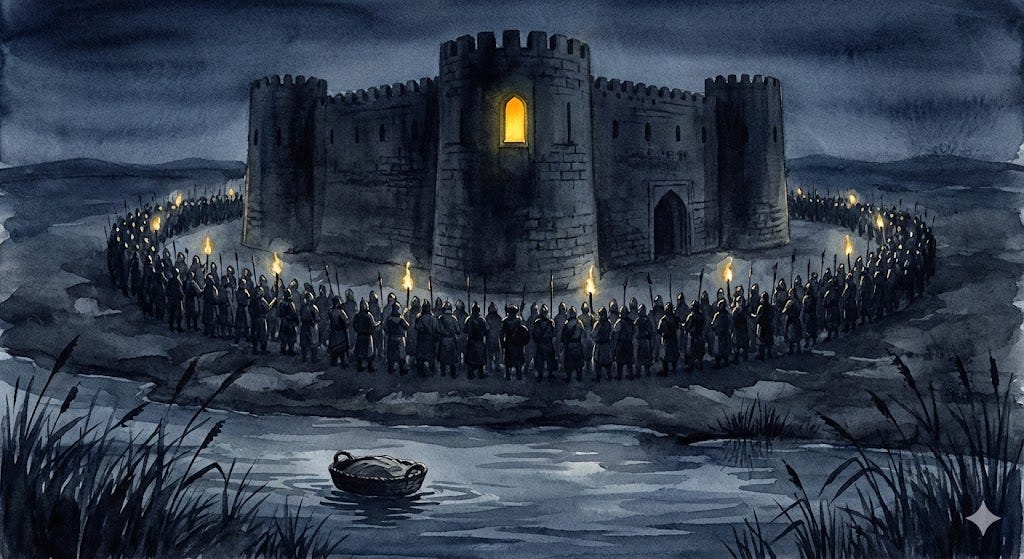
For two hundred and fifty years, the arrogant powers of the time—the Umayyad and Abbasid dynasties—had tried to extinguish the Light of God.
They poisoned Imam Hasan.
They slaughtered Imam Husayn.
They imprisoned Imam Musa al-Kadhim in the dungeons of Baghdad.
By the time of the Eleventh Imam, Hasan al-Askari, the strategy of the enemy had shifted from mere suppression to total containment.
The Imam was under house arrest in a military garrison (askar)—hence his title, al-Askari.
Why this intensity?
Because the Abbasid intelligence knew the prophecies better than many Muslims did.
They knew the hadith of the Prophet, narrated by Salman al-Farsi, who said:
“I entered upon the Messenger of Allah and saw Husayn ibn Ali sitting on his lap. The Prophet was kissing his eyes and his mouth, saying…”
أَنْتَ سَيِّدٌ ابْنُ سَيِّدٍ أَخُو سَيِّدٍ، وَأَنْتَ إِمَامٌ ابْنُ إِمَامٍ أَخُو إِمَامٍ، وَأَنْتَ حُجَّةٌ ابْنُ حُجَّةٍ أَخُو حُجَّةٍ، وَأَنْتَ أَبُو حُجَجٍ تِسْعَةٍ، تَاسِعُهُمْ قَائِمُهُمْ
“You are a master, son of a master, brother of a master. You are an Imam, son of an Imam, brother of an Imam. You are a proof, son of a proof, brother of a proof. And you are the father of nine proofs—the ninth of whom is their Qa’im.”
— Al-Saduq, Kamal al-Din wa Tamam al-Ni’mah, Chapter 24, Hadith 9
They knew the Promised Saviour was due.
They were hunting a child—like Pharaoh hunting Moses, like Herod hunting Jesus.
If the Imam had remained public, he would have been martyred immediately, and the line of Imamate would have been severed before the world was ready.
If he had gone into total, unreachable occultation immediately, the shock would have destroyed the Shia community, leaving them leaderless and confused.
So the Divine Strategy was gradualism.
The Gradualism
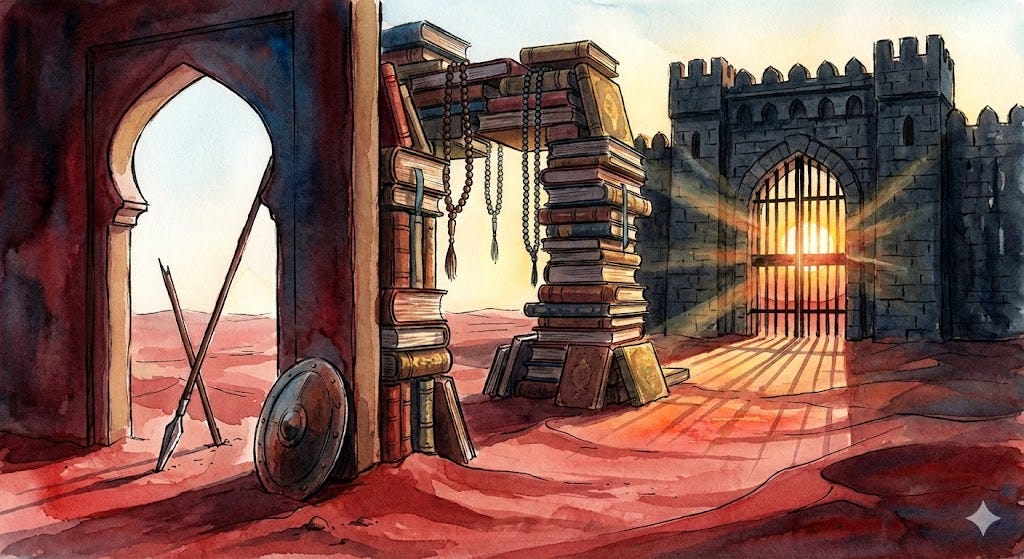
We must realise that this strategy of “screened leadership” did not begin suddenly in 260 AH.
The sun did not set in a single minute; it set over two hundred years.
The Ghaybah began, in spirit, the moment the dust settled on Karbala.
After the massacre of Ashura, the Era of Open Confrontation ended.
The enemy had proven they were willing to slaughter the grandson of the Prophet in broad daylight.
From that moment, the Imams began to withdraw behind curtains of protection, communicating through layers of trust.
Imam Sajjad entered the Ghaybah of Supplication.
Imam Baqir and Imam Sadiq operated within the Ghaybah of Academia.
Imam Hadi and Imam Askari were forced into the Ghaybah of the Garrison.
Each step was a tightening of security—a rehearsal for the final disappearance.
The Prototype
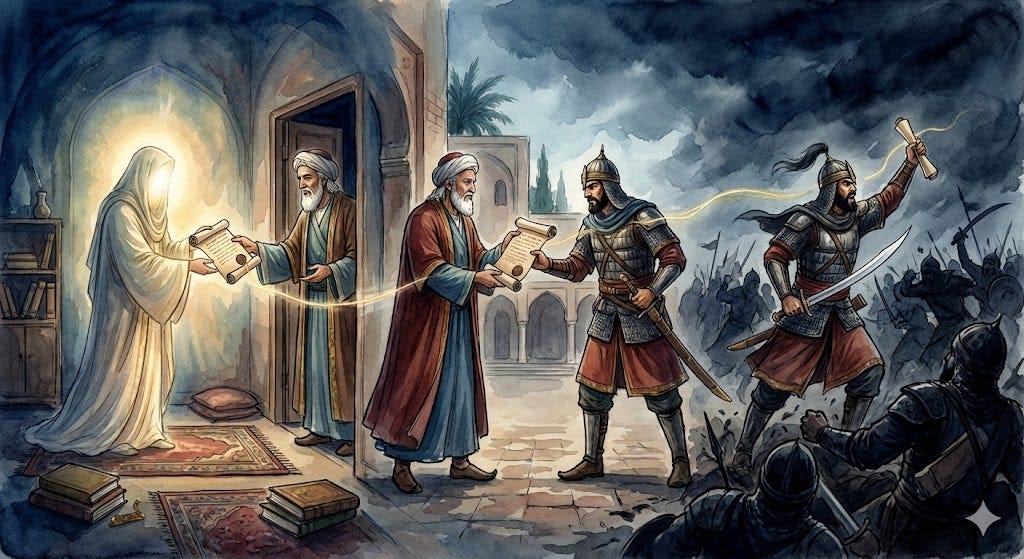
We see the clearest prototype of screened leadership in the uprising of Mukhtar al-Thaqafi.
When Mukhtar sought to rise and avenge the blood of Imam Husayn, he needed the permission of Imam Sajjad.
But the Imam was under such intense surveillance by the Umayyads and Zubayris that he could not issue a public decree.
If he had signed a letter of war, he would have been executed instantly, ending the lineage of Imamate.
So the Imam adopted a strategy of delegation.
When Mukhtar sent the heads of the killers—Ubaydullah ibn Ziyad and Umar ibn Sa’d—to Madinah, the leaders of the Banu Hashim gathered.
They approached Imam Sajjad regarding the legitimacy of Mukhtar’s actions.
The Imam turned to his uncle, Muhammad ibn al-Hanafiyyah, and made this declaration:
يَا عَمِّ، لَوْ أَنَّ عَبْداً زِنْجِيّاً تَعَصَّبَ لَنَا أَهْلَ الْبَيْتِ لَوَجَبَ عَلَى النَّاسِ مُوَازَرَتُهُ، وَقَدْ وَلَّيْتُكَ هَذَا الْأَمْرَ فَاصْنَعْ مَا شِئْتَ
“O Uncle! Even if a slave were to become zealous for us, the Ahl al-Bayt, it would be incumbent upon the people to support him. And I have appointed you as my representative in this matter—so do as you see fit.”
— Al-Majlisi, Bihar al-Anwar, Volume 45, Page 365
This effectively made Muhammad Ibn al-Hanafiyyah the “public face” of the resistance while the Imam remained the “hidden heart.”
Mukhtar rose with the authority of the Imam, but through the channel of the uncle.
This was a test for the community.
Because the Imam remained silent in public, many shortsighted people accused Mukhtar of being a power-hungry liar.
They insulted him. They said,
“If this was legitimate, the Imam would lead it himself!”
They did not understand that the silence of the leader is often the loudest strategy of war.
By operating this way, the Imam achieved two strategic goals.
First, legitimacy: the uprising was now authorised by the Infallible.
Second, protection: if the uprising failed, the blame would fall on the proxy, not the Imam.
The lineage of Imamate would survive to fight another day.
This was the first lesson in the School of Occultation—that the Imam can guide the Ummah to victory without needing to hold the sword in his own hand.
And history vindicated Mukhtar.
When the head of Ubaydullah ibn Ziyad was finally brought to Imam Sajjad, the Imam broke his years of mourning, smiled, and issued a prayer that stands as a seal of approval on the man who acted while others debated:
جَزَى اللَّهُ الْمُخْتَارَ خَيْراً، فَإِنَّهُ قَتَلَ قَتَلَتَنَا، وَطَلَبَ بِثَأْرِنَا، وَزَوَّجَ أَرَامِلَنَا، وَقَسَمَ فِينَا الْمَالَ. رحم الله المختار
“May God reward Mukhtar with good! For surely, he killed our killers, he sought our blood revenge, he arranged marriages for our widows, and he distributed wealth among us. May God have mercy on Mukhtar.”
— Al-Kashshi, Rijal, Volume 1, Page 340–341
— Al-Mufid, Kitab al-Irshad, Volume 1, Page 325
Imam Khamenei, in his analysis of the lives of the Imams in The 250-Year Man—the backbone of our discussion on Imamah—describes this period as the pinnacle of clandestine leadership.
He argues that the Imams were not just spiritual teachers; they were political leaders of a resistance movement.
When the enemy besieges the headquarters, the leader does not surrender—he goes underground.
The Lesser Ghaybah was the buffer zone.
It was a period where the Imam was physically hidden from the mustakbirin, the arrogant, but accessible to the mustad’afin, the oppressed, through a secure channel.
It teaches us that when the arrogant powers besiege the Truth, the Truth does not die—it adapts. It moves from open proclamation to secret networks.
The Precedent
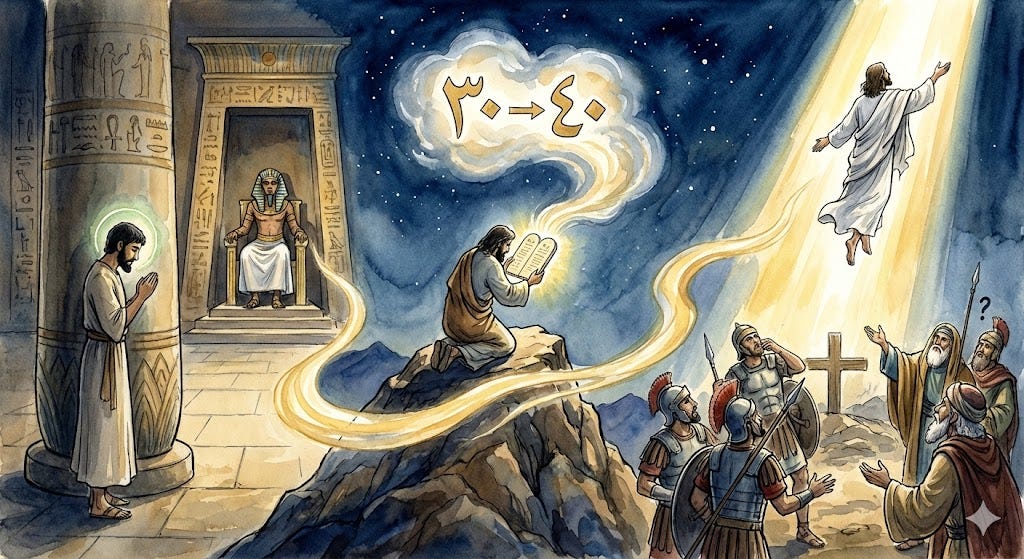
This pattern was not new. The Qur’an itself honours the strategy of concealment.
وَقَالَ رَجُلٌ مُّؤْمِنٌ مِّنْ آلِ فِرْعَوْنَ يَكْتُمُ إِيمَانَهُ أَتَقْتُلُونَ رَجُلًا أَن يَقُولَ رَبِّيَ اللَّهُ...
“A believing man from Pharaoh’s family, who had concealed his faith, said: ‘Are you going to kill a man for saying, “My Lord is God,””
—Qur’an, Surah Ghafir (the Chapter of the Forgiver) #40, Verse 28
Sometimes, concealment is the condition for survival and eventual victory.
And consider Prophet Moses. He did not leave his people for forty nights immediately. He announced thirty, and then it was extended by ten:
وَوَاعَدْنَا مُوسَىٰ ثَلَاثِينَ لَيْلَةً وَأَتْمَمْنَاهَا بِعَشْرٍ فَتَمَّ مِيقَاتُ رَبِّهِ أَرْبَعِينَ لَيْلَةً...
“And We appointed for Moses thirty nights, and completed them with ten—so the term appointed by his Lord was forty nights.”
— Quran, Surah al-A’raf (the Chapter of the Heights) #7, Verse 142
This extension tested the Children of Israel.
Prophet Jesus faced a similar tyranny.
When he was born, the arrogant of his time—the Herodians and the corrupt temple elites—sought to destroy him.
But God did not hide His light; He displayed it.
When Sayyedah Maryam - the Blessed Saint Mary - brought the child to her people and the elders accused her, the infant Jesus spoke from the cradle:
قَالَ إِنِّي عَبْدُ اللَّهِ آتَانِيَ الْكِتَابَ وَجَعَلَنِي نَبِيًّا
He said, “I am the servant of God. He has given me the Scripture, and made me a prophet.
—Qur’an, Surah Maryam (the Chapter of Saint Mary) #19, Verse 30
He dismantled their accusations with a miracle.
Yet when the conspiracy to kill him finally matured, God enacted a Divine Strategy:
…وَمَا قَتَلُوهُ وَمَا صَلَبُوهُ وَلَٰكِن شُبِّهَ لَهُمْ…
“They did not kill him, nor did they crucify him, but it appeared so unto them”
—Qur’an, Surah al-Nisa (the Chapter of the Women) #4, Verse 157
God raised him up—a form of occultation—to preserve him for the future.
Whether through the mountain of Sinai or the ascension to the Heavens, the lesson is the same:
God withdraws His Proof from the physical reach of the tyrants to preserve him for the ultimate victory.
The Imam of our Time followed the sunnah of the Prophets before him—withdrawing from the public eye to preserve the Divine Covenant for the day of readiness.
Lesson for the Present: Visibility is Not Power
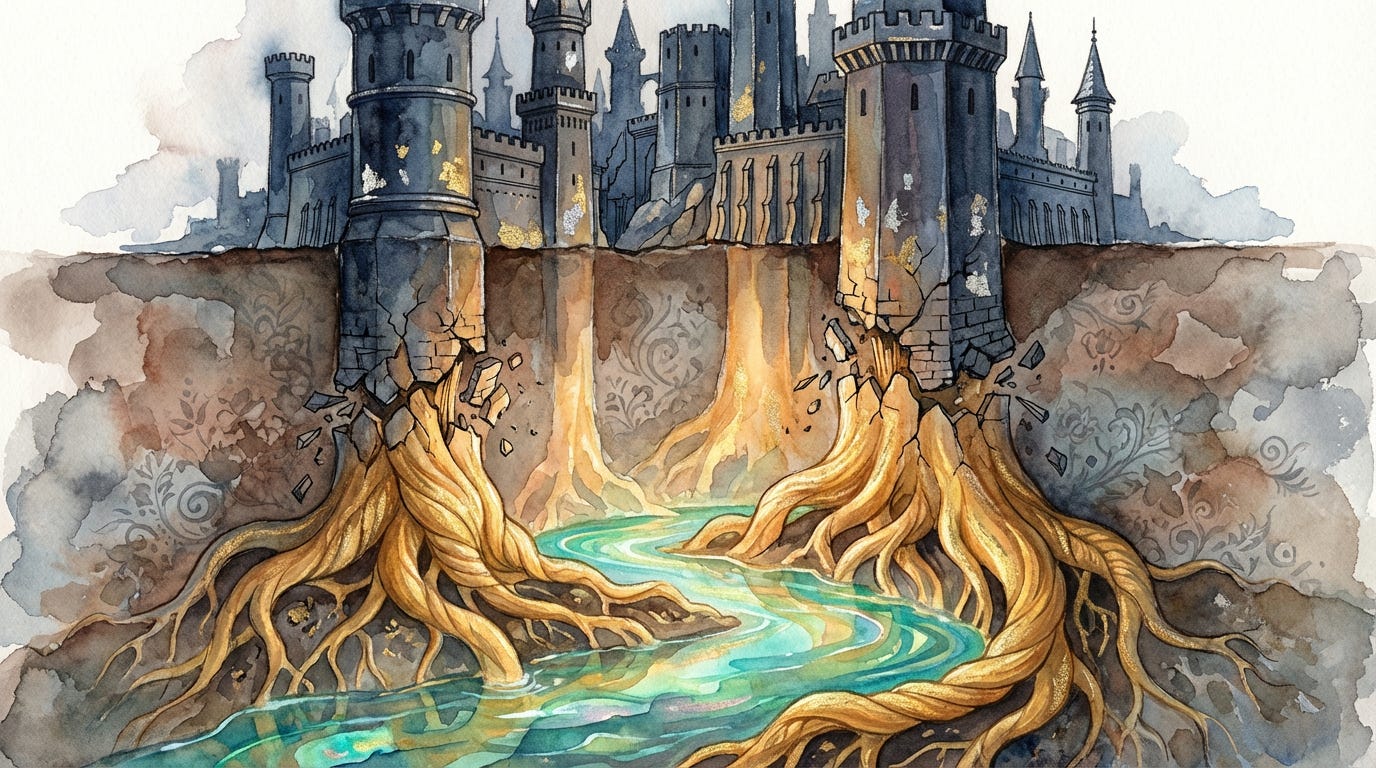
What does this mean for us today?
It teaches us resilience.
We live in a world where the forces of arrogance—media empires, military complexes, economic tyrants—often seem to have besieged the Truth.
They mock our values, they silence our voices, they sanction those who speak out.
We might feel tempted to despair, thinking:
If the Truth is real, why is it not ruling?
The Lesser Ghaybah answers:
Visibility is not the only metric of power.
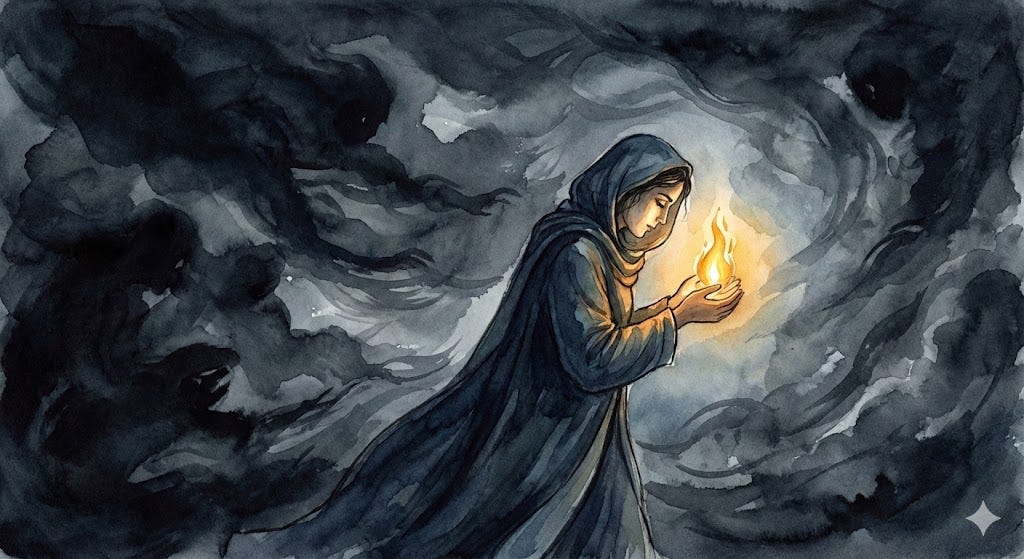
The most potent resistance is often unseen. Just because the Truth is driven underground, or sanctioned, or silenced, does not mean it is defeated.
It is simply in a strategic phase of preparation.
The Call to Clarify: The Art of Strategic Discretion
We must ask ourselves:
Are we protecting our communities with wisdom (hikmah)?
Or are we reckless?
The Imam and his deputies operated with extreme caution to protect the network of believers.
Do we value operational security (OPSEC) in our own struggles?
Do we protect our institutions, our youth, and our unity from the prying eyes of those who wish us harm?
Or do we expose ourselves through carelessness and disunity?
To be a follower of the Hidden Imam is to learn the art of being effective without needing to be loud.
The Societal Necessity — Weaning the Ummah
We have spoken of the political reason for the Occultation: safety. Now we must speak of the societal reason: maturity.
Why did the Lesser Ghaybah last specifically sixty-nine years? Why not ten? Why not one hundred?
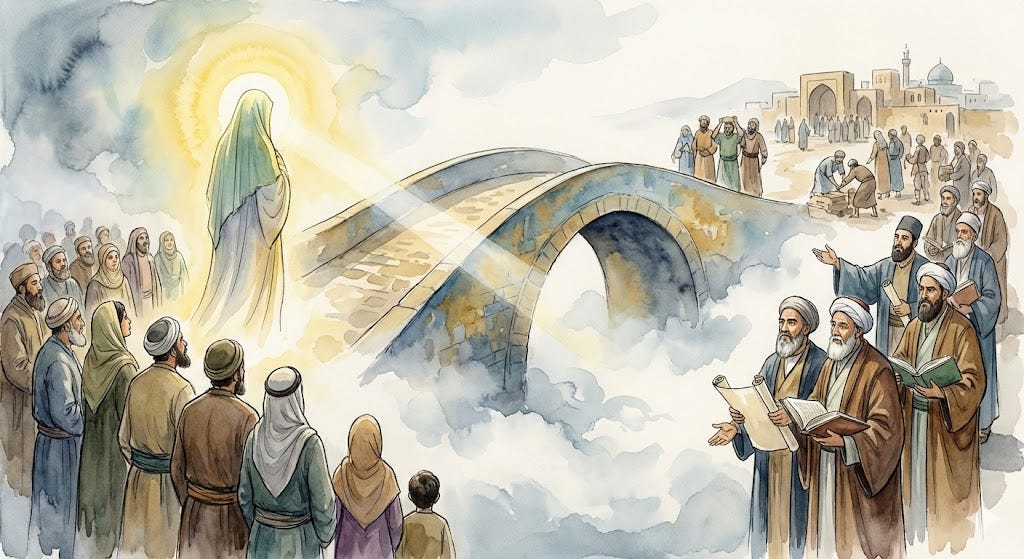
Shahid Mutahhari argues that the sudden disappearance of the Leader would have led to a collapse of faith. The Lesser Ghaybah was the structural bridge to ensure continuity:
اگر غیبت صغری نبود و غیبت کبری دفعتاً و ناگهانی واقع میشد، ممکن بود موجب انحراف افکار شود و مردم وجود مقدس او را انکار نمایند. از اینرو غیبت صغری پیش آمد تا مردم با نُوّاب خاص تماس داشته باشند و علایم و آثار آن حضرت را ببینند و بشنوند، تا ایمانشان کامل گردد و آماده مرحله غیبت کبری شوند.
“If the Lesser Occultation did not exist, and the Greater Occultation had occurred suddenly and abruptly, it might have caused a deviation in thoughts, and people might have denied his sacred existence altogether. Therefore, the Lesser Occultation occurred so that the people could maintain contact with the Special Deputies, and see and hear the signs and traces of His Eminence, so that their faith would be perfected and they would become ready for the stage of the Greater Occultation.”
— Ayatullah Shaheed Mutahhari, Imamat wa Rahbari (Imamate and Leadership), Discussion on the Hidden Imam
Ayatullah Misbah-Yazdi focuses on the psychological dimension — the habit of the Shia. He explains that the community had grown addicted to direct access, and the Lesser Ghaybah was the rehabilitation period to teach them to refer to the Jurists:
حکمت این غیبت [صغری] این بود که مردم کمکم آمادگی پیدا کنند تا در زمان غیبت کبری، تکلیف خود را بدانند و سرگردان نشوند. شیعیان در طول دو قرن و نیم عادت کرده بودند که به خانه امام مراجعه کنند و مسائل خود را مستقیماً بپرسند. اگر یکباره این در بسته میشد، شوک بزرگی به جامعه وارد میشد. در غیبت صغری، امام مردم را تمرین دادند که به جای مراجعه به «شخص»، به «نوّاب» و سپس به «فقها» مراجعه کنند.
“The wisdom behind this [Lesser] Occultation was for the people to gradually acquire readiness, so that during the time of the Greater Occultation, they would know their duty and not be left wandering in confusion. For two and a half centuries, the Shia were accustomed to going to the house of the Imam and asking their questions directly. If this door had been closed all at once, a massive shock would have been inflicted upon the society. In the Lesser Occultation, the Imam trained the people to refer to the ‘Deputies’ (Nuwwab), and subsequently to the ‘Jurists’ (Fuqaha), instead of referring to the ‘Person’ [of the Imam].”
— Ayatullah Misbah-Yazdi, Aftab-e Velayat (The Sun of Guardianship), Chapter on the Falsafeh-ye Ghaybat (The Philosophy of Occultation)
The Dependency
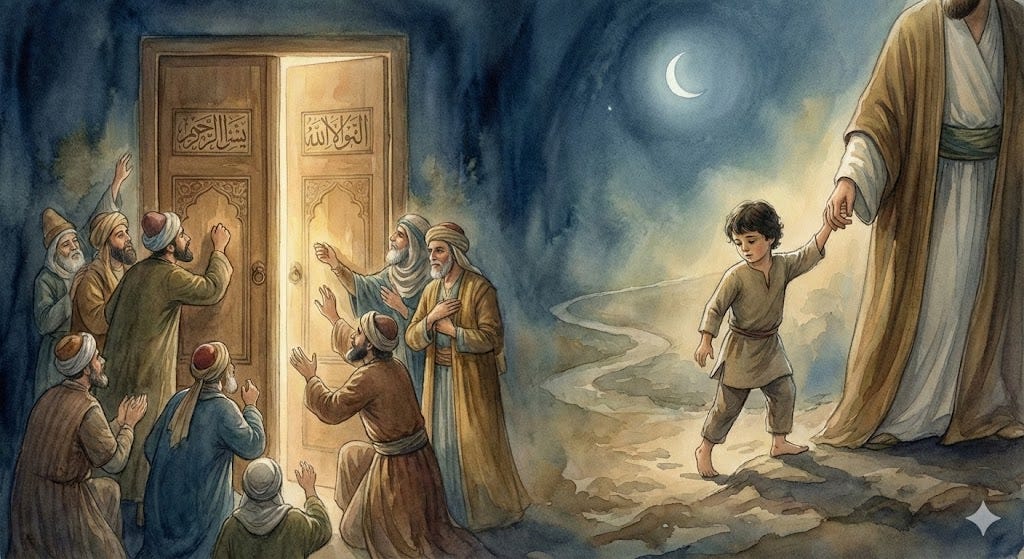
For two hundred and fifty years — from Imam Ali to Imam Askari — the Shia had a luxury that became a crutch.
Whenever they had a problem, they knocked on a door.
If they had a legal question, they asked the Imam.
If they had a dispute, the Imam judged.
They were spiritually dependent.
Like a child holding his father’s hand, they had never learned to walk alone.
If the Imam had vanished overnight in 260 AH, the community would have collapsed.
They did not know how to derive laws, how to manage funds, or how to govern themselves without a visible Infallible.
The Weaning
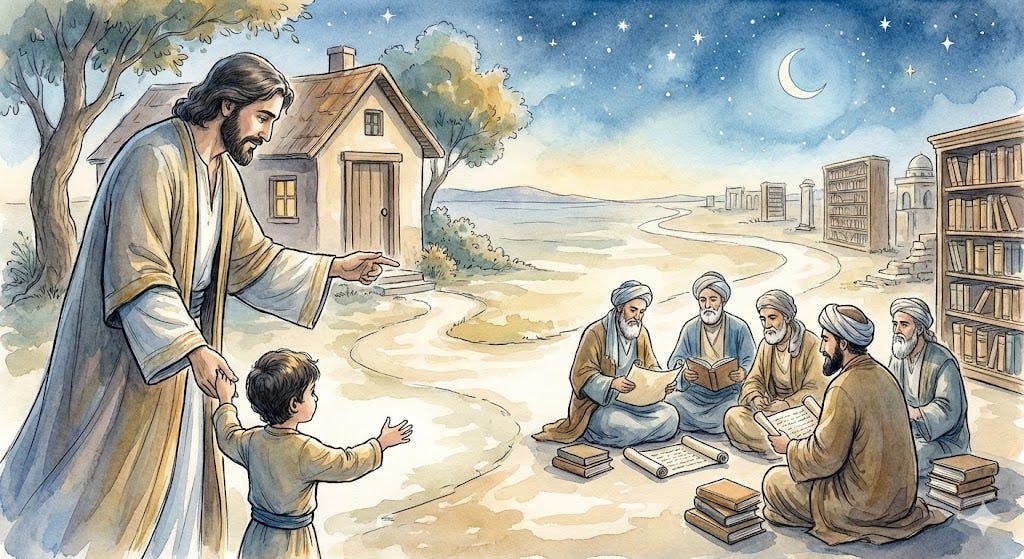
You cannot take a child who holds his father’s hand and suddenly drop him in a desert.
You must loosen the grip slowly.
The Lesser Ghaybah was the weaning period.
For sixty-nine years, the Imam was there — but he was hard to reach.
You could not knock on his door; you had to speak to Uthman ibn Sa’id.
You had to write a letter.
You had to wait.
Day by day, year by year, the Imam was teaching them a new paradigm:
Stop looking for the Person, and start looking for the Principle.
He was teaching them to trust the narrators of the hadith, the carriers of the message, and the scholars of the law.
The System
This is the brilliance of the Revolutionary School.
We do not view the Ghaybah as abandonment; we view it as empowerment.
By directing the people to the Deputies, the Imam was building the infrastructure of self-reliance.
He was essentially saying:
God has given you the Qur’an. I have given you the Sunnah. And now I am giving you the Deputies. You have the tools. Now, govern yourselves.
This period is the root of Marjaiyyah and Wilayat al-Faqih.
The authority of the jurist during the Occultation is not an invention of the twentieth century; it is the direct instruction of the Imam during the weaning period.
He wrote in a tawqi’:
وَأَمَّا الْحَوَادِثُ الْوَاقِعَةُ فَارْجِعُوا فِيهَا إِلَى رُوَاةِ حَدِيثِنَا، فَإِنَّهُمْ حُجَّتِي عَلَيْكُمْ وَأَنَا حُجَّةُ اللَّهِ عَلَيْهِمْ
“As for the newly occurring events (al-hawadith al-waqi’ah), refer regarding them to the narrators of our traditions (ruwat hadithina), for surely they are my proof over you, and I am the Proof of God over them.”
— Al-Saduq, Kamal al-Din wa Tamam al-Ni’mah (The Perfection of Religion and the Completion of Divine Favour), Volume 2, Chapter 45, Hadith 4, Page 484
The Lesser Ghaybah was the birth of the system — the shift from referring to the Person to referring to the Principle.
The Distinction
However, a warning is necessary.
When we speak of obedience to scholars, we are not speaking of blind allegiance to anyone who wears a turban or sits on a pulpit.
The Imam did not give us a blank cheque to follow the ambitious, the fame-hungry, or the worldly.
He gave us criteria.
Just as we test gold to distinguish it from brass, we must test those who claim to lead us.
The Imam’s father, Imam Hasan al-Askari, laid down the strict qualifications for the scholar who deserves our taqlid.
It is not enough to be learned; one must be God-fearing:
فَأَمَّا مَنْ كَانَ مِنَ الْفُقَهَاءِ صَائِناً لِنَفْسِهِ، حَافِظاً لِدِينِهِ، مُخَالِفاً لِهَوَاهُ، مُطِيعاً لِأَمْرِ مَوْلَاهُ، فَلِلْعَوَامِّ أَنْ يُقَلِّدُوهُ
“As for the jurist who protects his own soul, preserves his religion, opposes his own desires, and is obedient to the command of his Master — it is for the common people to emulate him.”
— Al-Hurr al-Ameli, Wasa’il al-Shia, Kitab al-Qada (Book of Judiciary), Chapter on the attributes of the judge
The Standard
Imam Khomeini, the man who revived the political authority of the scholar in our age, was terrified of corrupt scholars even more than he was of corrupt kings.
He warned that the damage caused by a scholar who seeks worldly status is worse than the damage caused by the army of Yazid.
Why?
Because Yazid kills the body, but a corrupt scholar kills the faith.
“اگر عالم فاسد بشود، عالَم فاسد میشود... ضرر آخوند فاسد از ضرر ساواک به اسلام بیشتر است. آن، جيش يزيد است؛ این، بدتر از جيش يزيد است.”
“If the scholar becomes corrupt, the world (alam) becomes corrupt... The harm inflicted by a corrupt cleric upon Islam is greater than the harm inflicted by SAVAK [the Shah’s brutal secret police]. That [SAVAK] is the army of Yazid; this [the corrupt scholar] is worse than the army of Yazid.”
— Imam Khomeini, Sahife-ye Imam, Volume 14, Lecture to the Clergy (also found in his book Jihad-e Akbar (the Greater Struggle)
These are not small words.
When Imam Khomeini says a corrupt scholar is worse than the army of Yazid, he means it literally.
Yazid killed Imam Husayn, but his sacrifice saved the religion.
A corrupt scholar uses the name of Imam Husayn to sell the religion, thereby killing it from the inside.
Imam Khamenei expands on this, distinguishing between the Scholar of the Din and the Scholar of the Court:
“در طول تاریخ، روحانیت شیعه همیشه در کنار مردم و در مقابل حکام جور بوده است... اما همیشه افرادی هم بودهاند که «آخوند درباری» و «وعاظ السلاطین» شدهاند. اینها کسانی هستند که دین را به دنیا میفروشند و توجیهگر جنایات مستکبرین میشوند.”
“Throughout history, the Shia clergy has always stood beside the people and against the oppressive rulers... But there have always been individuals who became ‘Court Clerics’ (Akhund-e Darbari) and ‘Preachers of the Sultans’ (Wu’az al-Salatin). These are the ones who sell their religion for the world and become apologists for the crimes of the Arrogant Powers.”
— Imam Khamenei, Address to the Clergy of Khorasan Province, July 10, 1990, reiterated in his Charter of the Clergy (Manshur-e Rohaniyat) speeches
Lesson for the Present: The Weight of Maturity
This changes how we see our current responsibilities.
We are not orphans waiting for a parent to come home and cook dinner.
We are adults who have been entrusted with the house.
The Imam is waiting for us to be ready.
He is waiting for the Ummah to prove it can handle the weight of justice.
If we are still sitting around waiting for miracles to fix our corruption, our disunity, and our weakness, then we have failed the lesson of the Lesser Ghaybah.
We are acting like children who refuse to be weaned.
Call to Clarify: The Bridge of Taqwa
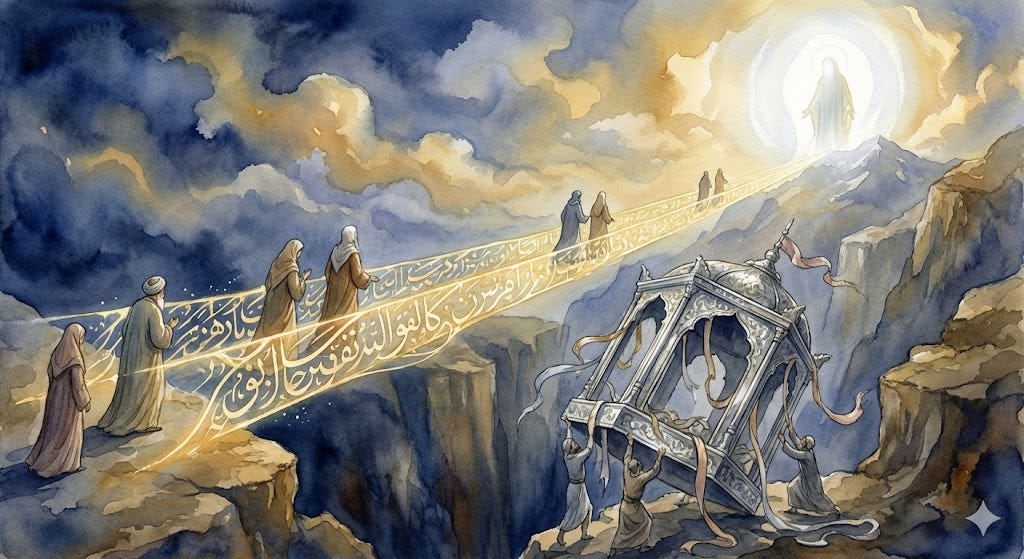
We must ask ourselves: Are we passive waiters, or active preparers?
Do we treat our scholars and leaders with the obedience due to the general deputies of the Imam — or do we pick and choose what we like?
The weaning was meant to create a disciplined, organised structure — a hierarchy of obedience.
If we break that structure, we break the very bridge the Imam built for us.
But we honour that bridge — we honour the institutions of Marjaiyyah and Wilayat al-Faqih — precisely by rejecting the impostors who use religion for personal gain.
The bridge to the Imam is built on taqwa, not on popularity.
The Ontological Necessity – The Sun Behind the Clouds

We have discussed the political strategy: safety from tyrants. We have discussed the societal strategy: weaning the community. But a sceptic might ask a deeper question:
If the Imam is hidden, if he is not ruling, and if he is not teaching publicly — then why is he here at all?
Why didn’t God simply raise him to Heaven like Jesus and send him back when the time is right?
Why keep him on Earth, alive, for eleven hundred years in secret?
The answer lies not in politics, but in ontology — the nature of existence itself.
The Anchor

According to the teachings of Allamah Tabatabai and the deep philosophy of the Ahl al-Bayt, the Imam is not merely a ruler.
He is the Pole of the Universe (Qutb al-Alam) — the conduit through which Divine Grace (fayz) descends from the Realm of Command (alam al-amr) to the Realm of Creation (alam al-khalq).
Just as the heart pumps blood to the limbs even while the limbs are asleep, the Imam pumps spiritual life to the universe even while the universe ignores him.
There is a famous and terrifying hadith in al-Kafi that settles this:
لَوْ بَقِيَتِ الْأَرْضُ بِغَيْرِ إِمَامٍ لَسَاخَتْ
“If the earth were to remain without an Imam for even a single hour, it would swallow its inhabitants.”
— Al-Kulayni, Al-Kafi, Volume 1, Kitab al-Hujjah (the Book of the Proof), Page 179
Allamah Tabatabai explains that the Perfect Man (al-Insan al-Kamil) is the reason God looks upon the Earth with mercy.
Without this perfect mirror of the Divine Names, the connection between Creator and Creation would snap.
The Earth would collapse into chaos.
«امام، هادی و راهنمای نفوس است به سوی حقایق عالم بالا... و اوست که واسطهی فیض الهی است که به عالم میرسد. و به همین دلیل است که در حدیث آمده است: «لَوْ بَقِيَتِ الْأَرْضُ بِغَيْرِ إِمَامٍ لَسَاخَتْ» (اگر زمین بدون امام بماند، ساکنانش را فرو میبرد). امام، قطب عالم امکان است. او قلب تپندهی جهان هستی است و همانطور که قلب، حیات را به سایر اعضای بدن میرساند، امام نیز به وسیلهی هدایت تکوینی و معنوی خود، حیات و فیض الهی را به سایر اجزای عالم توزیع میکند.»
“The Imam is the guide of souls toward the truths of the higher world... and he is the Intermediary of Divine Grace (Wasitah-ye Fayz) that reaches the world. And it is for this reason that it is said in the Hadith: ‘If the earth remained without an Imam, it would swallow its inhabitants.’ The Imam is the Pole of the Contingent World (Qutb-e Alam-e Imkan). He is the beating heart of the universe of existence, and just as the heart conveys life to the other members of the body, the Imam also, by means of his ontological and spiritual guidance, distributes Divine Life and Grace to the other parts of the universe.”
— Allamah Tabatabai, Shi’ah dar Islam, Part 2, Chapter 5, Imamology
The Imam must exist on Earth.
His physical presence — even if unseen — is the anchor that holds the ship of humanity steady in the storm of existence.
The Metaphor
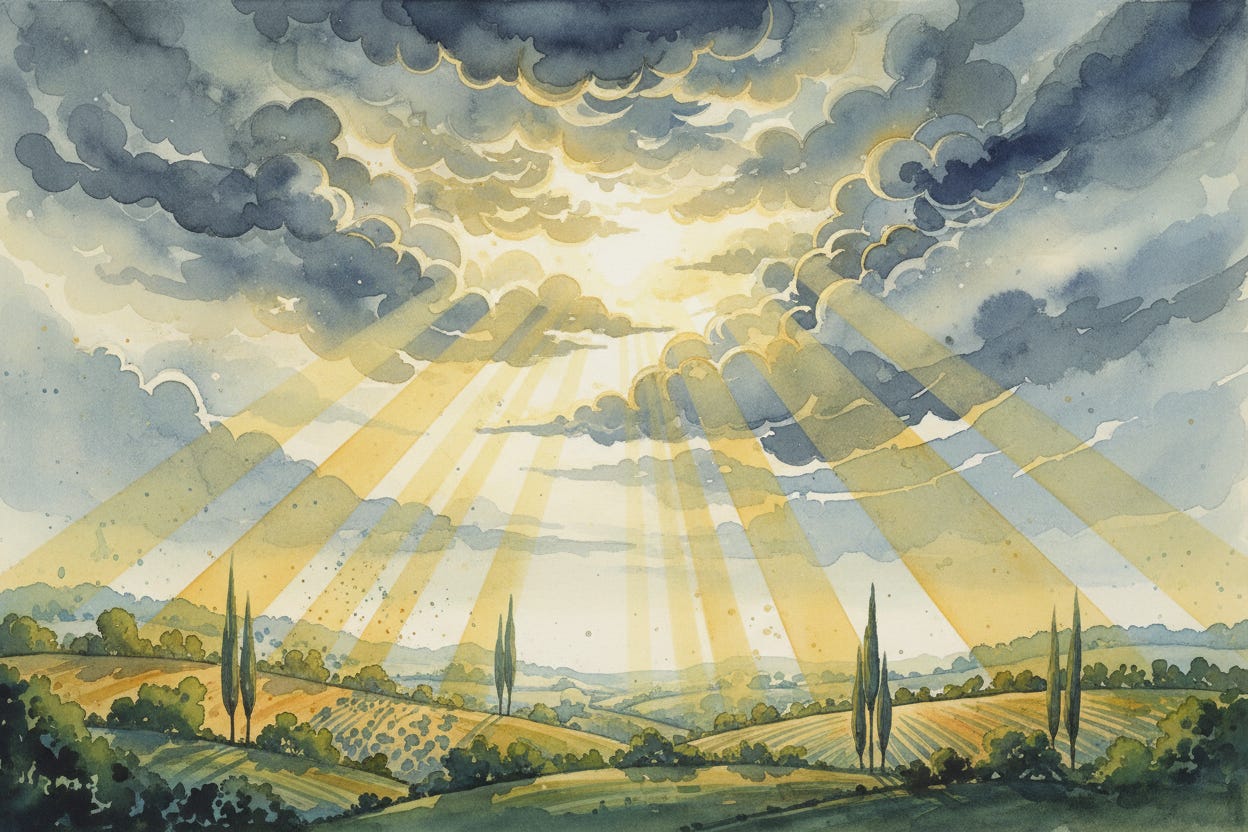
But how do we benefit from a hidden anchor?
The Imam himself gave us the most beautiful answer in his famous letter to Ishaq ibn Ya’qub:
وَأَمَّا وَجْهُ الاِنْتِفَاعِ بِي فِي غَيْبَتِي فَكَالاِنْتِفَاعِ بِالشَّمْسِ إِذَا غَيَّبَهَا عَنِ الأَبْصَارِ السَّحَابُ
“As for the manner of benefiting from me in my occultation, it is like the benefit of the sun when the clouds cover it from the eyes.”
— Al-Saduq, Kamal al-Din wa Tamam al-Ni’mah (The Perfection of Religion and the Completion of Divine Favour), Volume 2, Chapter 45, Hadith 4 (narrated by Ishaq ibn Ya’qub via the Second Deputy of the Imam, Abu Ja’far Muhammad ibn Uthman al-Amri)
The Benefits
Ayatullah Jawadi-Amoli, the great mystic and jurist who studied under Allamah Tabatabai, unpacks this metaphor with precision.
Even when you cannot see the sun, he explains, it is the sun’s gravity that keeps the earth in orbit.
It is the sun’s heat that keeps the atmosphere from freezing.
If the sun vanished, we would die instantly — clouds or no clouds.
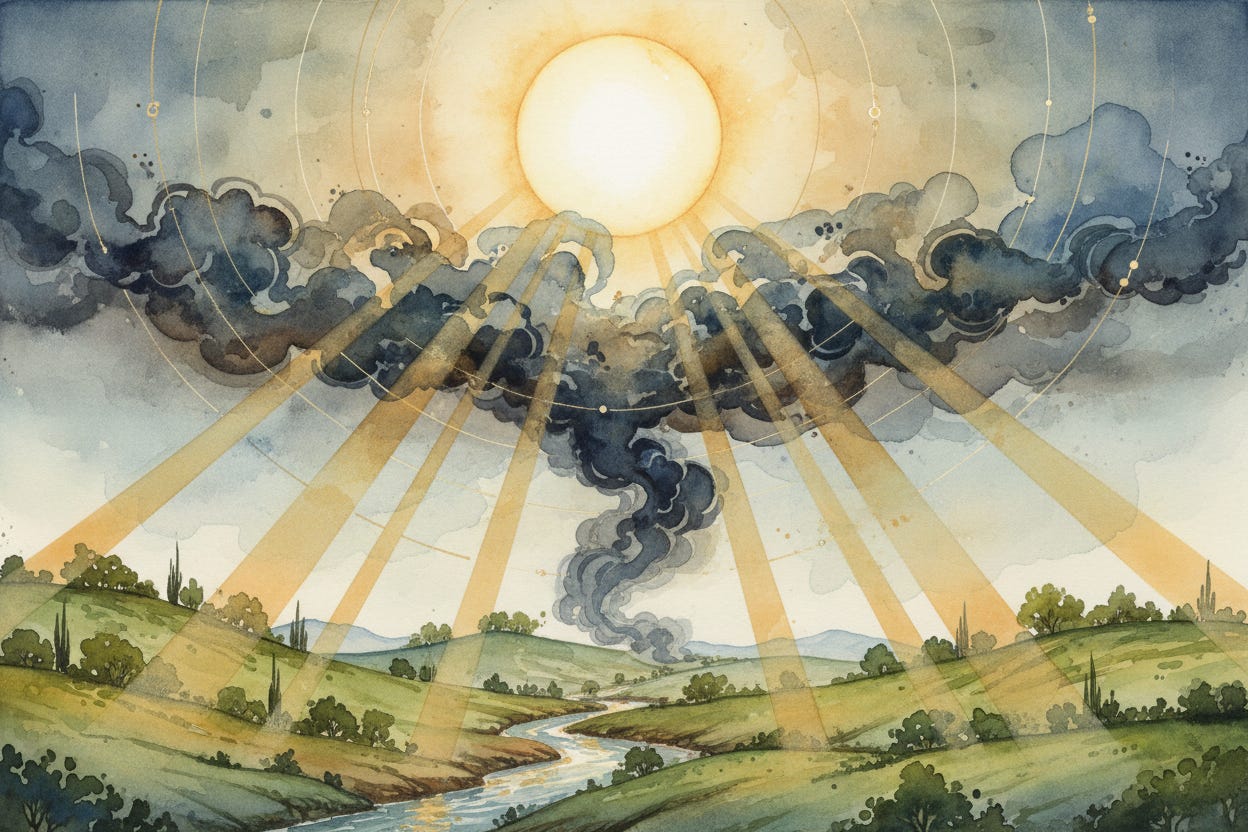
And who is to blame for the clouds?
The sun is always shining.
The sun does not hide.
The clouds hide the sun.
And what are the clouds?
Our sins.
Our lack of capacity.
Our disunity.
«خورشید در منظومه شمسی مرکزیت دارد و کرات و سیارات به دور او در حرکتاند، چنان که وجود گرامی حضرت حجت (عج) در نظام هستی مرکزیت دارد...
خورشید در این مجموعه، منافع فراوانی دارد: ۱. ایجاد جاذبه، که مایه ثبات و بقای نظام است. ۲. گرما و حرارت، که از پشت انبوه ابر غلیظ نیز به زمین میرسد؛ باد و باران، روییدن گیاهان و امثال آن از برکت تابش خورشید است و ابرگرفتگی در آن اثر مهمی ندارد. بله، نورافشانی از پشت ابر کمتر خواهد بود.
بدین ترتیب، ابرگرفتگی فقط یکی از منافع آفتاب را تقلیل میدهد، نه اینکه از بین ببرد. ثانیاً، ابری بودن فضا، مانع دیدن ماست نه مانع تابش خورشید. خورشید همواره میتابد و این ابر است که حجاب دیدگان ما شده است... و غیبت آن حضرت نیز نتیجه اعمال و رفتار خود انسانهاست.»
“The sun holds the central position in the solar system, and the planets and spheres revolve around it; just as the precious existence of the Proof (Imam Mahdi) holds the central position in the system of existence...
The sun in this system provides numerous benefits:
The Creation of Gravity, which is the source of the stability and survival of the system.
Heat and Warmth, which reach the earth even from behind thick clouds; wind, rain, the growth of plants, and the like are all from the blessings of the sun’s radiation, and cloudiness has no significant effect on them. Yes, the emission of light will be less from behind the clouds.
Thus, cloudiness only reduces one of the benefits of the sun [visibility], it does not eliminate it. Secondly, the cloudiness of the sky is an obstacle to our vision, not an obstacle to the sun’s shining. The sun is always shining, and it is the cloud that has become a veil over our eyes... and the Occultation of that Holiness is also the result of the actions and behaviours of the humans themselves.”
— Ayatullah Jawadi-Amoli, Imam Mahdi: Mawjud-e Maw’ud (Imam Mahdi, the Promised Existing One), Chapter 2 on the Philosophy of Occultation, Page 135
The Imam’s spiritual gravity holds our society together.
The warmth of his grace reaches us even now.
It is only the direct light — the visible guidance — that the clouds obscure.
And we are the ones who gathered the clouds.
The Mirror
The late mystic Ayatullah Hasanzadeh-Amoli took this further. He used to say that we must not complain about the “absence” of the Imam.
The Imam is hadhir — present.
It is we who are gha’ib — absent.
We are the ones with our eyes closed. The blind man cannot blame the sun for the darkness.
«جانِ من! امامِ زمان (عج) غایب نیست، تو غایبی. وقتی کوری، خورشید را نمیبینی، میگویی خورشید غایب است؟ خورشید که غایب نیست، چشم تو بسته است. چشمت را باز کن تا ببینی. غیبت، صفت ماست نه صفت او. او حاضری است که هرگز غایب نمیشود.»
“My dear soul! The Imam of the Time is not absent; you are absent. When you are blind and cannot see the sun, do you say the sun is absent? The sun is not absent; your eyes are closed. Open your eyes so that you may see. Occultation (Ghaybah) is our attribute, not his attribute. He is a Presence that never becomes absent.”
— Ayatullah Hasanzadeh-Amoli, Hezar-o-Yek Nokteh (One Thousand and One Points), Nokteh (Point) 244
Lesson for the Present: Spiritual Hygiene
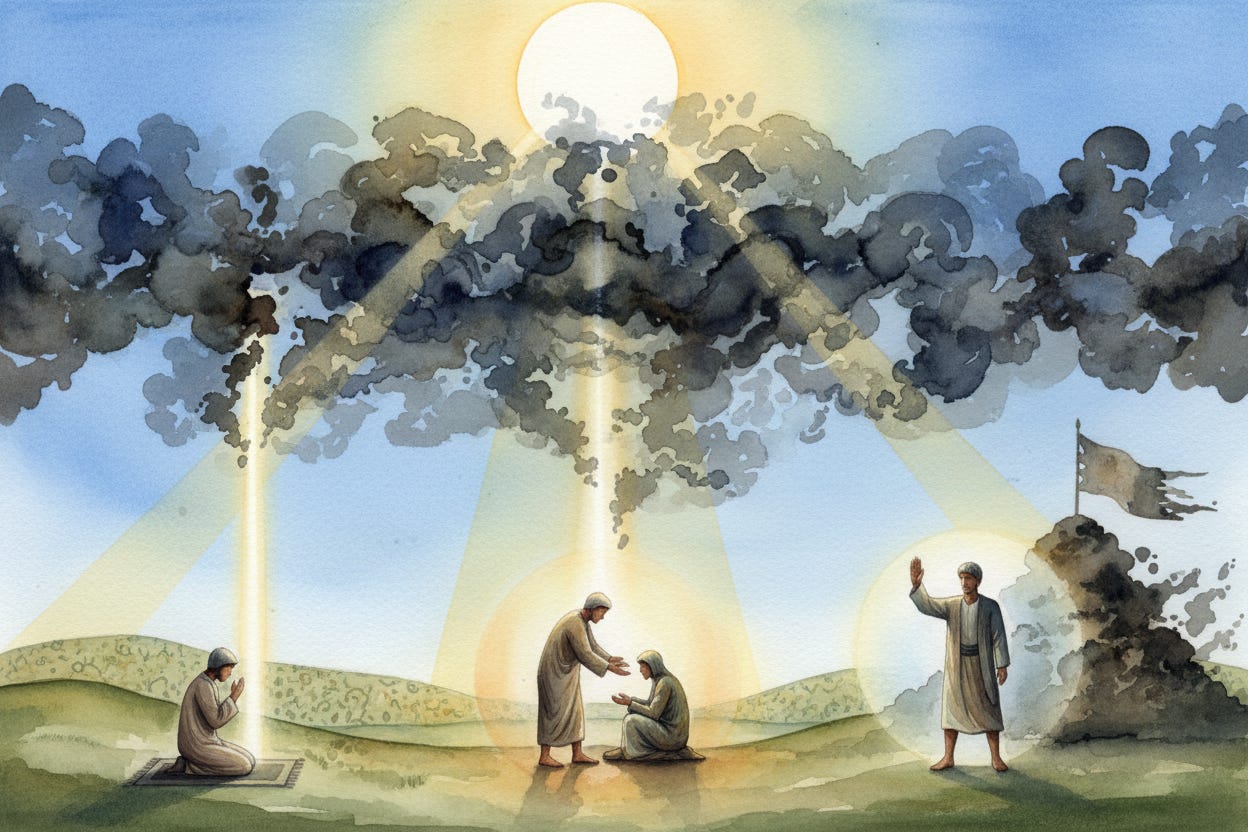
This transforms our relationship with the Ghaybah.
It is no longer a political problem for the future; it is a spiritual problem for the now.
If I do not feel the presence of the Imam in my life, I must not look at the sky and ask, “Where are You?”
I must look at my heart and ask, “What have I done to cloud my view?”
Every sin we commit adds a layer of smog to the sky.
Every act of kindness, every prayer, every resistance against oppression clears the air and lets the rays shine through.
Call to Clarify: Polishing the Mirror
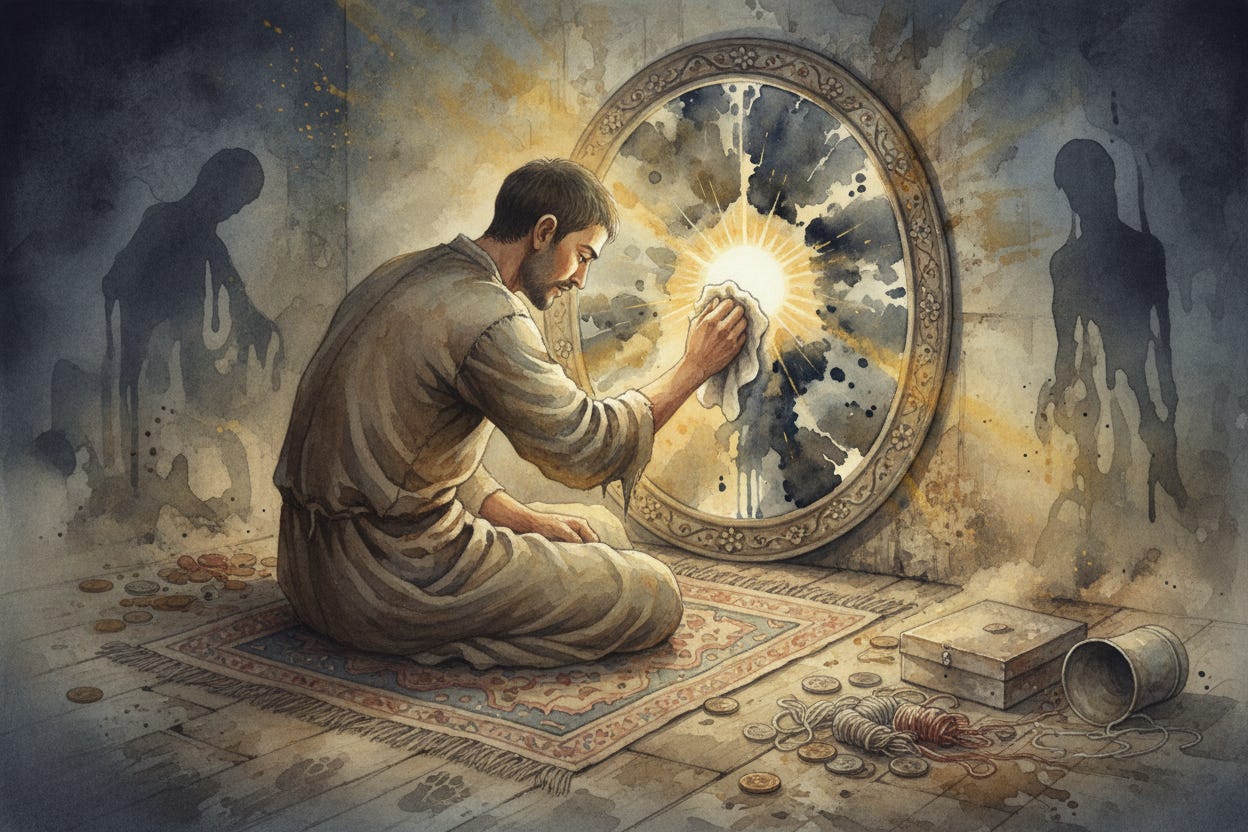
Let us be honest with ourselves.
We claim to be waiting for the Sun to rise.
But are we actively polishing the mirror of our hearts to reflect it?
Or are we so covered in the dust of the material world — obsession with wealth, petty arguments, neglect of the poor — that even if the Imam stood before us, we would not recognise him?
The revolutionary mystic does not only fight the external tyrant.
He fights the internal tyrant — the nafs — that blocks the view of the Imam.
Conclusion
The End of the Beginning
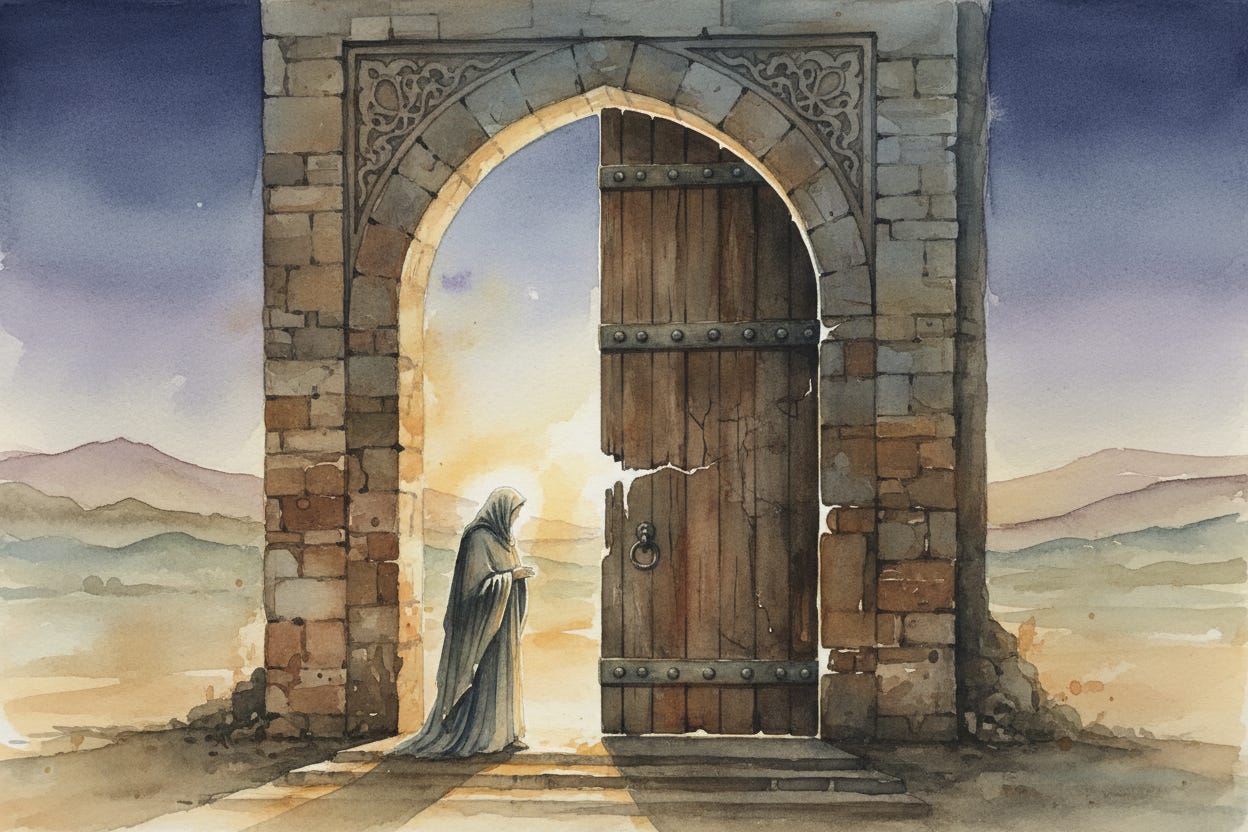
Tonight, we have travelled back eleven centuries.
We have stood at the threshold of history and asked: Why?
Why did the sun set?
Why did the door close?
We have seen that the Lesser Ghaybah was not a Divine abandonment.
It was a Divine Mercy.
Politically, it was a Shield
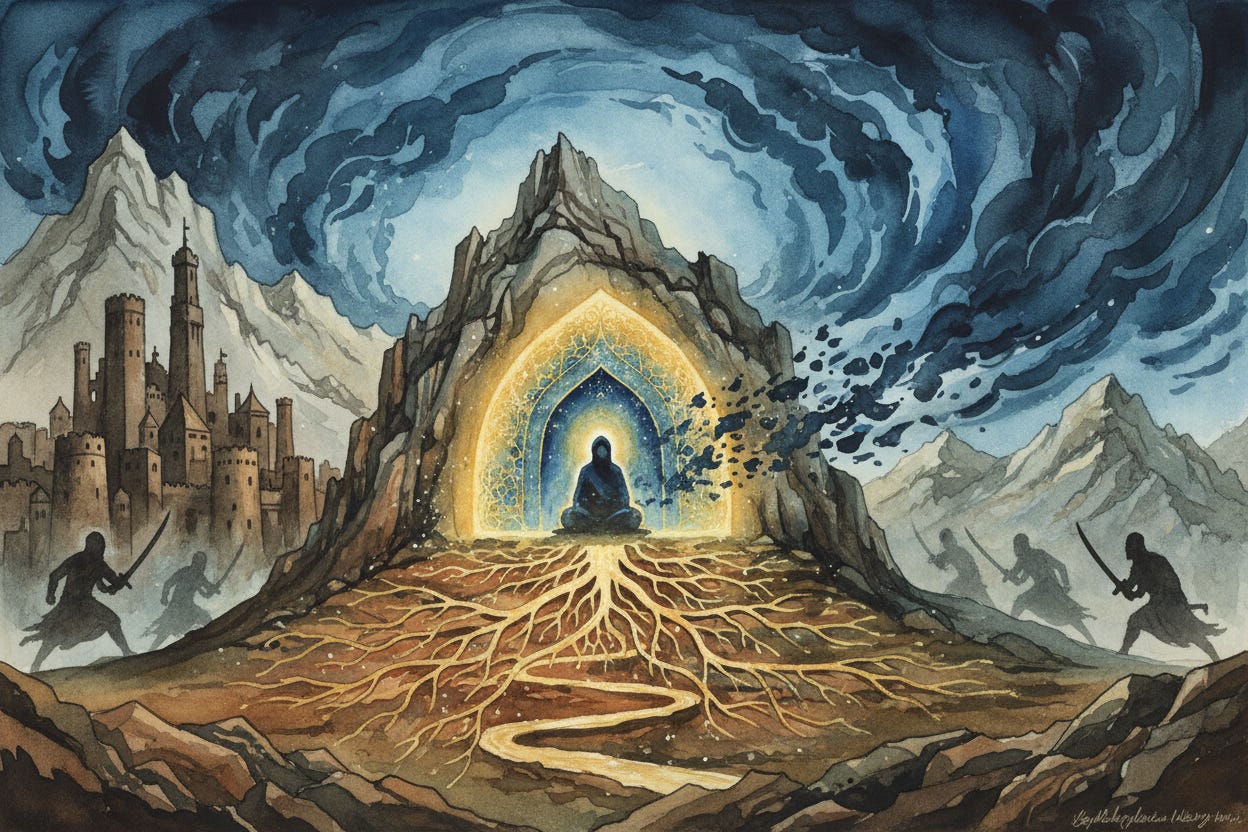
Just as the cave protected the Prophet from the Quraysh, the Occultation protected the Imam from the Abbasids.
It taught us that when the Arrogant Powers besiege the Truth, the Truth does not surrender — it goes underground.
It builds a resistance that no sword can cut, because it has no neck to strike.
Socially, it was a School
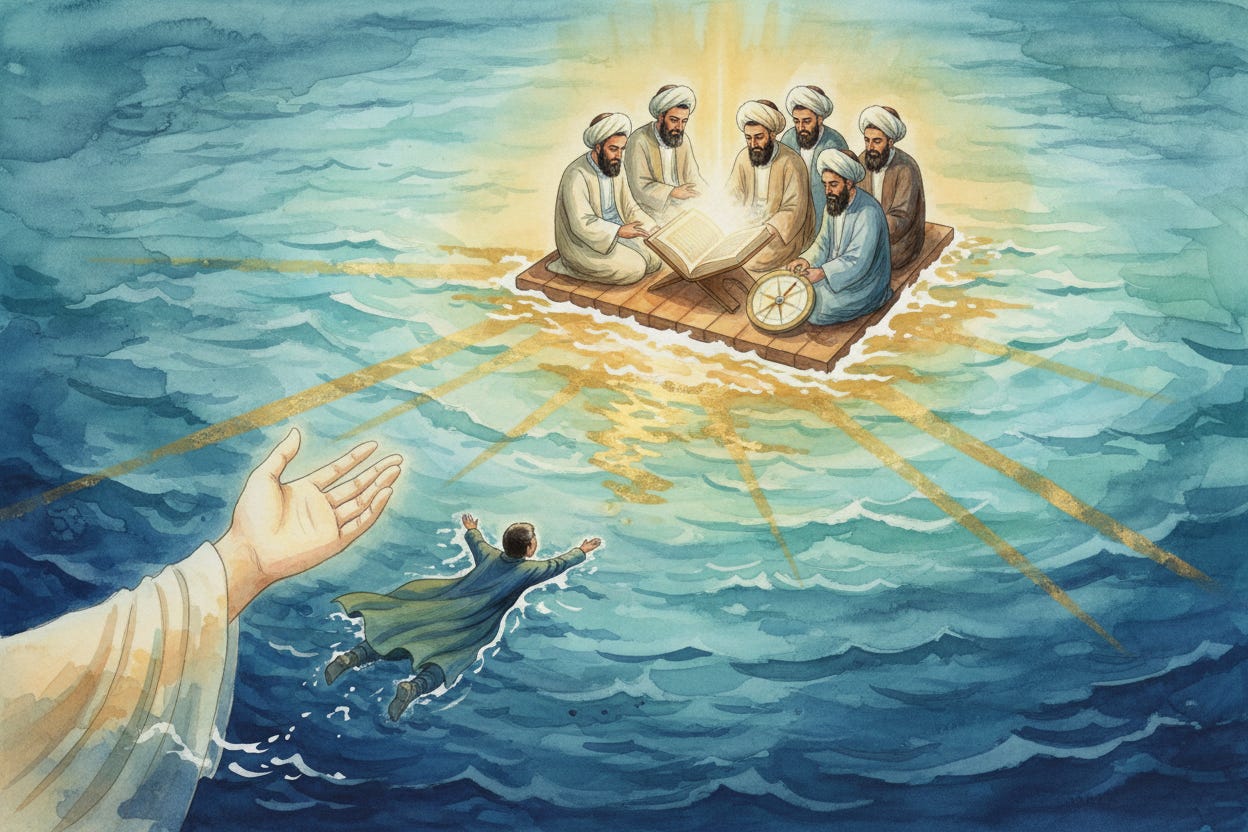
For sixty-nine years, the Imam weaned us.
He refused to let us remain children holding his hand.
He pushed us into open water, teaching us to swim using the life-raft of the Scholars and the compass of the Qur’an.
He built the system of Marjaiyyah — the very system that has kept us alive while empires have crumbled around us.
Ontologically, it is the Sun
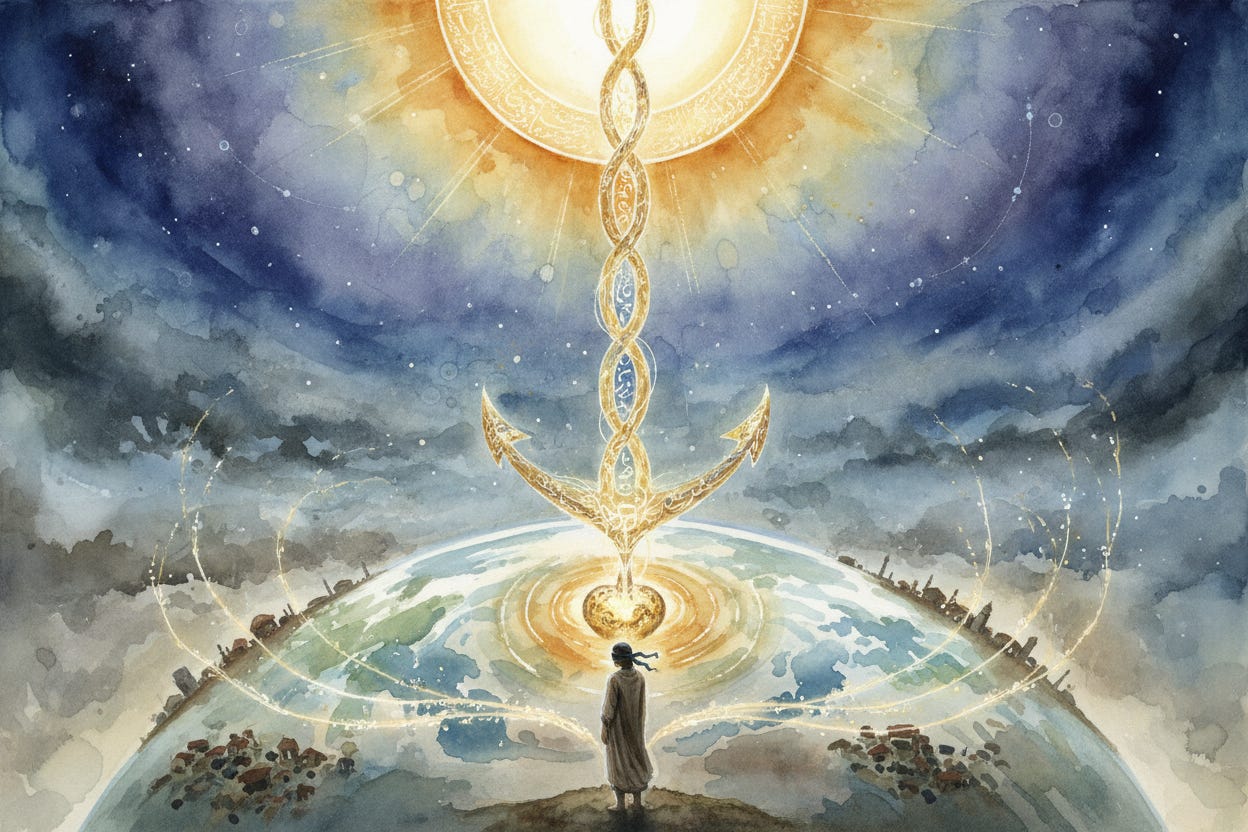
We learned from Allamah Tabatabai and the mystics that he is the anchor of the earth, the heartbeat of the universe.
The sun is not absent; the blind man simply cannot see it.
The clouds are not his doing — they are ours.
The Pivot: From Waiting to Seeing
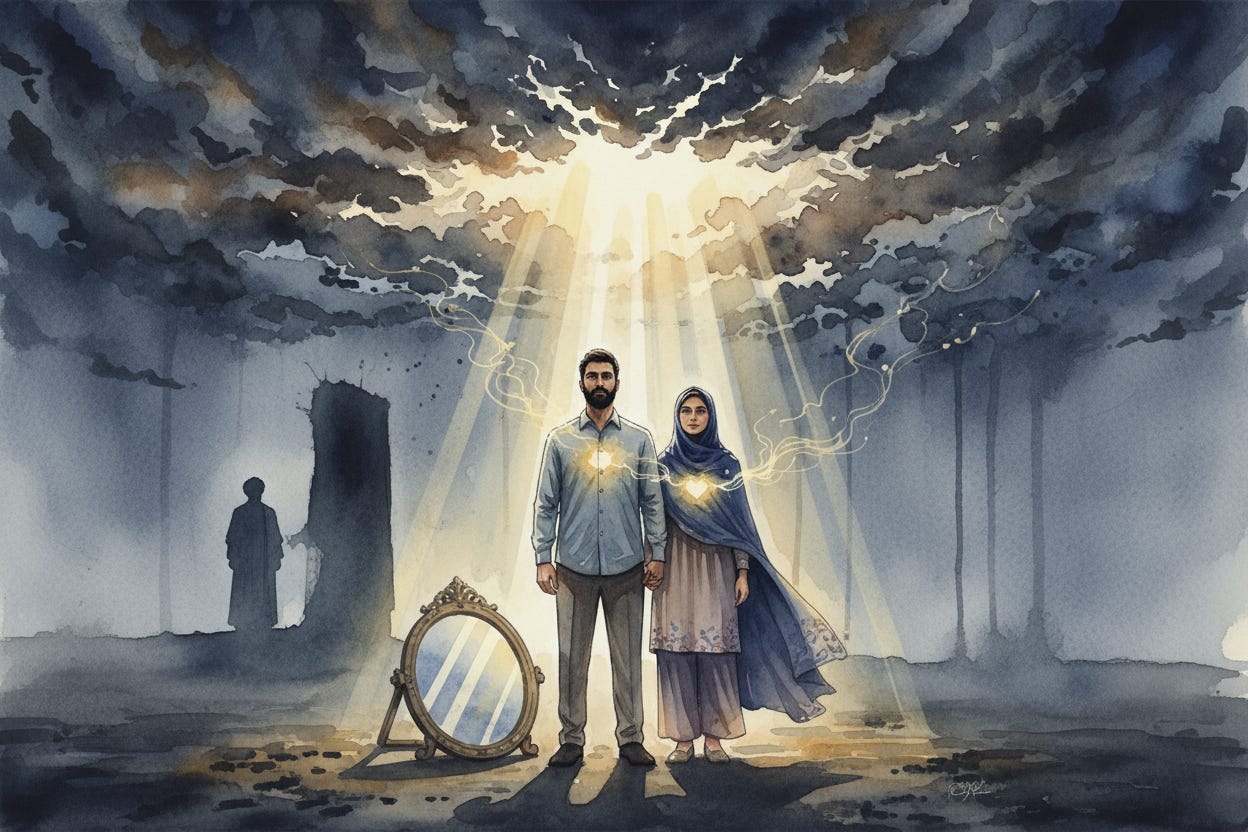
So the question tonight is not
“When will he appear?”
The question is
“When will we see?”
We are waiting for a revolution outside, but he is waiting for a revolution inside.
Every time we choose justice over greed, we thin the clouds.
Every time we choose unity over tribalism, we polish the mirror.
And every time we obey the righteous scholar who speaks Truth against the Tyrant, we prove that we have learned the lesson of the Lesser Ghaybah.
Next Session: The Four Gatekeepers
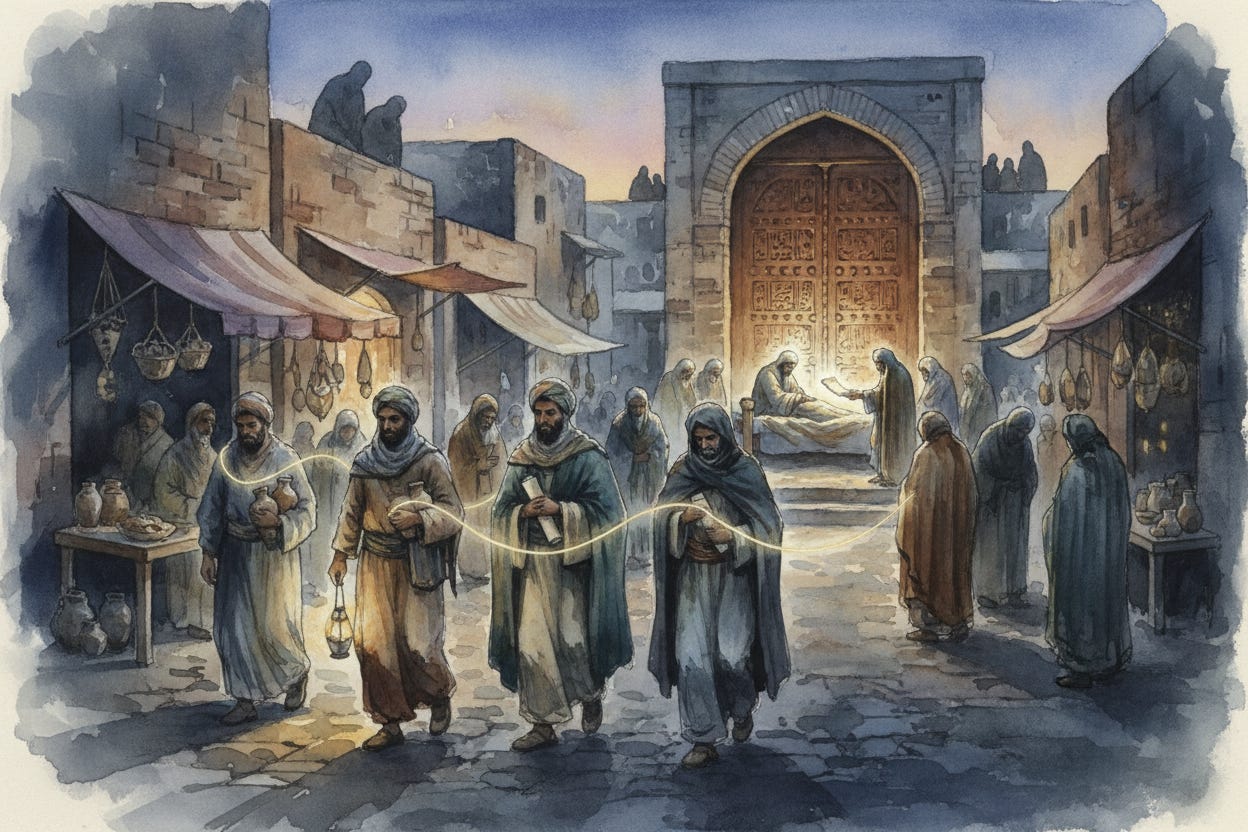
But how did this School actually function?
Who were the men entrusted with the secrets of the Heavens while the spies of Baghdad watched?
Who was the Oil Seller?
Who was the Diplomat?
Who was the last Gatekeeper?
Next week, God willing, we will walk through the streets of Abbasid Baghdad.
We will meet the Four Deputies, al-Nuwwab al-Arba’.
We will witness their courage, their strategy, and their absolute submission.
And we will stand at the deathbed of the fourth deputy, Ali ibn Muhammad al-Samarri, as the final letter arrives — the letter that closed the door of special deputyship forever and ushered in the Era of the Great Test.
A Supplication-Eulogy for the Awaiting One
The Loneliness of the Proof
In the Name of God, the Healer of broken hearts.
O God, send Your blessings upon Muhammad and the Family of Muhammad.
O God, we complain to You…
We complain of the loss of our Prophet, the absence of our Guardian, the abundance of our enemies, and the scarcity of our number.
O Lord, look at this Ummah.
For eleven hundred years, we have been wandering in the desert of the Greater Occultation.
We are like the tribe of Moses, but our wandering has lasted far longer than forty years.
We are like the orphans of Karbala, scattered in the wilderness.
And tonight, our hearts turn to the loneliest man in the universe.
We think of the Imam who lives among us, yet walks alone.
He sees our gatherings, but we do not see him.
He visits our markets, he walks upon our carpets, he weeps for our tragedies — but he has no home to call his own.
The narrations tell us that he is the Exiled, the Driven Away, the Solitary.
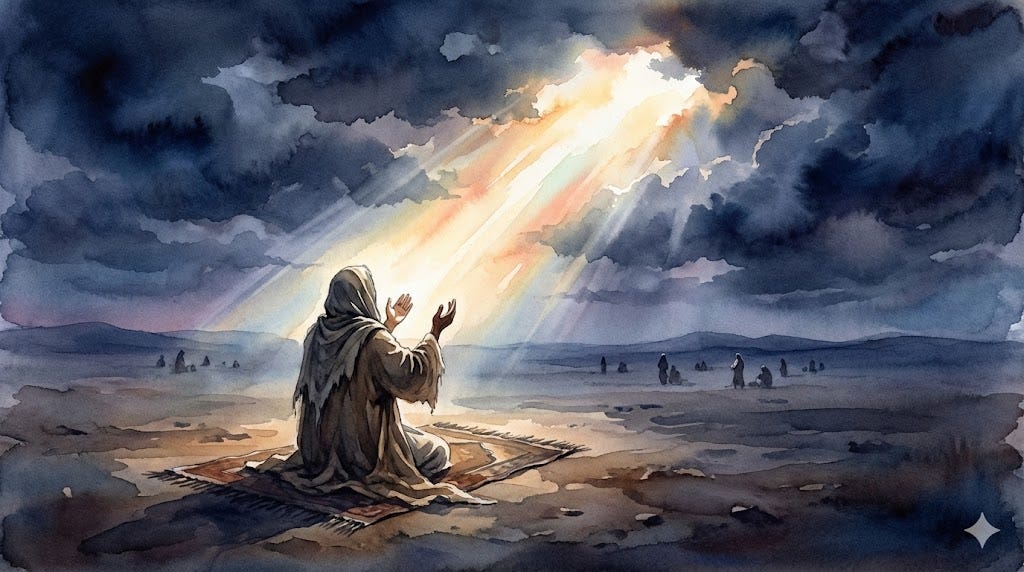
Perhaps tonight, somewhere in this vast world, he is sitting on a prayer mat, raising his hands for us — the very people who have forgotten him.
Perhaps he is remembering his grandfather, the Commander of the Faithful.
History tells us that Imam Ali was so lonely in Kufa that he would go into the desert at night.
He would lean into the well and whisper his secrets to the darkness, because there was no chest in Medina or Kufa vast enough to hold his pain.
O Ali… if only you had a helper…
And tonight, the son of Ali is calling out.
But he is not calling to a well. He is calling to us.
From behind the clouds of the Occultation, the cry of Karbala echoes:
“Is there any helper to help us?”
But on Ashura, the answer was arrows and spears.
O God, let our answer be different.
Let our answer be: Here I am.
Here I am, O Son of Fatimah. Here I am, O Hope of the Oppressed. Here I am, O Avenger of Karbala.
We are not ready, O Master. Our mirrors are dusty. Our hearts are clouded. But we are here. And we are trying.
So help us to clean the rust from our souls, so that one day — even if it is our last day — we may look up and see the Sun breaking through the clouds, and say:
“Peace be upon you, O Partner of the Qur’an. Peace be upon you, O Spring of Life.”
O God, send Your blessings upon Muhammad and the Family of Muhammad, and hasten the return of the one who will fill this earth with justice as it has been filled with tyranny.
Amen, O Lord Sustainer of the Universes
Amen O Most Merciful of the Merciful
And from Him alone is all ability and He has authority over all things