

In His Name, the Most High
We gather tonight to resume our journey along the Lantern of the Path, continuing our ascent toward the understanding of the Imam of our Time.
However, a gentle reminder is necessary before we begin.
This series is constructed like a fortress—each session is a stone resting upon the one laid before it. We are not merely listing historical dates; we are building a cumulative argument for the Mahdawi system. Therefore, to truly grasp the weight of tonight’s discussion on the Deputies, it is vital—perhaps even mandatory—to have engaged with the previous sessions on the Strategy of the Occultation.
Without that foundation, the history we discuss tonight may seem like a story; with it, it becomes a blueprint.
We strongly recommend that you view the previous sessions in order, so that the picture we are painting is complete in your hearts.
Last week, we stood at the threshold of history. We examined the Divine Strategy of the Occultation. We understood why the sun had to set behind the clouds.
But a strategy, no matter how divine, requires execution. It requires souls forged for burden—those capable of carrying the weight of the heavens without breaking.
Tonight, we move from the philosophy of the Occultation to the reality on the ground.
We enter the streets of Samarra in the year 260 AH. The atmosphere is suffocating. The house of the Imam is under siege. The spies of the Abbasids are watching every shadow. The community is teetering on the edge of collapse.
And in the centre of this storm stands one man. He is not a prince. He is not a general. To the outside world, he is merely a seller of cooking oil. But to the Heavens, he is the Trustworthy One—al-Thiqah.
Tonight, we examine the life and legacy of the First Deputy: Uthman ibn Sa’id al-Amri.
But before we open that chapter, let us first reorient ourselves with a brief recap of where we have been—so that we may understand where we are going.
Video of the Majlis (Sermon/Lecture)
This is the video presentation of this write-up as a Majlis (part of the Truth Promoters Weekly Wednesday Majlis Program)
Audio of the Majlis (Sermon/Lecture)
This is the audio presentation of this write-up as a Majlis (part of the Truth Promoters Weekly Wednesday Majlis Program)
Recap
The Ground We Have Covered
Before we open the dossier of the First Deputy, let us reorient our compass with a brief summary of our last session.
The Political Necessity — The Shield
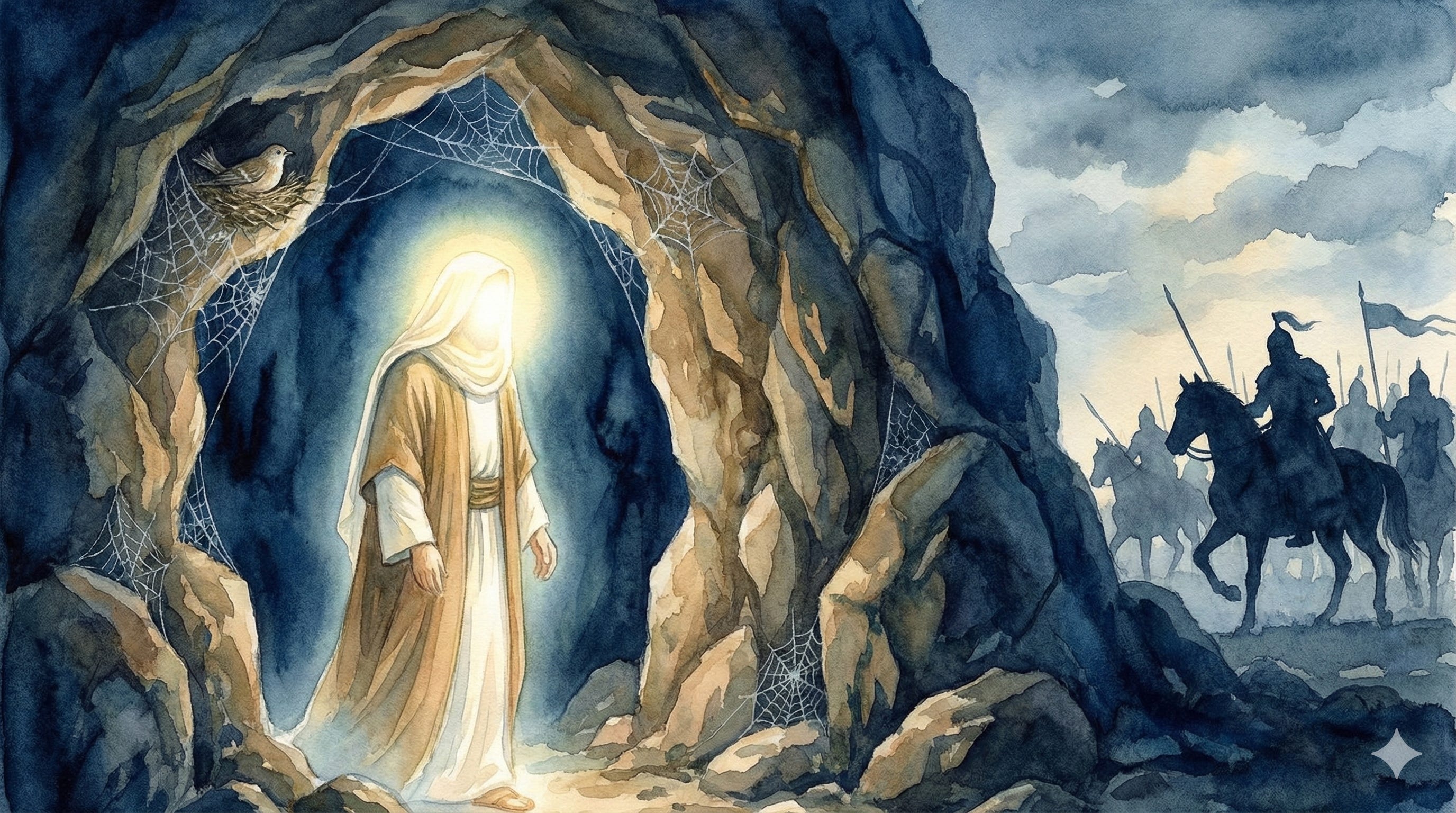
We established that the Lesser Ghaybah was a tactical withdrawal. Just as the Prophet took refuge in the Cave of Thawr, and just as Prophet Isa was raised to the Heavens, the Imam of our Time was withdrawn from the physical reach of the tyrants to preserve the Divine Covenant.
We learned that when the Arrogant Powers—the Mustakbirin—besiege the Truth, the Truth does not surrender; it goes underground.
The Societal Necessity — The School
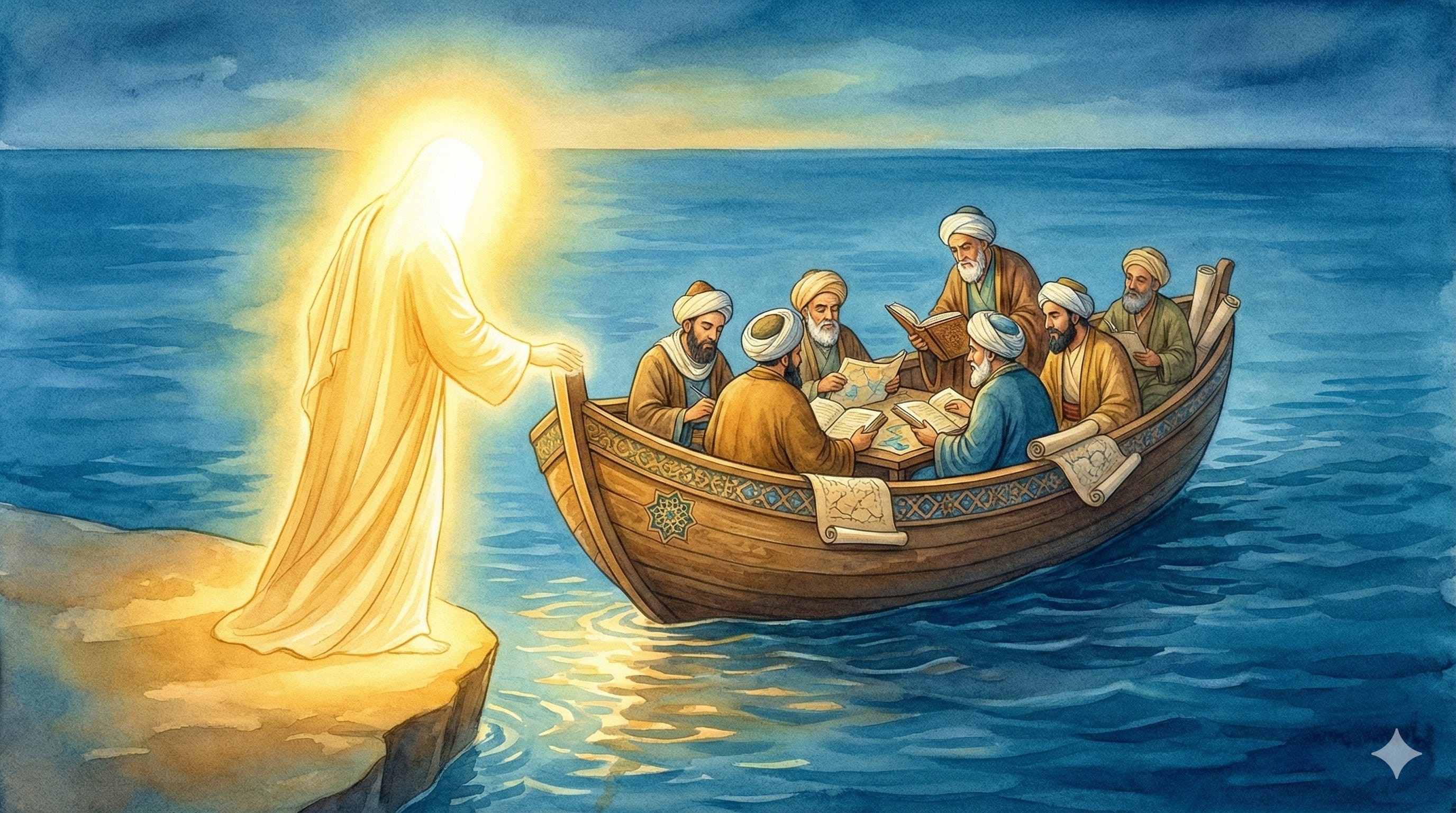
We learned that the sixty-nine-year period of the Lesser Ghaybah was a weaning process. The Imam refused to let us remain children dependent on his physical hand. He pushed us into the open water, teaching us to swim using the life-raft of the Scholars—the Fuqaha.
It was the birth of the system of Marjaiyyah.
The Ontological Necessity — The Sun
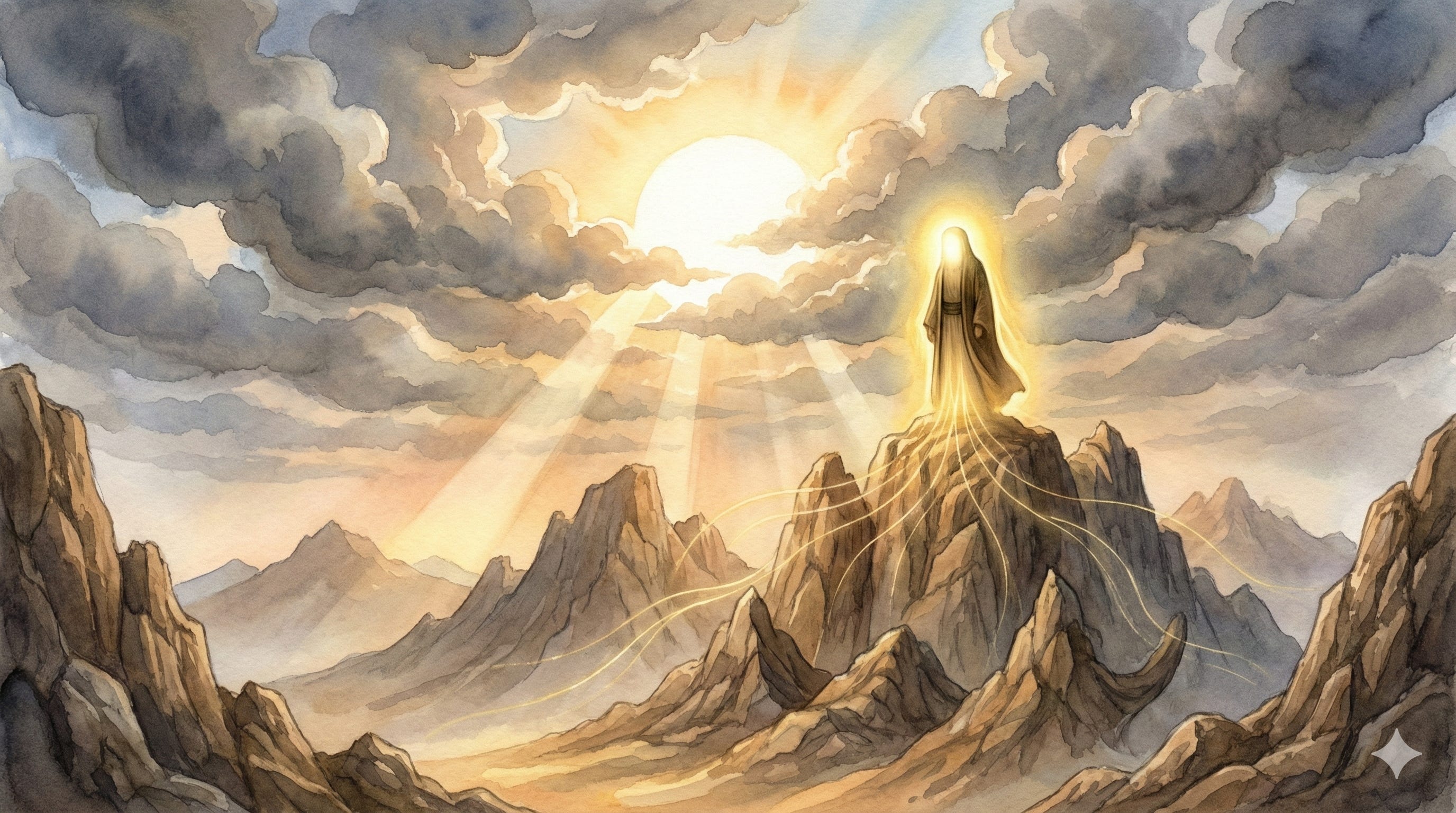
We concluded with the profound insight of Allamah Tabatabai: the Imam is the Anchor of the Earth. Even if unseen, he provides the spiritual gravity that keeps the universe from collapsing.
He is the Sun behind the clouds—present, radiant, and vital, even when our eyes are too clouded to see him.
The Transition
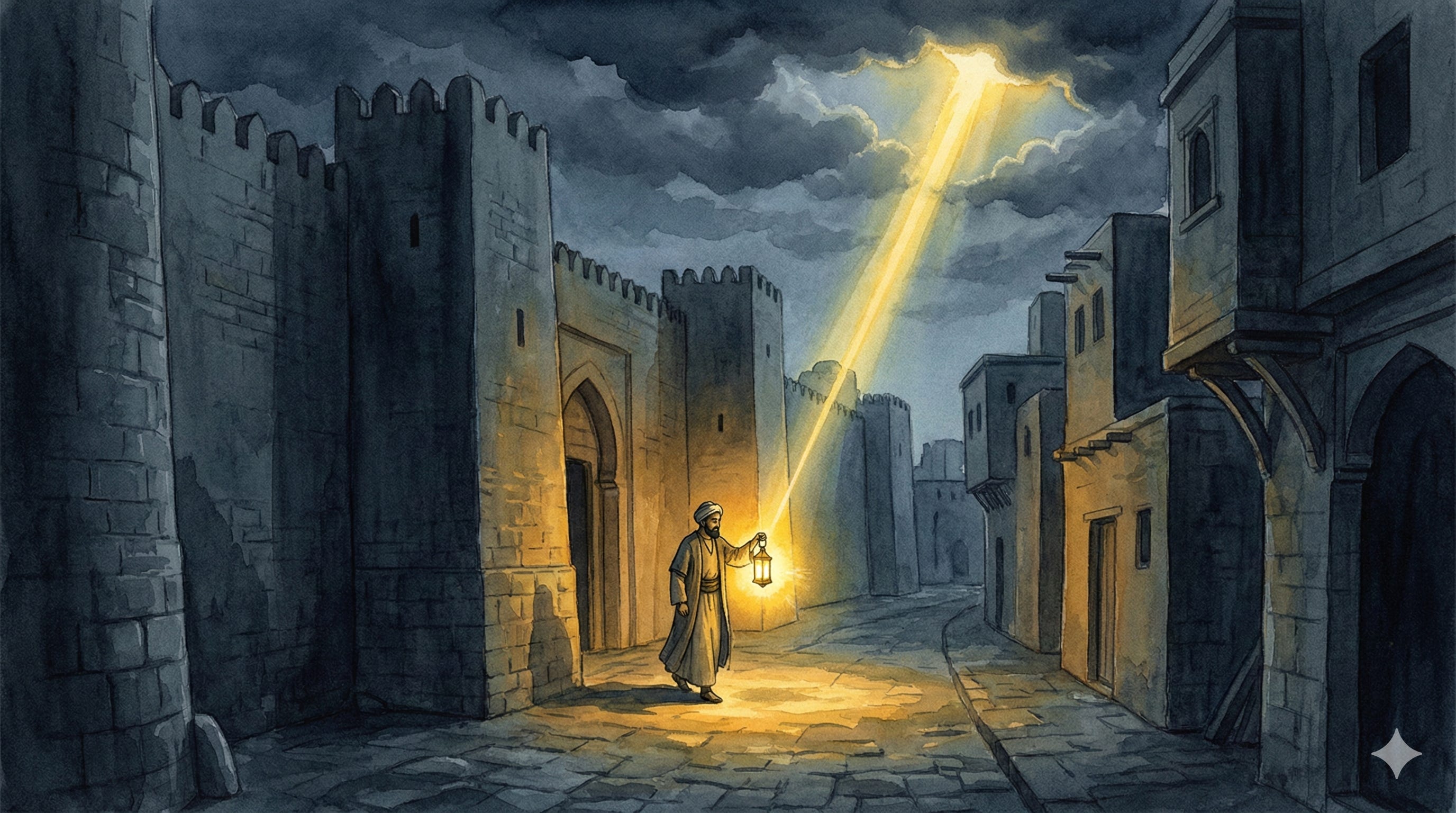
Now, we must ask: how did this Sun communicate with the earth?
Who carried the light through the darkness of the Abbasid tyranny?
We begin with the first of the four gatekeepers.
Mahdawiyyah (The Culminating Guidance) - The Four Deputies - Part 1 - The Trusted Confidant
The Credentials — The Fifty-Year Vetting
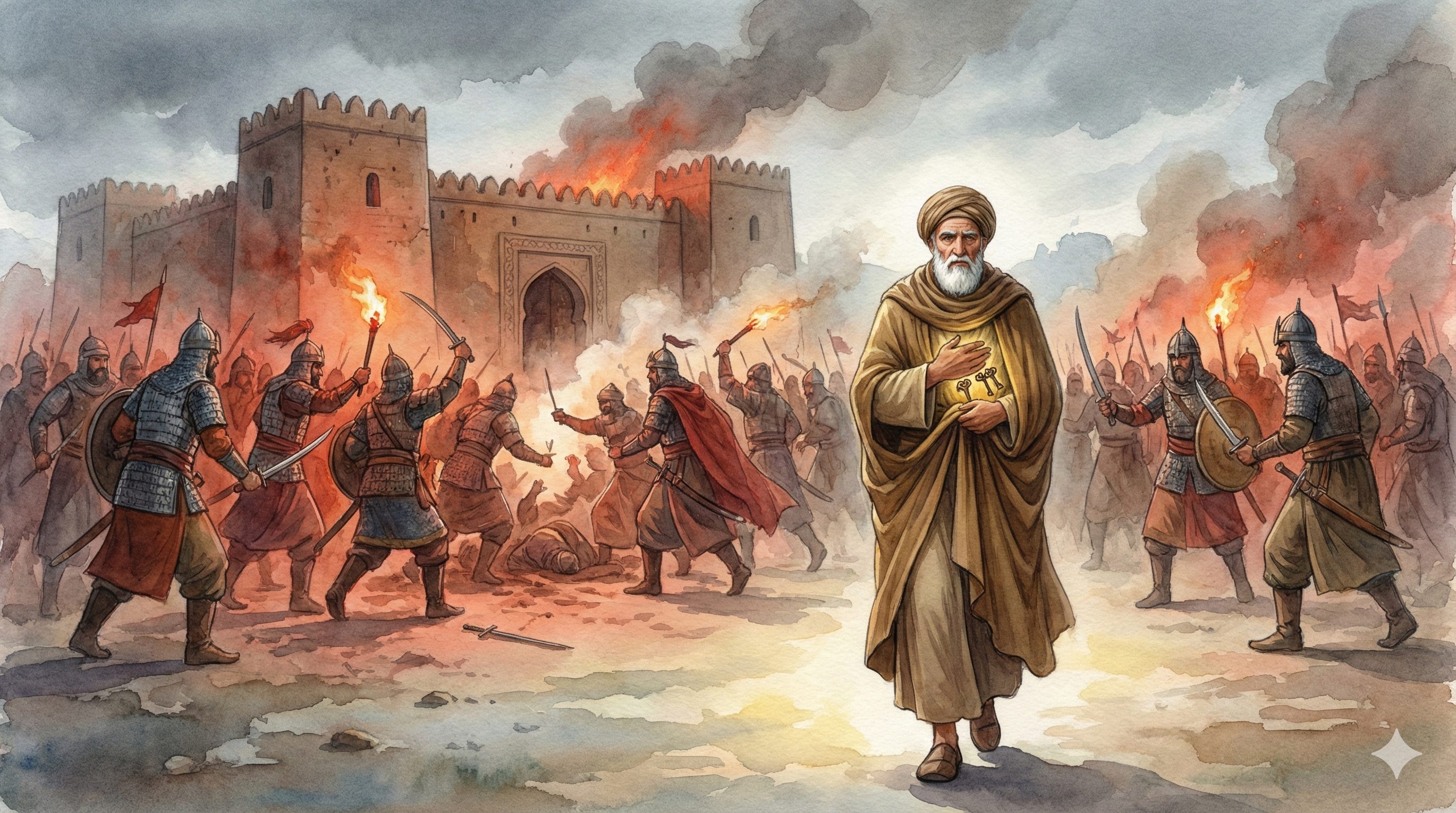
Imagine the morning of the 8th of Rabi’ al-Awwal, 260 AH.
Imam Hasan al-Askari has just been martyred.
The government is raiding his house, searching for a child they intend to kill.
The Shia community is in shock. Confusion is spreading like wildfire.
Who holds the keys?
Who knows the secret?
The Imam did not choose a random volunteer.
He chose a man who had been forged in the fire of service for half a century—a man the state had dismissed as a simple merchant, but whom the Heavens knew as something far greater.
The Living Archive
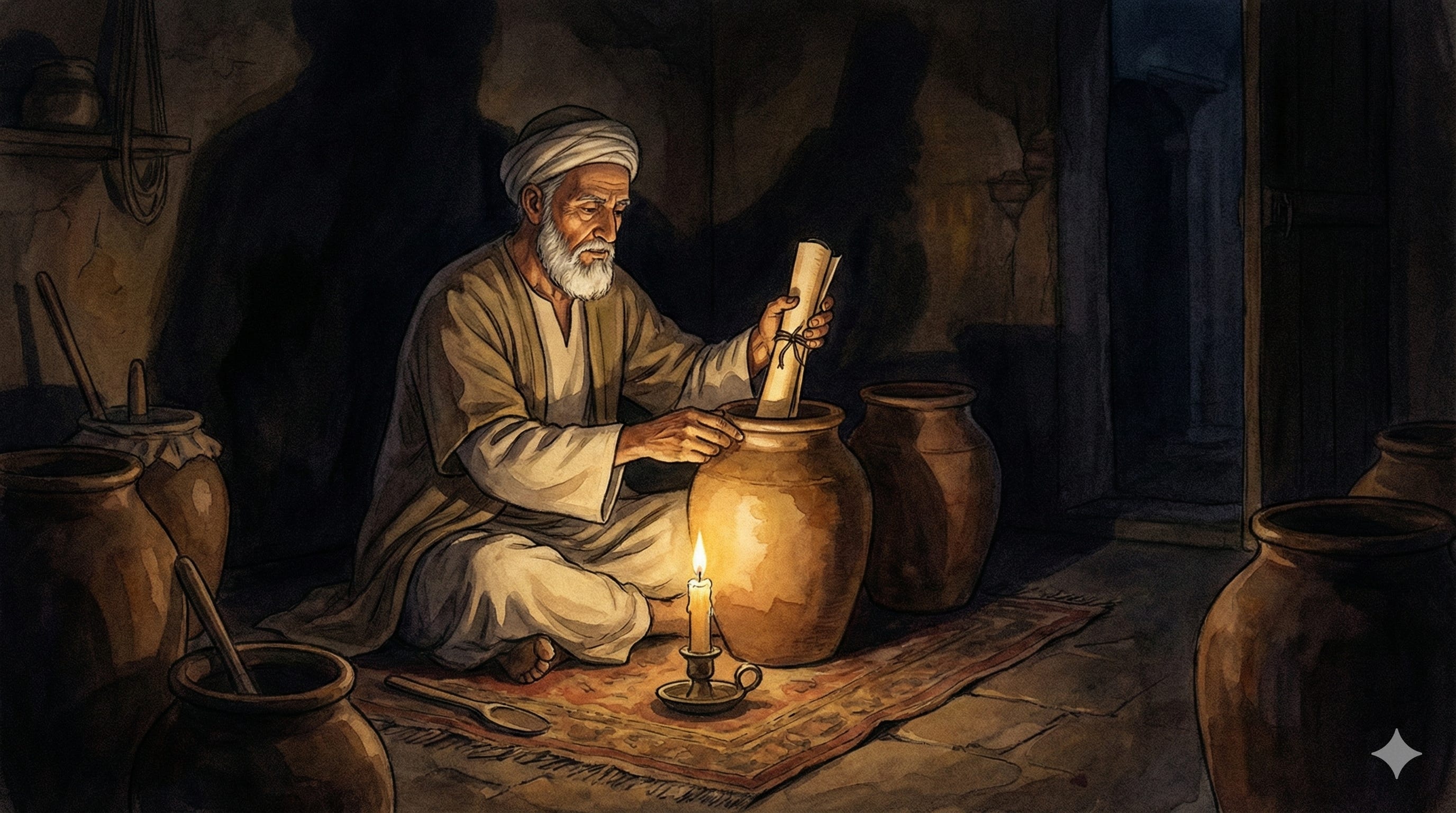
Uthman ibn Sa’id al-Amri began his service at the age of eleven under the Tenth Imam, Imam Ali al-Hadi.
He continued under the Eleventh, Imam Hasan al-Askari. And he would serve the Twelfth, al-Mahdi, as the first of the four gates.
For fifty years, he carried letters, collected the khums, relayed questions, and delivered answers—all while the eyes of the state watched every corner.
He learned to speak without being heard.
He learned to move without being noticed.
He became a man who could carry the weight of a secret that, if exposed, would mean his death and the death of everyone connected to him.
This was not glamorous work.
There were no crowds, no applause, no recognition.
Just decades of quiet, dangerous, unglamorous faithfulness.
The Badge of Trust
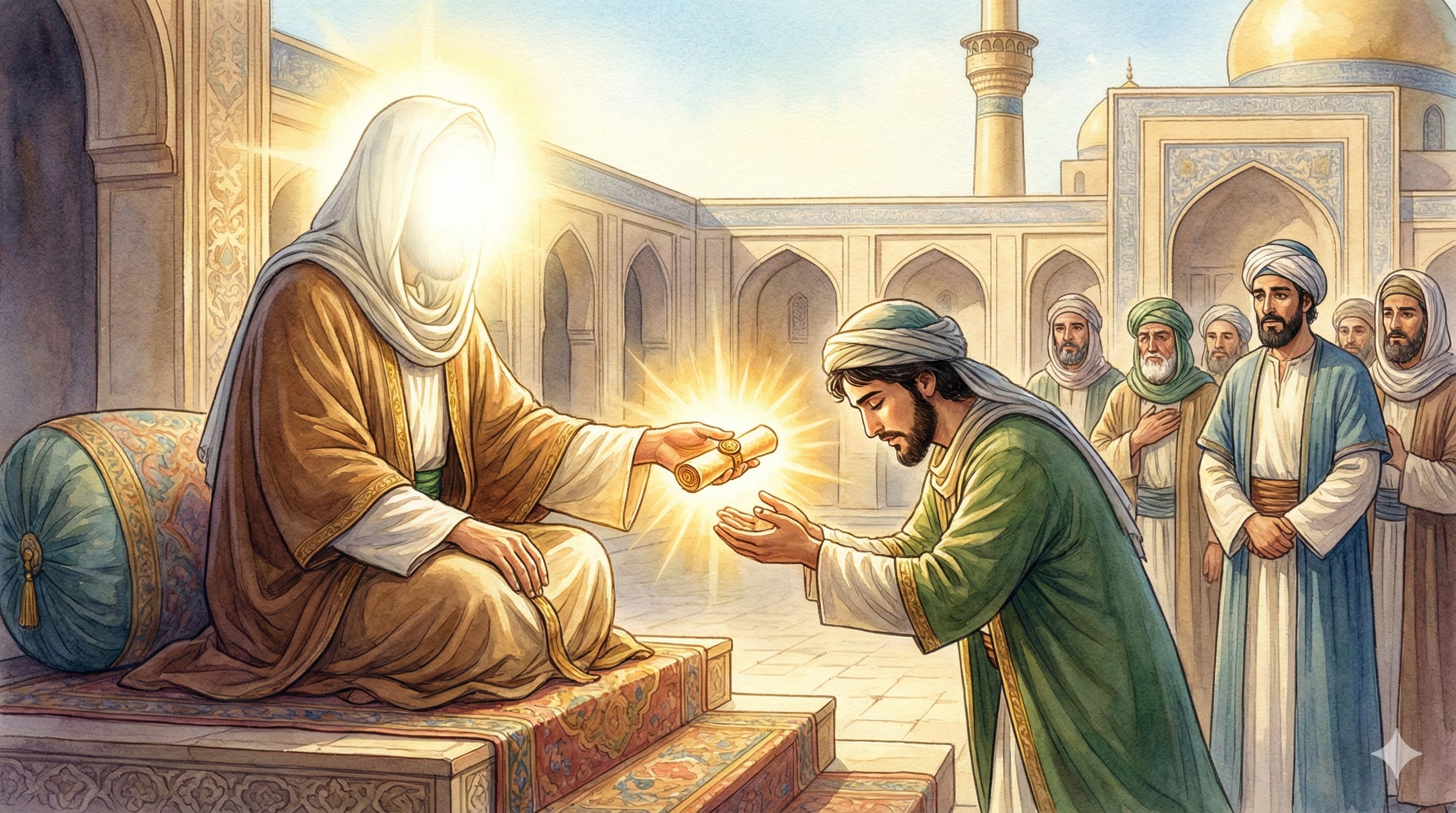
His qualification was not his wealth, nor his public oratory.
His qualification was a single word—given to him by Imam Ali al-Hadi years before the storm.
In a foundational narration found in Al-Kafi and Kitab al-Ghaybah of Shaykh al-Tusi, the Imam points to Uthman and declares to the community:
هَذَا أَبُو عَمْرٍو الثِّقَةُ الْأَمِينُ، مَا قَالَهُ لَكُمْ فَعَنِّي يَقُولُ، وَمَا أَدَّاهُ إِلَيْكُمْ فَعَنِّي يُؤَدِّيهِ
“This is Abu Amr—the Trustworthy, the Faithful. Whatever he says to you, he says on my behalf. And whatever he delivers to you, he delivers on my behalf.”
— Al-Kulayni, al-Kafi, Volume 1, Kitab al-Hujjah, "Chapter on the Excellence of Knowledge and the Authority of the Narrators."
— Shaykh al-Tusi, Kitab al-Ghaybah, Section on the Praiseworthy Deputies, report of Ahmad ibn Ishaq al-Qummi. (Also cited in al-Hilli, Zubdat al-Aqwal, Volume 1, Page 469)
This title—al-Thiqah—is the highest medal of honour in the Shia struggle. It is not given lightly. It is earned through years of proven discretion, loyalty, and sacrifice.
The Science of Rijal
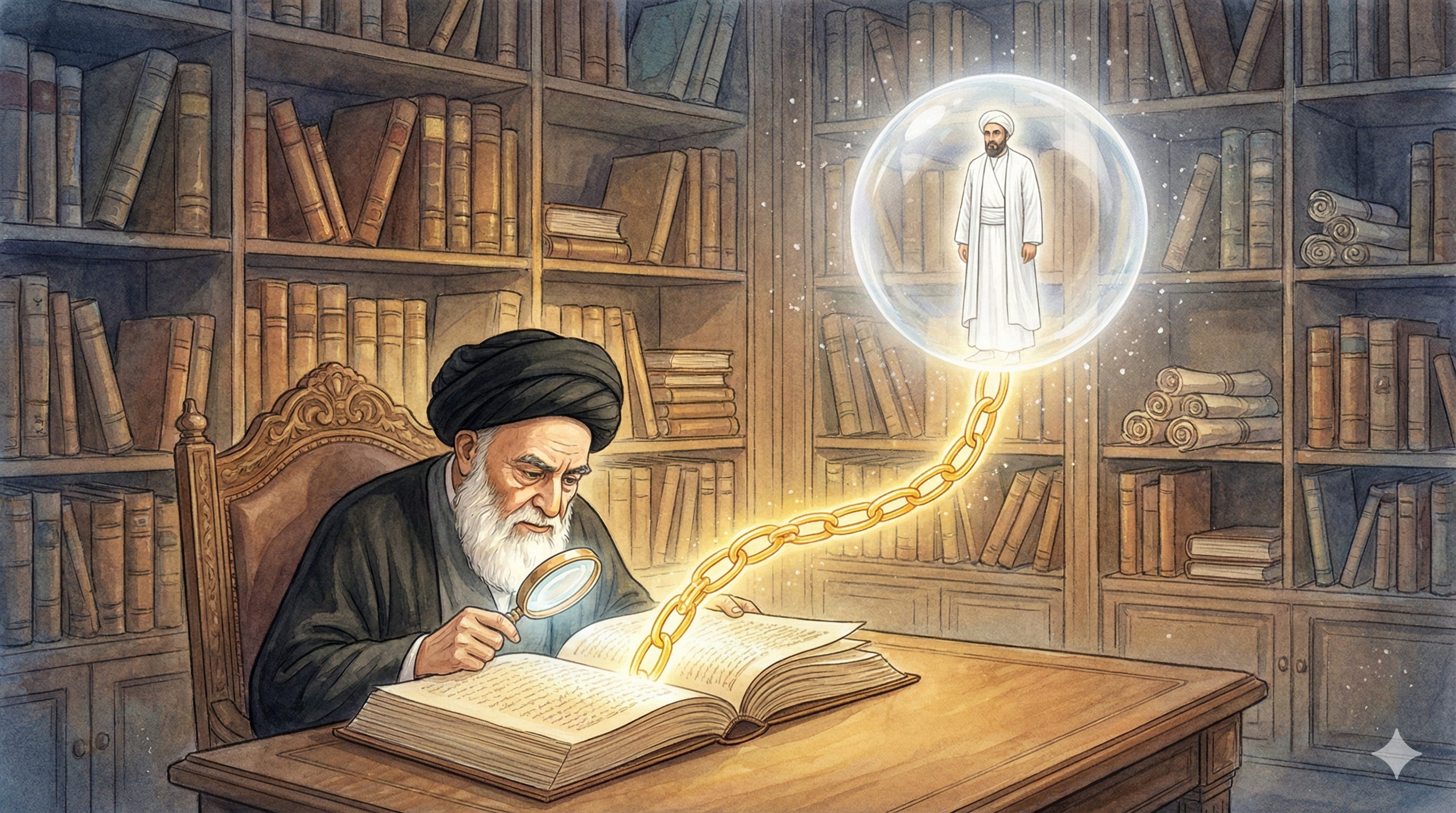
But how do we know, fourteen centuries later, that this narration is authentic?
How do we verify the reliability of Uthman ibn Sa’id himself?
This is where the science of Rijal becomes essential.
Rijal—literally “men”—is the Islamic discipline dedicated to evaluating the individuals who transmitted hadith.
Every narration that reaches us has passed through a chain of narrators, and the strength of that chain determines the strength of the hadith.
The scholars of Rijal meticulously examined the biography, character, memory, and trustworthiness of each transmitter.
Were they honest?
Were they precise?
Did they have direct access to the Imam, or were they relying on intermediaries?
This science is the gatekeeper of our tradition.
Without it, we would have no way to distinguish authentic teachings from fabrications.
The undisputed master of this science in the modern era was Ayatullah Sayyed Abu al-Qasim al-Khui.
His magnum opus, Mu’jam Rijal al-Hadith, is a monumental encyclopedia spanning over twenty volumes, analysing thousands of narrators across the centuries.
It remains the definitive reference for hadith authentication in Shia scholarship.
When Ayatullah al-Khui examined the historical record concerning Uthman ibn Sa’id, he assigned him the highest grade of reliability, calling him Jalil al-Qadr—Majestic in Status:
فَالرِّوَايَاتُ فِي جَلَالَتِهِ وَعَظَمَةِ شَأْنِهِ وَكَوْنِهِ ثِقَةً، وَكِيلَ أَبِي مُحَمَّدٍ عَلَيْهِ السَّلَامُ، وَأَنَّهُ لَا يَقُولُ وَلَا يُؤَدِّي إِلَّا عَنْهُمَا، مُتَوَاتِرَةٌ، فَلَا غُبَارَ عَلَى وَجْهِهِ.
“The narrations regarding his majesty, the greatness of his status, his being Trustworthy, and his being the Agent of Abu Muhammad [Imam al-Askari]—and that he does not speak nor deliver except on behalf of the two of them—are Mutawatir. Therefore, there is no dust upon his face.”
— Ayatullah al-Khui, Mu’jam Rijal al-Hadith, Vol. 11, Entry 7678
No dust upon his face.
Fifty years of service, and not a single stain on his record.
Lesson for the Present: The Plague of Microwave Leadership
What does this teach us today?
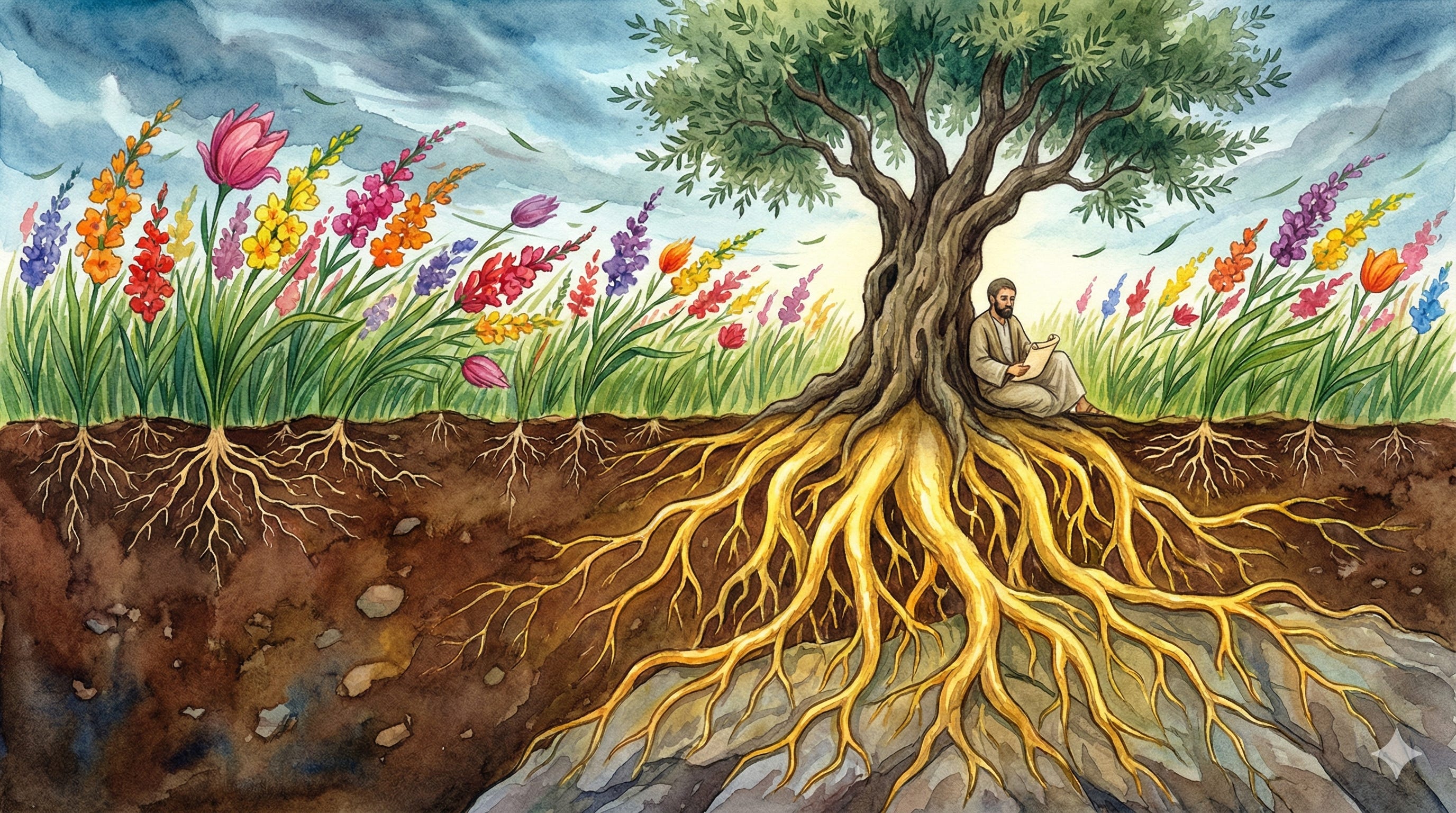
We live in the age of the “Influencer.”
In our digital world, a person can gain a following of thousands overnight—simply by having a loud voice, a good camera, or a controversial opinion.
We confuse visibility with authority.
We mistake confidence for competence.
But the school of the Ahl al-Bayt teaches us that leadership is a slow burn.
Uthman ibn Sa’id did not become the Gateway to the Imam because he was famous.
He became it because he was consistent.
Real leadership is not built on viral clips; it is built on decades of tedious, unglamorous faithfulness.
Call to Clarity: Who Do We Trust?
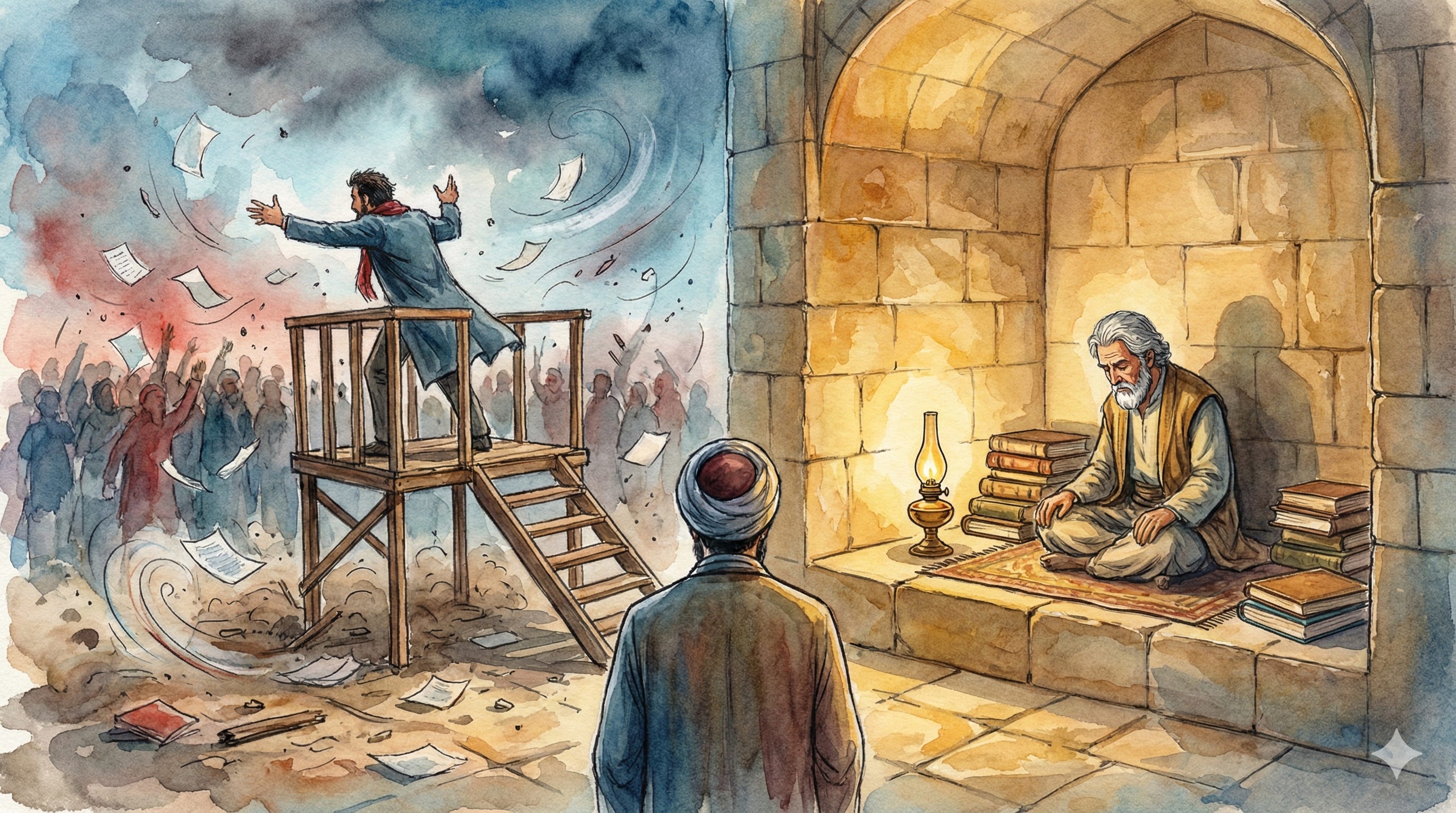
We must ask ourselves: who do we trust with our religion today?
Do we follow the “scholar” who shouts the loudest on social media—who attacks others to gain views and builds his platform on controversy?
Or do we follow the quiet, grey-haired jurists who have spent fifty years studying in the corners of Najaf and Qom, far from the cameras?
Are we impressed by charisma, or are we looking for character?
Uthman ibn Sa’id teaches us:
Do not look at the noise. Look at the track record.
The Method — The Oil Seller
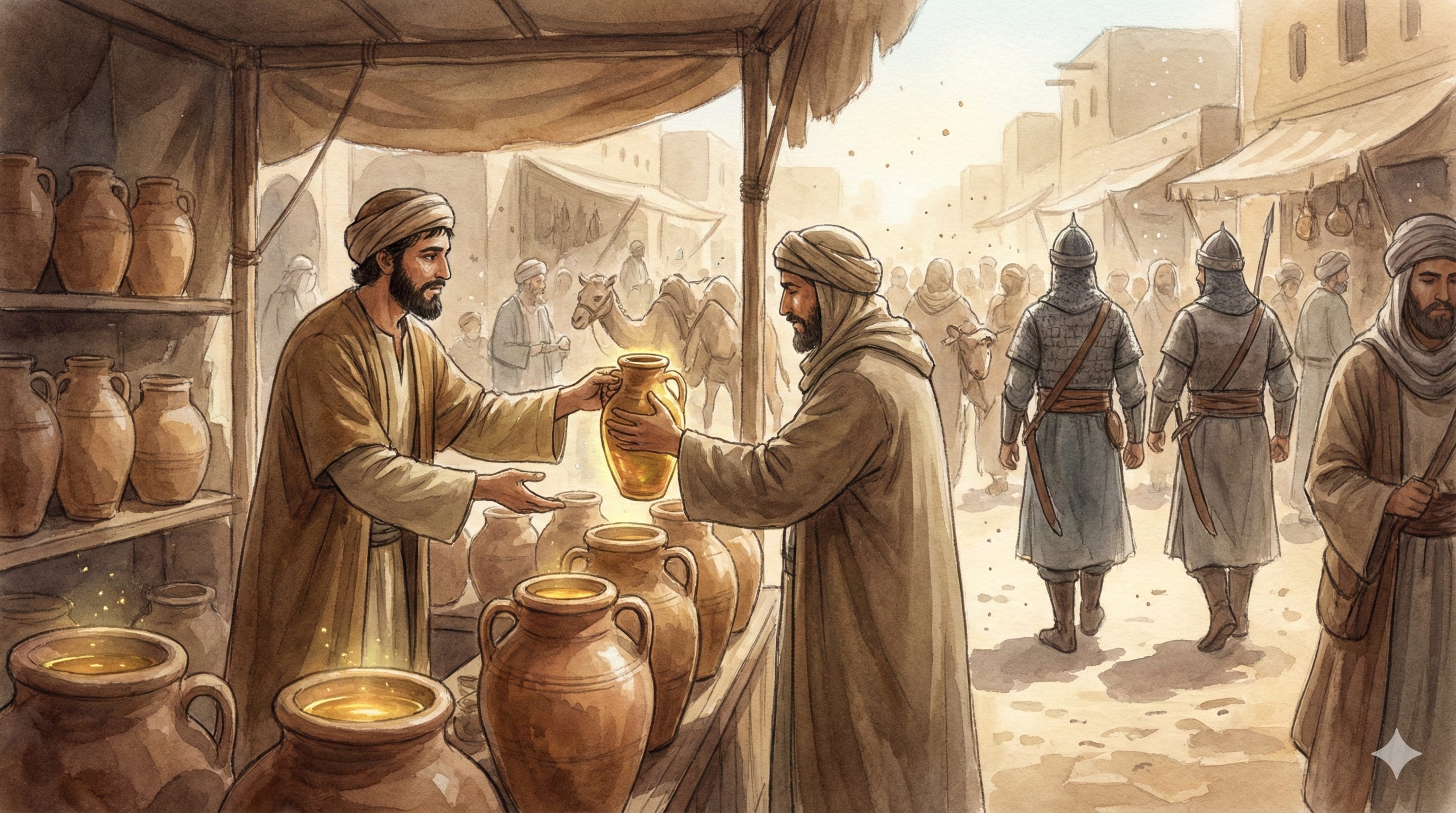
We have established who Uthman ibn Sa’id was—a man vetted by three Imams over half a century. But now we must ask: how did he operate?
How did the First Deputy function under the nose of the most sophisticated intelligence apparatus of his age?
How did he move money, letters, and secrets through a city crawling with Abbasid spies?
He did not wear a uniform.
He did not wave a flag.
He wore the clothes of a merchant.
The Tradecraft of Resistance
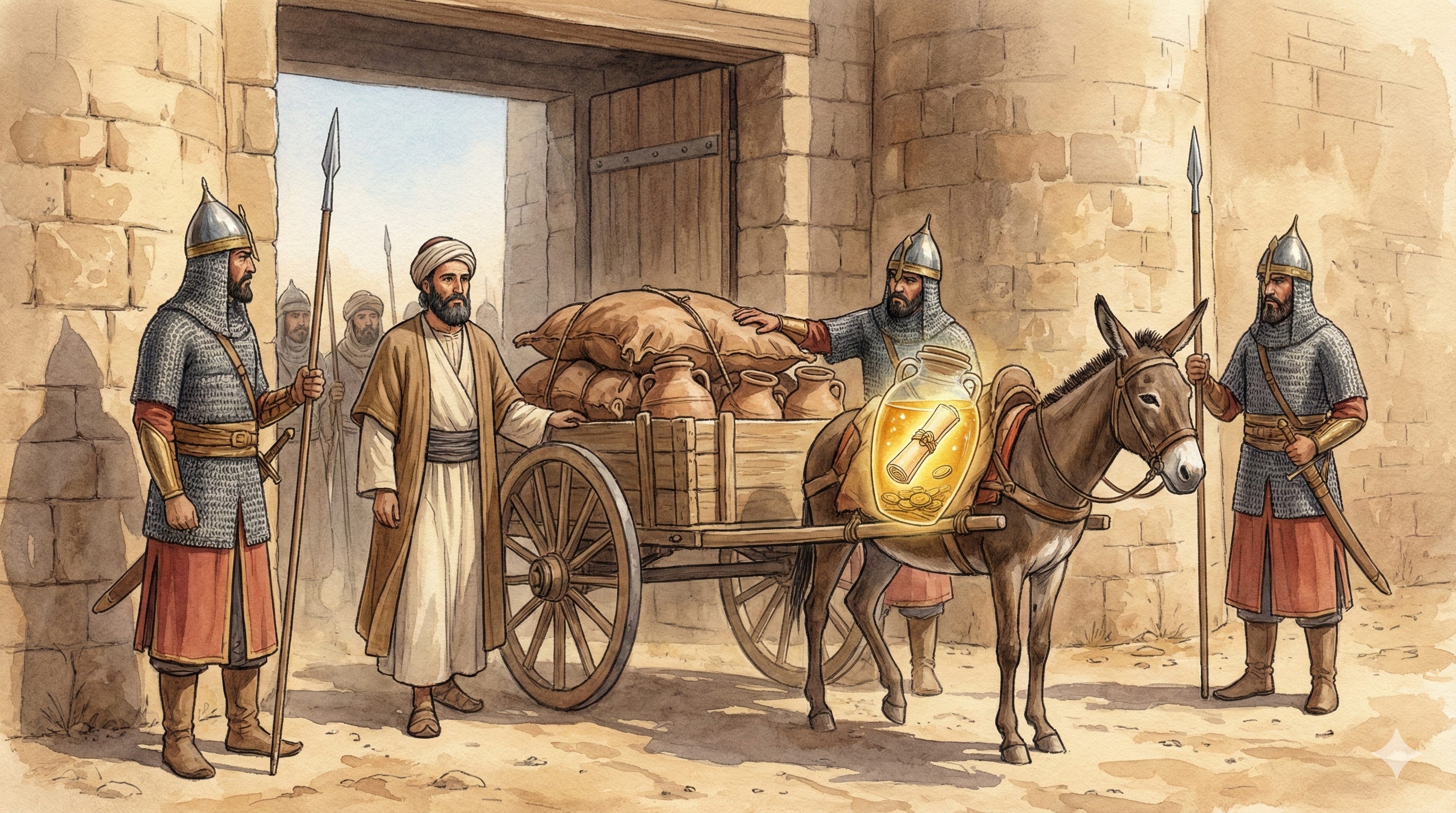
Uthman ibn Sa’id was known by the title al-Samman—the Oil Seller.
He established a legitimate business trading in cooking fat and oil.
To the guards at the checkpoints, he was just another grocer hauling his heavy cargo through the streets of Samarra.
But inside those oil canisters was something far more precious than fat.
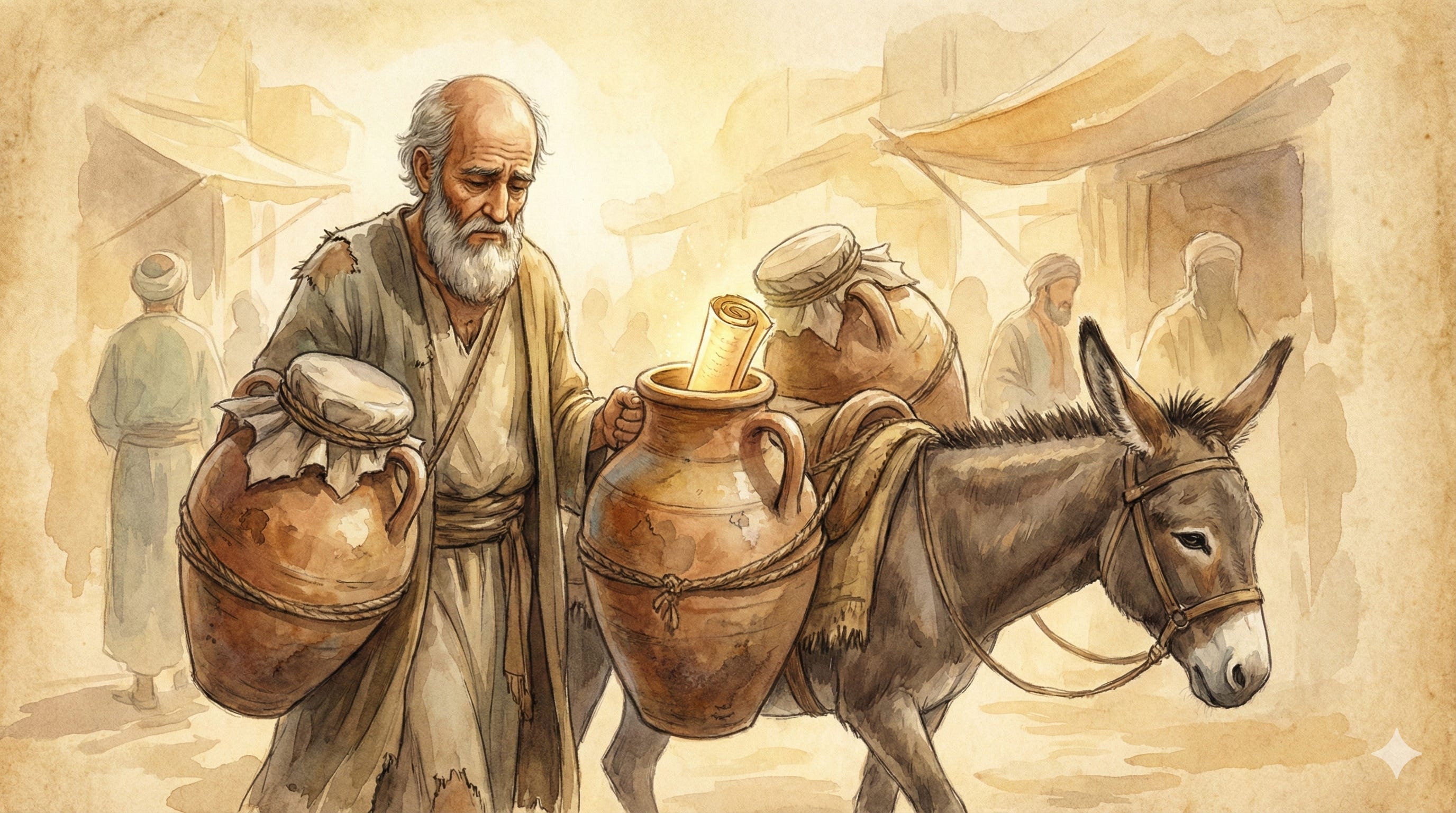
When the Shia brought their religious dues—the khums—or secret letters intended for the Imam, Uthman would hide them inside the skins of clarified butter and oil canisters.
He would then transport these canisters through the military checkpoints of Samarra, right past the guards who were hunting for the Imam and anyone connected to him.
Shaykh al-Tusi records this tradecraft in his Kitab al-Ghaybah:
وَكَانَ يَتَّجِرُ بِالسَّمْنِ تَغْطِيَةً عَلَى الْأَمْرِ، وَكَانَ الشِّيعَةُ إِذَا حَمَلُوا إِلَيْهِ الْمَالَ جَعَلَهُ فِي زِقَاقِ السَّمْنِ وَزِقَاقِ الزَّيْتِ
“He used to trade in cooking fat as a cover for the Matter. When the Shia brought wealth to him, he would place it inside the skins of cooking fat and oil canisters.”
— Al-Tusi, Kitab al-Ghaybah, Section on the Praiseworthy Deputies
This was not mere commerce.
This was resistance disguised as routine.
The Secret Organisation

Imam Khamenei, in his seminal analysis Insan-e 250 Saleh (The 250-Year Old Person) — which formed the backbone of our study on Imamah, and continues to guide us through these important lessons of Mahdawiyyah — argues that we must not reduce the Wikalah—the Deputyship Network—to a simple religious charity.
It was, in his words, a political resistance network operating under the nose of the Caliphate.
He writes:
«زندگی امامان (ع) در دوران ۲۵۰ سال، یک حرکت مستمر و سیاسی بود... این تشکیلات پنهانی شیعه، که توسط امامان هدایت میشد، در زمان غیبت صغری به اوج پیچیدگی خود رسید. نواب اربعه، ستونهای این خیمه بودند که با تقیه و هوشمندی، شبکه را حفظ کردند.»
“The lives of the Imams over the 250-year period were a continuous political movement... This secret organisation of the Shia, guided by the Imams, reached the peak of its complexity during the Lesser Occultation. The Four Deputies were the pillars of this tent, who preserved the network through Taqiyyah and intelligence.”
— Imam Khamenei, Insan-e 250 Saleh (The 250 Year Old Person), Chapter 14: The Era of Occultation
The Four Deputies were not simply pious men who answered theological questions.
They were the commanders of an underground movement—men who understood that protecting the Imam required not just faith, but strategy.
Lesson for the Present: Humility and Security
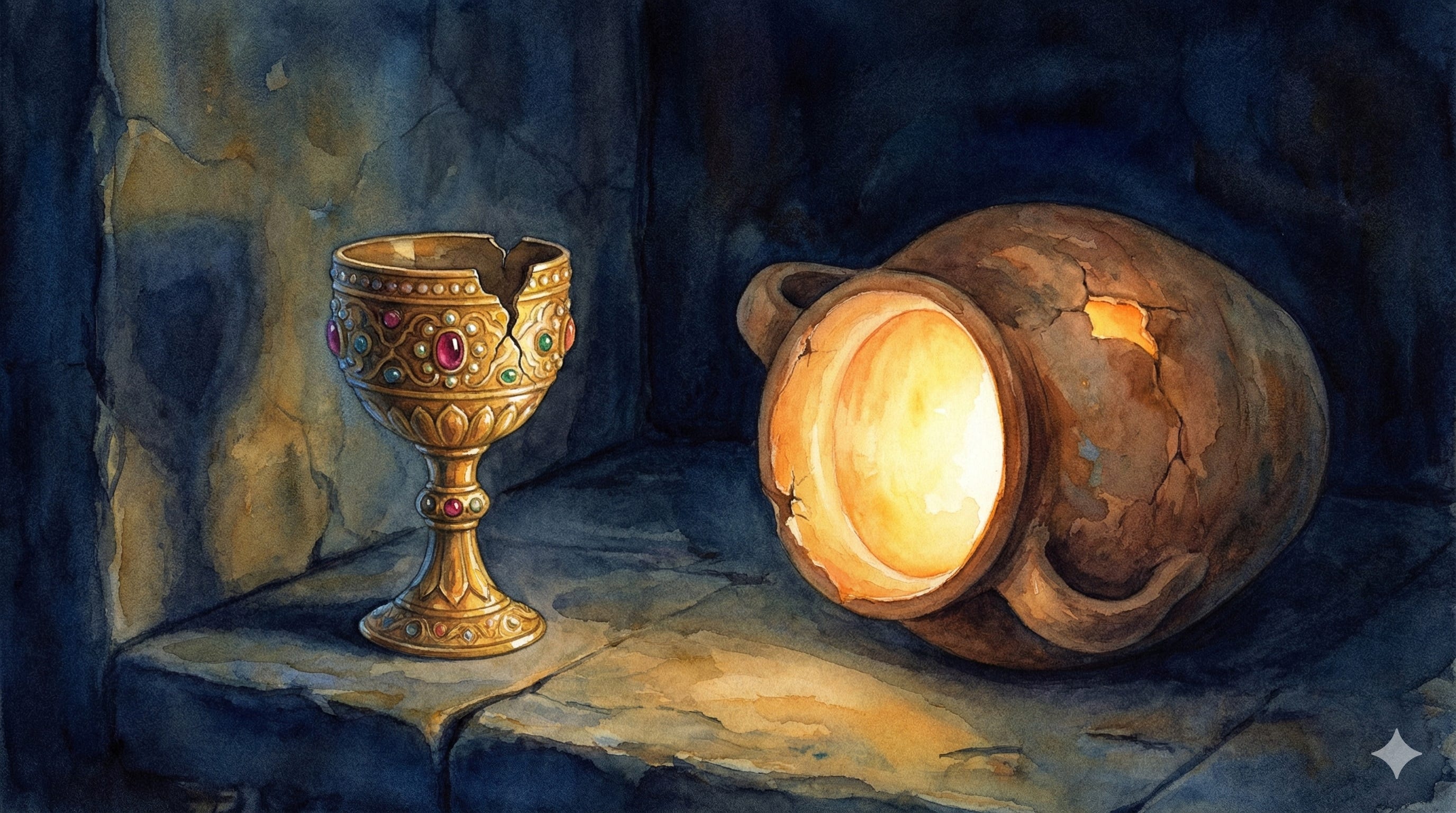
There are two profound lessons embedded in the story of the Oil Seller.
First: Humility
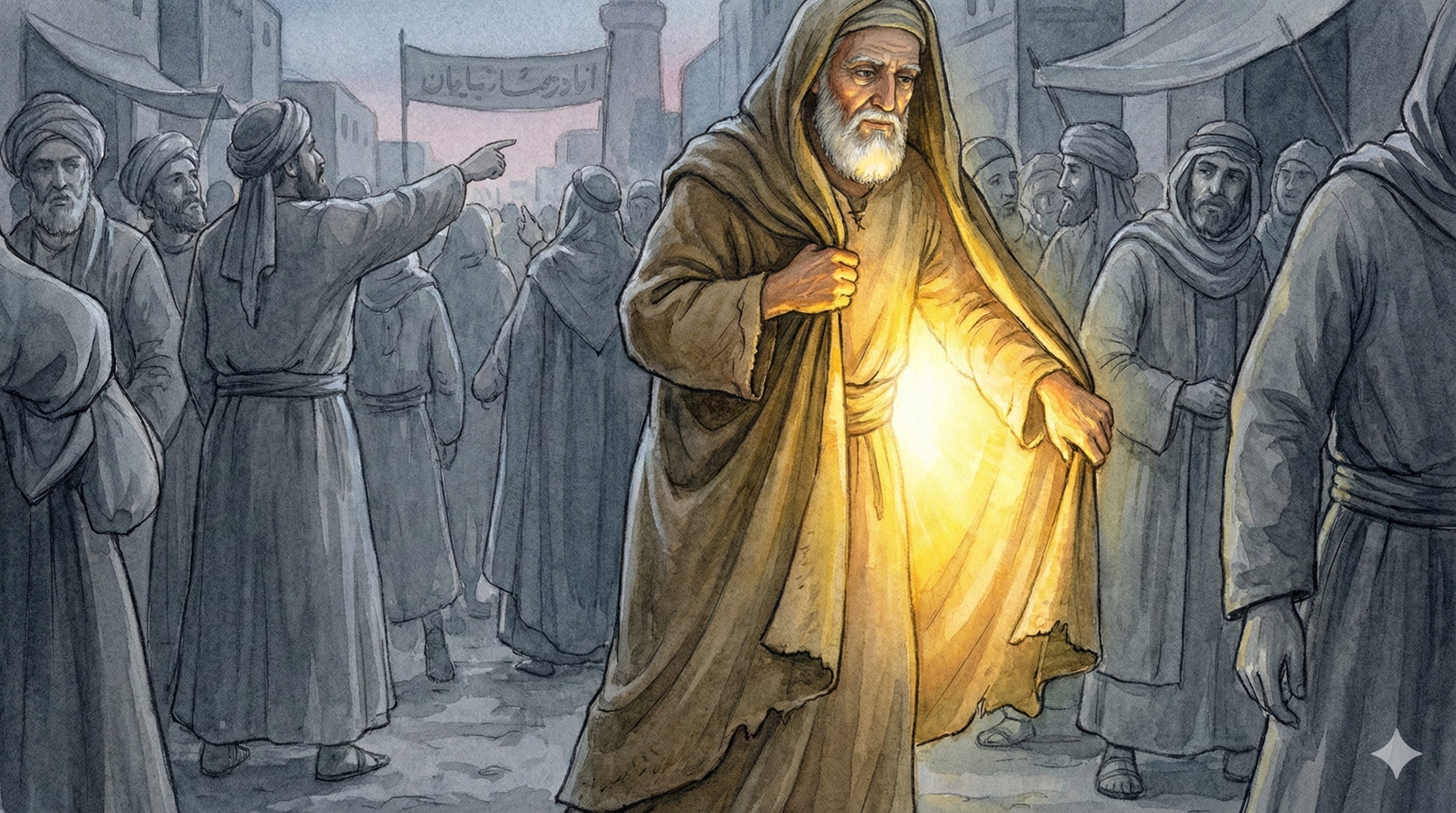
Uthman ibn Sa’id was the representative of God’s Proof on Earth—and yet he was content to be known as a grocer.
He did not demand a title.
He did not seek a platform.
He understood a principle we have largely forgotten: the Mission matters more than the Image.
In an age where we crave recognition, where we want our names on buildings and our faces on banners, Uthman reminds us that the greatest servants of the Imam are often invisible.
Second: Operational Security
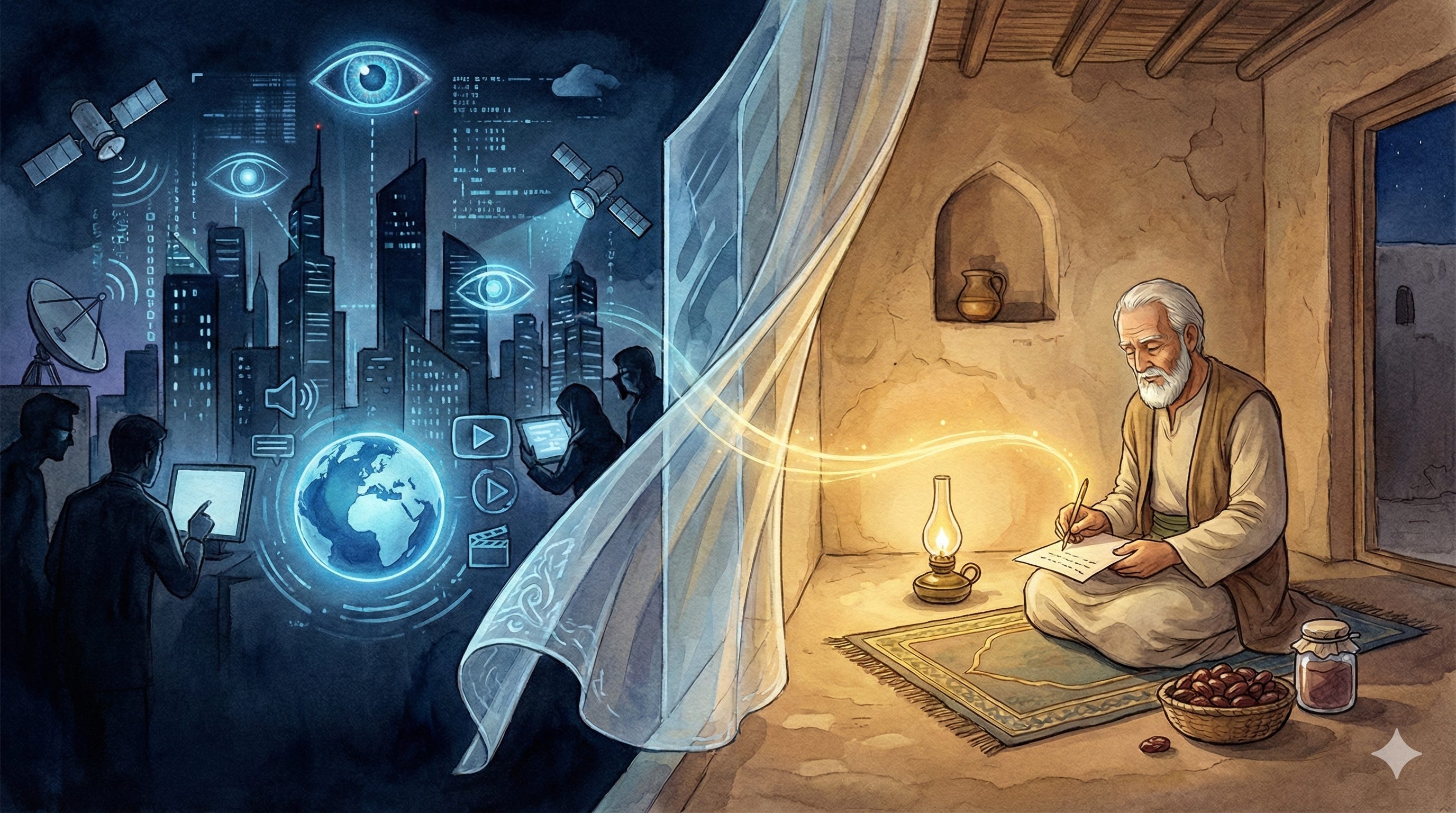
We are living through what has been called a “Soft War.”
Our institutions, our scholars, and our youth are under surveillance—not by Abbasid soldiers, but by the ideological machinery of the Arrogant Powers of our time.
Uthman teaches us that we must be wise.
We must not expose our strategies, our assets, or our vulnerabilities carelessly.
Sometimes, the most effective work is done undercover, away from the spotlight, hidden in plain sight.
Call to Clarity: The Ego Trap
Ask yourself honestly: is your service to the Imam dependent on recognition?
If the Imam asked you to serve him today—but the condition was that you must work as a janitor, and no one could ever know who you are—would you accept?
Or does your ego demand a stage?
And regarding our communities: are we protecting our institutions with wisdom, or are we exposing ourselves to the enemy because we are desperate for attention?
Uthman ibn Sa’id carried the secrets of the Imamate inside oil canisters, hidden beneath cooking fat.
He passed through checkpoints unnoticed. He lived and died without fanfare.
And because of that humility, the light survived.
The Crisis — The Funeral and the Liar
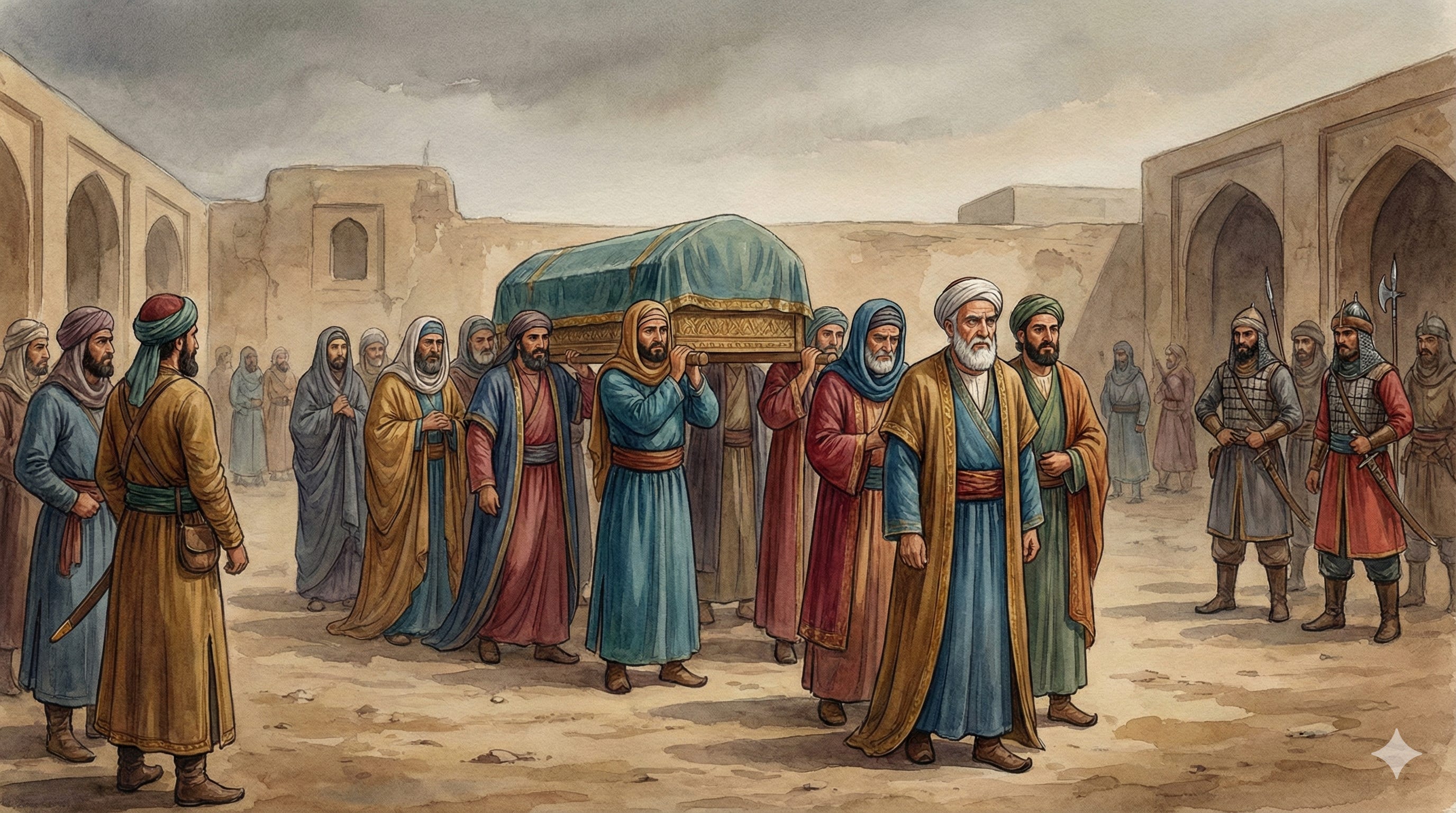
We have seen who Uthman ibn Sa’id was.
We have seen how he operated.
But now we must witness him in action—at the moment of maximum danger.
The true test of the First Deputy came on the morning of the Eleventh Imam’s death.
The Scene
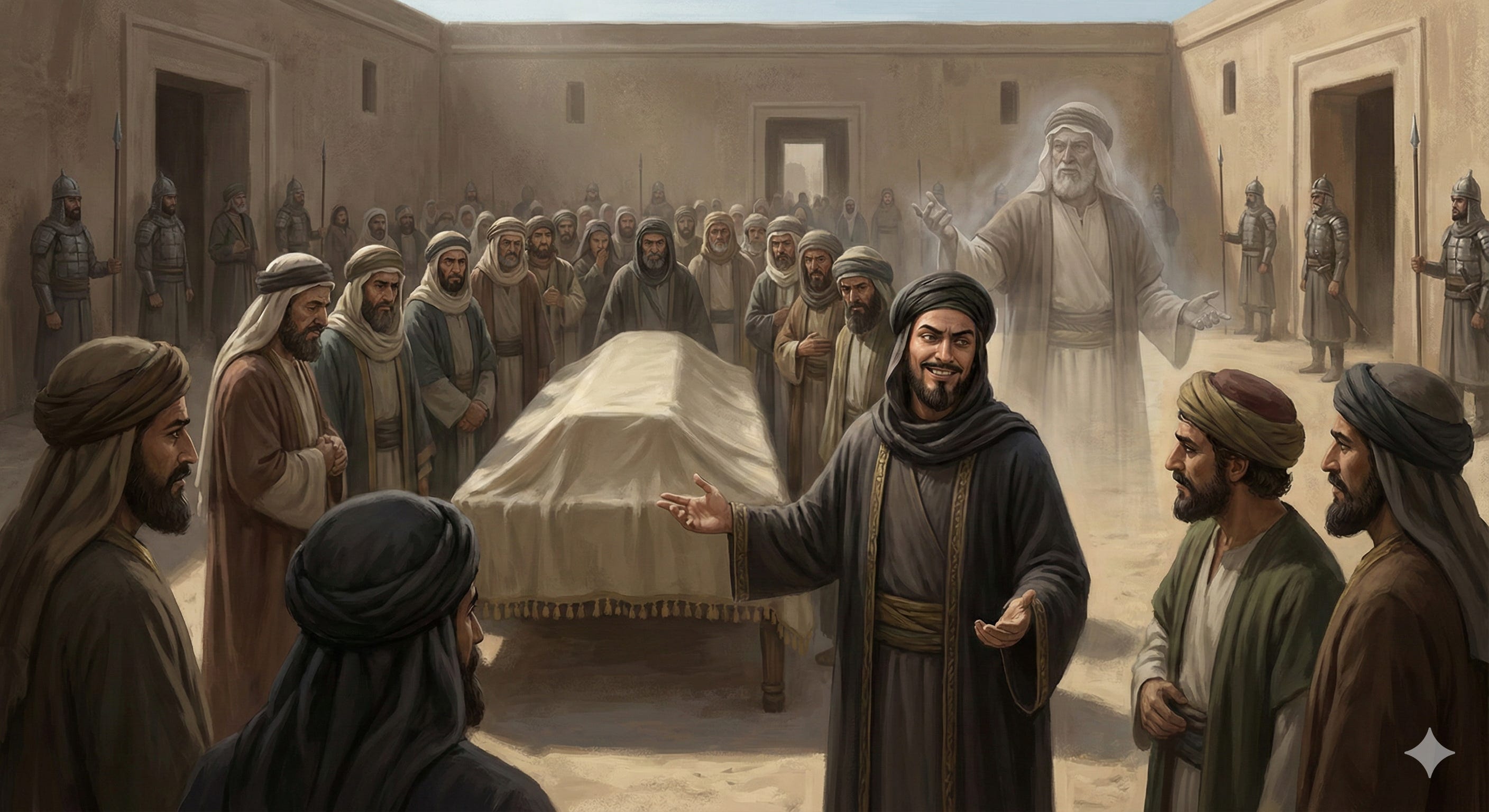
It is the 8th of Rabi’ al-Awwal, 260 AH.
Imam Hasan al-Askari has been martyred.
The house is surrounded by government agents.
The community is flooding in for the funeral, but beneath the grief there is confusion—and beneath the confusion, there is a plot.
A figure has emerged to hijack the leadership: Ja’far ibn Ali, the corrupt brother of the deceased Imam.
History would remember him by a damning title: al-Kadhdhab—the Liar.
But before we witness what happened at that funeral, we must pause and ask a deeper question:
Why?
Why would a man from the household of the Prophet attempt to usurp the position of his own nephew?
What drives such a person?
To understand Ja’far, we must first understand an older figure—a man who lived two centuries earlier, in the time of the Prophet himself.
The Imposter Archetype: Musaylamah al-Kadhdhab
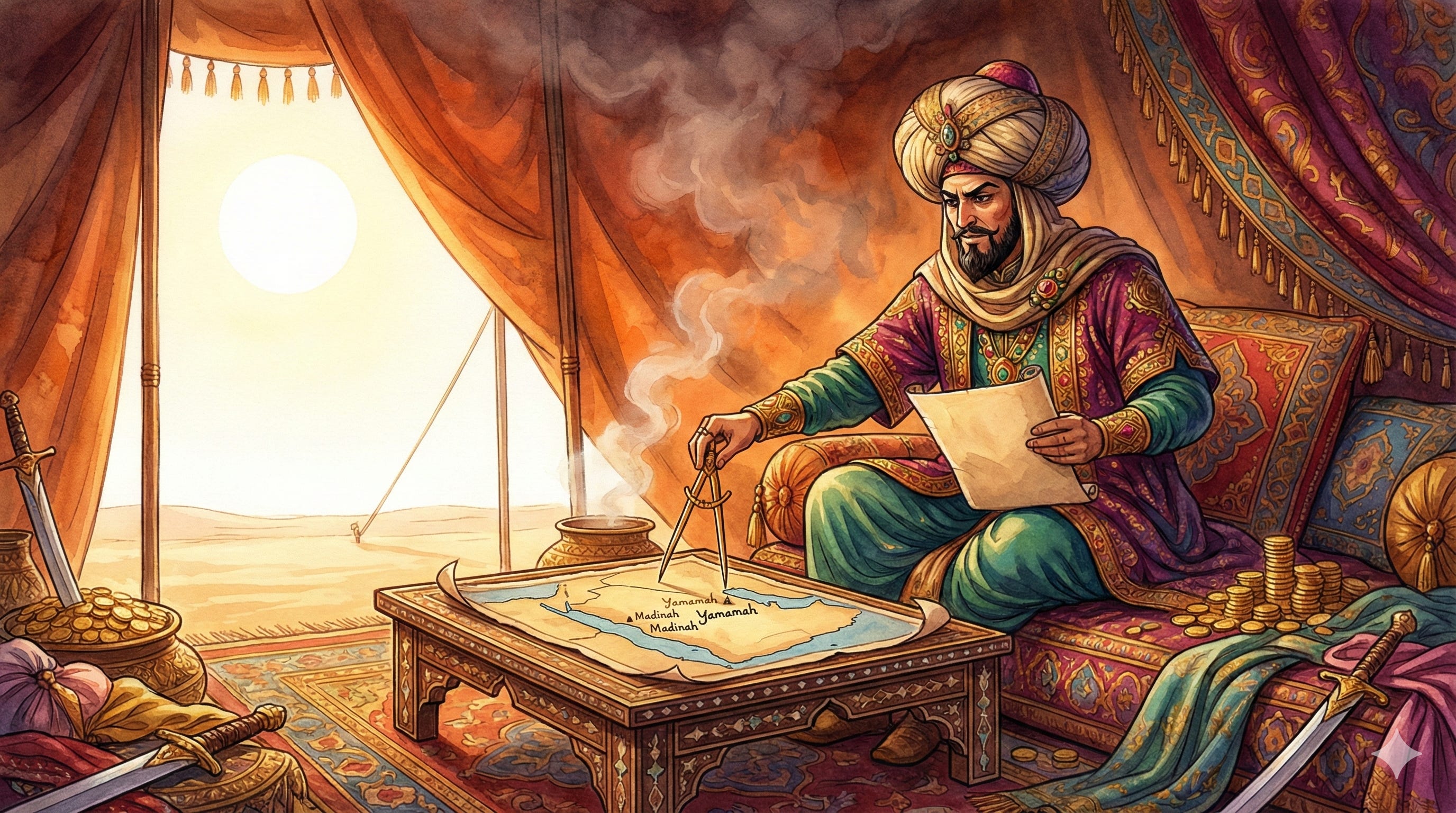
In the final years of the Prophet’s life—the 10th year of Hijra, known as the Year of Delegations—a man named Musaylamah rose in the region of Yamamah.
He was a chieftain of Banu Hanifa who had come to Madinah, accepted Islam, and then apostatised upon returning home.
Musaylamah did not deny God.
He did not reject the concept of prophethood.
His problem was not theology—it was ambition.
He looked at the Prophethood and saw a kingdom.
He looked at the community of believers and saw a power base.
He looked at the Prophet and thought:
Why him and not me?
And so he wrote a letter—one of the most audacious documents in Islamic history:
مِنْ مُسَيْلَمَةَ رَسُولِ اللَّهِ إِلَى مُحَمَّدٍ رَسُولِ اللَّهِ سَلَامٌ عَلَيْكَ، أَمَّا بَعْدُ، فَإِنِّي قَدْ أُشْرِكْتُ فِي الْأَمْرِ مَعَكَ، وَإِنَّ لَنَا نِصْفَ الْأَرْضِ وَلِقُرَيْشٍ نِصْفَ الْأَرْضِ، وَلَكِنَّ قُرَيْشاً قَوْمٌ يَعْتَدُونَ
“From Musaylamah, the Messenger of God, to Muhammad, the Messenger of God. Peace be upon you. As to what follows: I have been made a partner with you in this Matter. Therefore, half the earth belongs to us, and half the earth belongs to Quraysh. But the Quraysh are a people who transgress by not sharing.”
— Sirat Ibn Hisham, Volume 2, Chapter on the Delegation of Banu Hanifa
— Tarikh al-Tabari, Volume 3, Events of 10 AH
— Bihar al-Anwar by Allamah Majlisi, Volume 21, Chapter on the Conditions of the Liars
— Manaqib Al Abi Talib, Volume 1
Pause and absorb the audacity.
He addresses himself as “the Messenger of God.”
He claims he has been “made a partner” in divine authority.
And then he reveals his true motivation:
“Half the earth belongs to us.”
This is the confession of the imposter.
He viewed Prophethood as real estate.
He thought it was a kingdom to be divided between tribes—a territory to be negotiated over like a business merger.
The Prophet’s reply was not an argument.
It was a correction of reality:
بِسْمِ اللَّهِ الرَّحْمَنِ الرَّحِيمِ مِنْ مُحَمَّدٍ رَسُولِ اللَّهِ إِلَى مُسَيْلَمَةَ الْكَذَّابِ سَلَامٌ عَلَى مَنِ اتَّبَعَ الْهُدَى، أَمَّا بَعْدُ فَإِنَّ الْأَرْضَ لِلَّهِ يُورِثُهَا مَنْ يَشَاءُ مِنْ عِبَادِهِ ۖ وَالْعَاقِبَةُ لِلْمُتَّقِينَ
“In the Name of God, the Most Beneficent, the Most Merciful. From Muhammad, the Messenger of God, to Musaylamah the Liar. Peace be upon those who follow the Guidance. As to what follows:
‘Verily, the earth belongs to God; He gives it as a heritage to whom He wills of His slaves. And the blessed end is for the pious.’”
— Quran, Surah al-A’raf (the Chapter of the Heights) #7, Verse 128— Sirat Ibn Hisham, Volume 2, Chapter on the Delegation of Banu Hanifa
— Tarikh al-Tabari, Volume 3, Events of 10 AH
— Bihar al-Anwar by Allamah Majlisi, Volume 21, Chapter on the Conditions of the Liars
— Manaqib Al Abi Talib, Volume 1
Notice the correction embedded in the address.
Musaylamah called himself “the Messenger of God.”
The Prophet called him what he was: al-Kadhdhab—the Liar.
And notice the theological precision of the reply.
The Prophet did not argue.
He simply stated the reality that Musaylamah had failed to understand: the earth is not Muhammad’s to give, nor Musaylamah’s to take.
It belongs to God.
Divine authority is not a chair you sit on; it is a trust you are chosen to carry.
This exchange is preserved unanimously across the Islamic tradition:
— Sirat Ibn Hisham, Volume 2, Chapter on the Delegation of Banu Hanifa
— Tarikh al-Tabari, Volume 3, Events of 10 AH
— Bihar al-Anwar by Allamah Majlisi, Volume 21, Chapter on the Conditions of the Liars
— Manaqib Al Abi Talib, Volume 1
Sunni and Shia sources agree:
Musaylamah was the Liar, and his lie was not a denial of God—it was the attempt to commodify what belongs only to Heaven.
The Virus Returns: Ja’far ibn Ali al-Kadhdhab
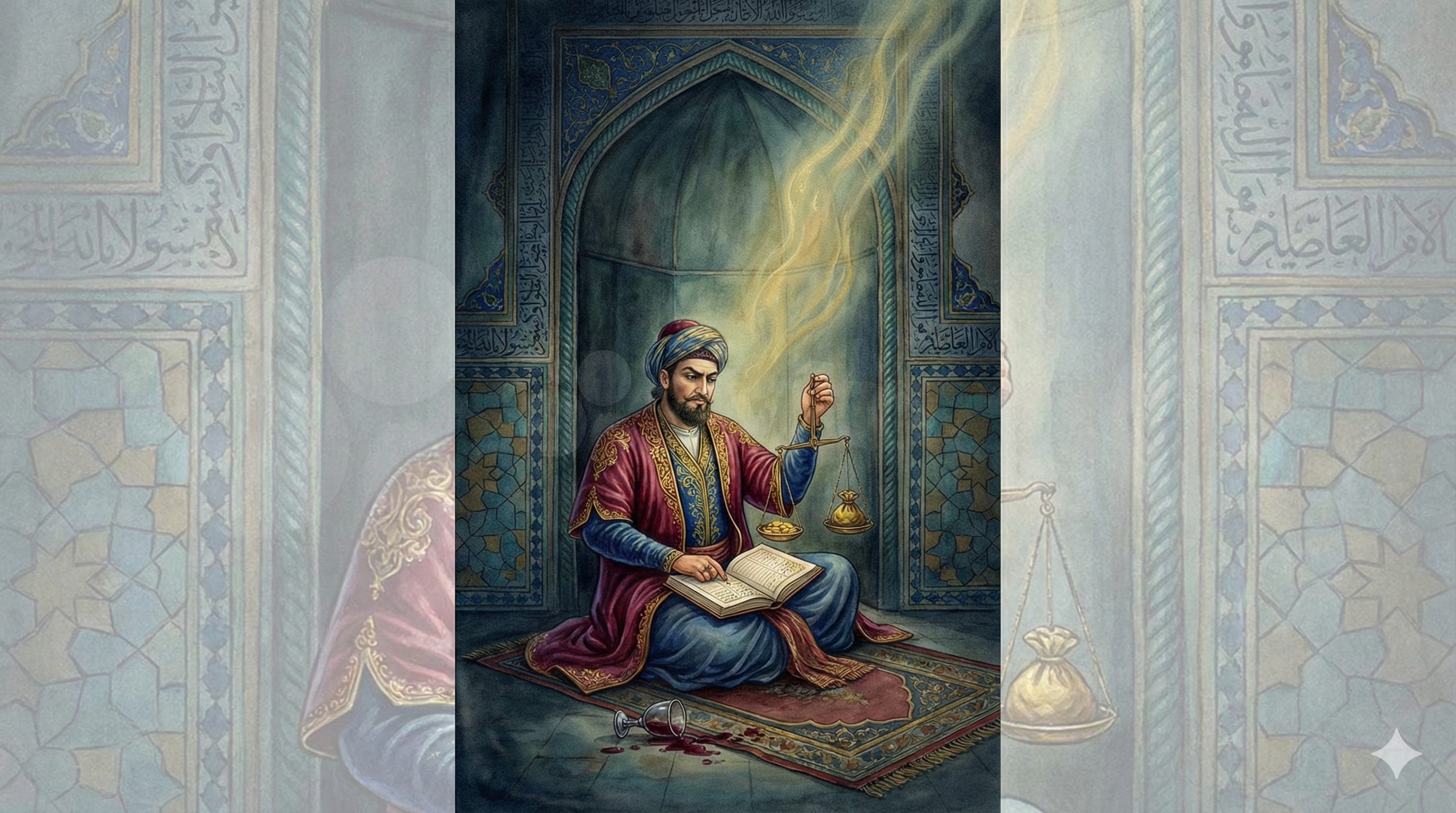
Two centuries later, the virus returned—this time within the household of the Imam itself.
When Imam Hasan al-Askari was martyred, his brother Ja’far saw an opportunity.
The historians are clear about his character: he was known for drinking wine, for frivolity, for a life far removed from the piety of his brother.
The devoted Shia who knew the family could never have accepted him as a spiritual guide.
But Ja’far was not interested in spiritual guidance.
He was interested in the estate.
This was not a theological disagreement.
It was Hubb al-Dunya—love of the world—and Hasad—envy.
He viewed the Imamate not as a sacred burden, but as a business franchise: a position that collected religious taxes and commanded social respect.
The Attempted Bribe
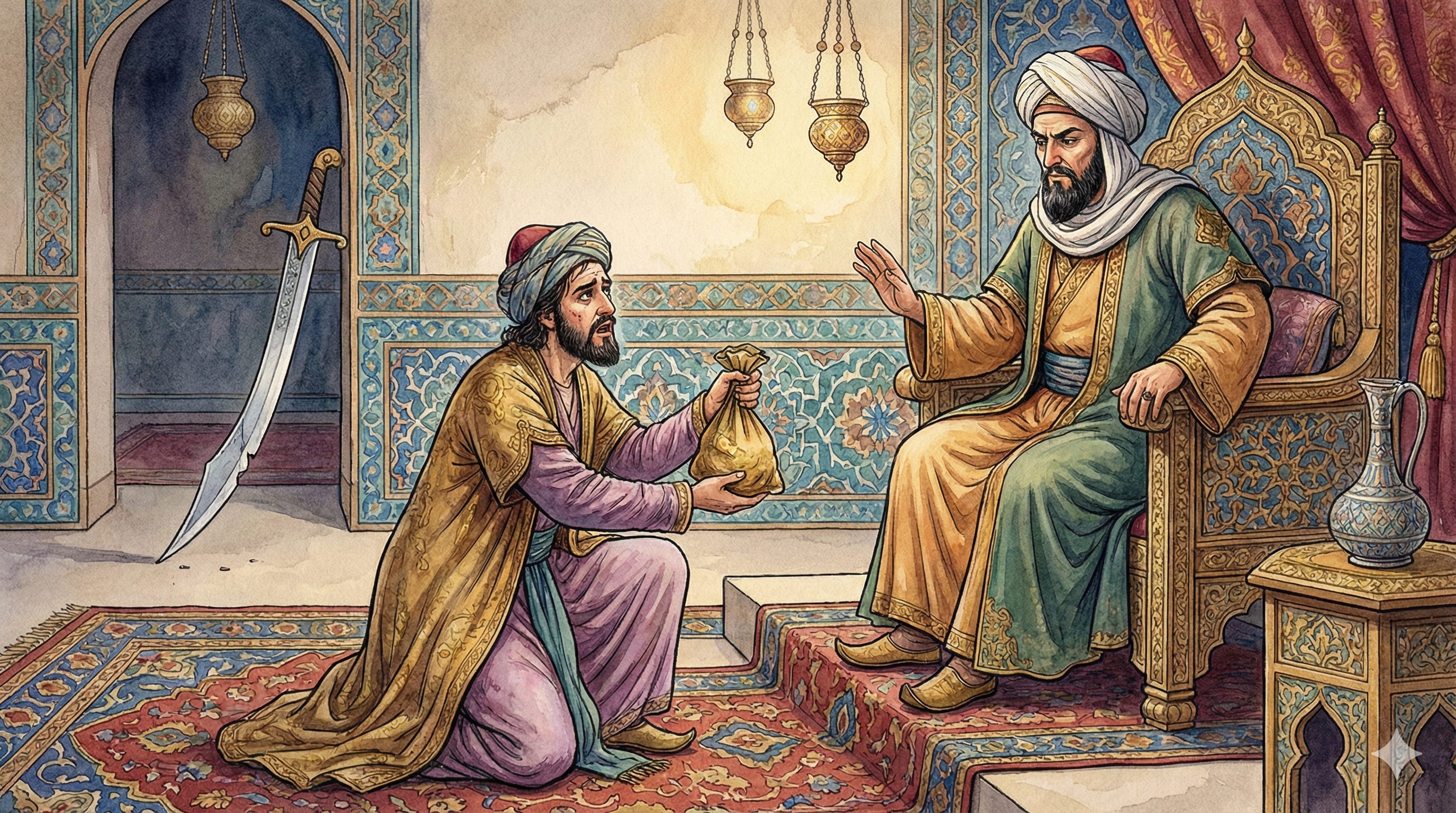
Shaykh al-Saduq records a remarkable incident in Kamal al-Din.
After Imam al-Askari’s death, Ja’far went to Ubaydullah ibn Yahya, the Abbasid Vizier, with a proposal: he would pay twenty thousand dinars annually if the government would officially recognise him as the Imam of the Shia.
Think about what this reveals.
He did not go to the scholars.
He did not present proofs.
He went to the state—to the very apparatus that had persecuted his father and brother—and offered to purchase the position.
The Vizier’s reply is preserved in the sources, and it drips with contempt:
يَا أَحْمَقُ! السُّلْطَانُ جَرَّدَ سَيْفَهُ فِي الَّذِينَ زَعَمُوا أَنَّ أَبَاكَ وَأَخَاكَ أَئِمَّةٌ لِيَصْرِفَهُمْ عَنْ ذَلِكَ، فَلَمْ يَتَهَيَّأْ لَهُ ذَلِكَ، فَإِنْ كُنْتَ عِنْدَ شِيعَةِ أَبِيكَ وَأَخِيكَ إِمَاماً فَلَا حَاجَةَ بِكَ إِلَى السُّلْطَانِ
“O fool! The Sultan drew his sword against those who claimed your father and brother were Imams, trying to turn them away—and he failed. If you are truly the Imam in the eyes of the Shia, you have no need of the Sultan. And if you are not, then even if we grant you the title, they will never accept you.”
— Al-Saduq, Kamal al-Din, Chapter 43
Even the enemies of the Imamate could see through him.
The Test of Knowledge
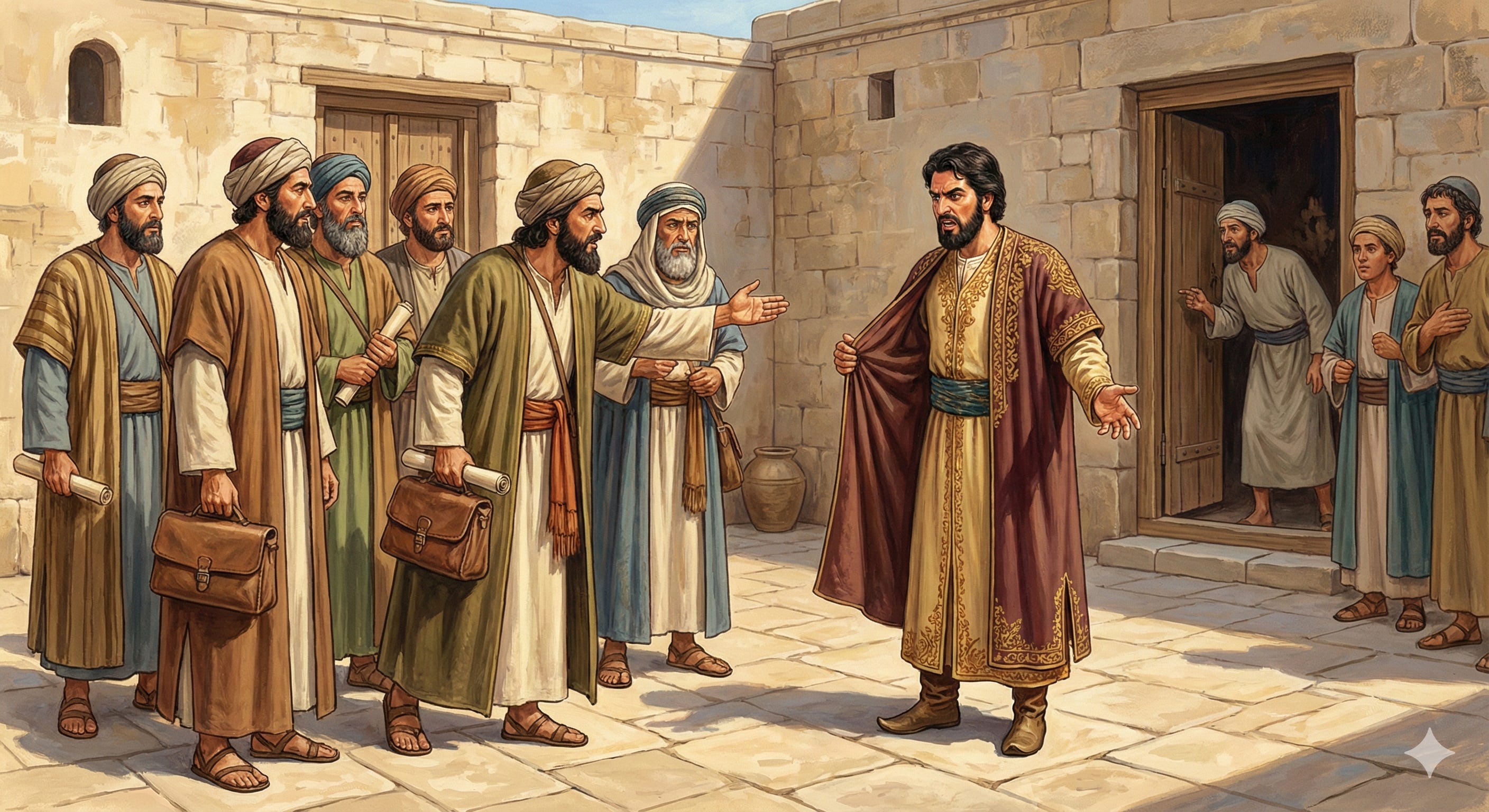
But the most damning exposure came from the Shia themselves.
A delegation arrived from Qom—one of the strongholds of the community.
Among them was the renowned Ahmad ibn Ishaq, one of the most trusted companions of the previous Imam.
They had travelled to Samarra carrying sealed bags of religious dues and letters, as was the custom.
They did not yet know that Imam al-Askari had been martyred.
When they arrived at the house, they were directed to Ja’far.
And so they posed to him the standard test that the Imams had always passed—the verification that distinguished the true Imam from any pretender.
Shaykh al-Saduq records the confrontation in Kamal al-Din:
قَالُوا: إِنَّ مَعَنَا كُتُباً وَمَالاً، فَتَقُولُ مِمَّنِ الْكُتُبُ؟ وَكَمِ الْمَالُ؟ فَقَامَ جَعْفَرٌ يَنْفُضُ أَثْوَابَهُ وَيَقُولُ: تُرِيدُونَ مِنَّا أَنْ نَعْلَمَ الْغَيْبَ؟
“They said: ‘We have with us letters and wealth. So tell us—from whom are the letters? And how much is the wealth?’ Ja’far stood up, shaking his clothes in anger, and said: ‘Do you expect us to know the Unseen?’”
— Al-Saduq, Kamal al-Din wa Tamam al-Ni’mah, Chapter 43
This was Ilm al-Ghayb—knowledge of the unseen—one of the markers that distinguished the true Imam.
The previous Imams had answered such questions routinely.
It was how the community verified that the letters they received were authentic, that the representative before them was genuine, that the chain of divine authority remained unbroken.
Ja’far could not answer.
Worse, he reacted with anger—the refuge of the exposed.
But the narration does not end there.
Shaykh al-Saduq continues:
فَخَرَجَ الْخَادِمُ فَقَالَ: مَعَكُمْ كُتُبُ فُلَانٍ وَفُلَانٍ...
“Then a servant came out and said: ‘You have with you letters from so-and-so and so-and-so...’”
— Al-Saduq, Kamal al-Din wa Tamam al-Ni’mah, Chapter 43
The servant—sent by the true Imam from within the house—provided the exact details that Ja’far could not.
The delegation had their answer.
They refused to give Ja’far a single coin. They turned away and sought the true representative—Uthman ibn Sa’id.
The contrast could not have been starker.
The imposter shook his garments in frustration.
The true Imam, hidden from sight, demonstrated his authority through knowledge.
The Prophecy Fulfilled
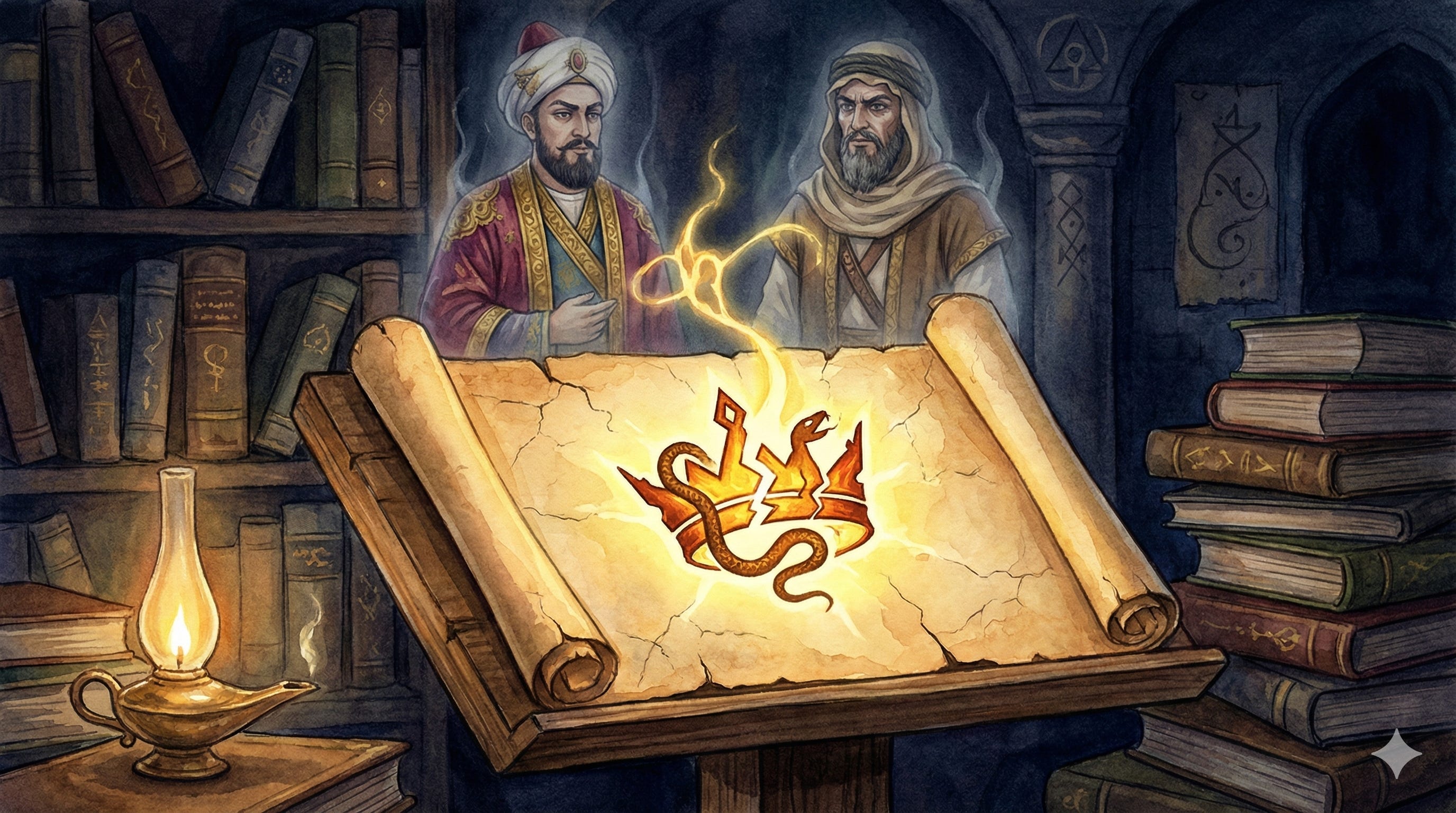
What is remarkable is that this imposter had been predicted generations earlier.
Imam Ali ibn al-Husayn, al-Sajjad, foretold the coming of Ja’far in explicit terms:
وَسَيَخْرُجُ مِنْ صُلْبِهِ رَجُلٌ يُقَالُ لَهُ جَعْفَرٌ، يَدَّعِي الْإِمَامَةَ بِغَيْرِ حَقِّهَا، الْمُلَقَّبُ بِالْكَذَّابِ
“And from his loins [Imam al-Hadi] will come a man called Ja’far, who will claim the Imamate without right... he is nicknamed the Liar.”
— Al-Saduq, Kamal al-Din, Chapter 31, Hadith 2
The title al-Kadhdhab was not merely an insult invented by later historians.
It was a prophetic designation—linking Ja’far to the same spiritual lineage as Musaylamah before him.
Two liars.
Two centuries apart.
One title.
The Pattern of the Imposter
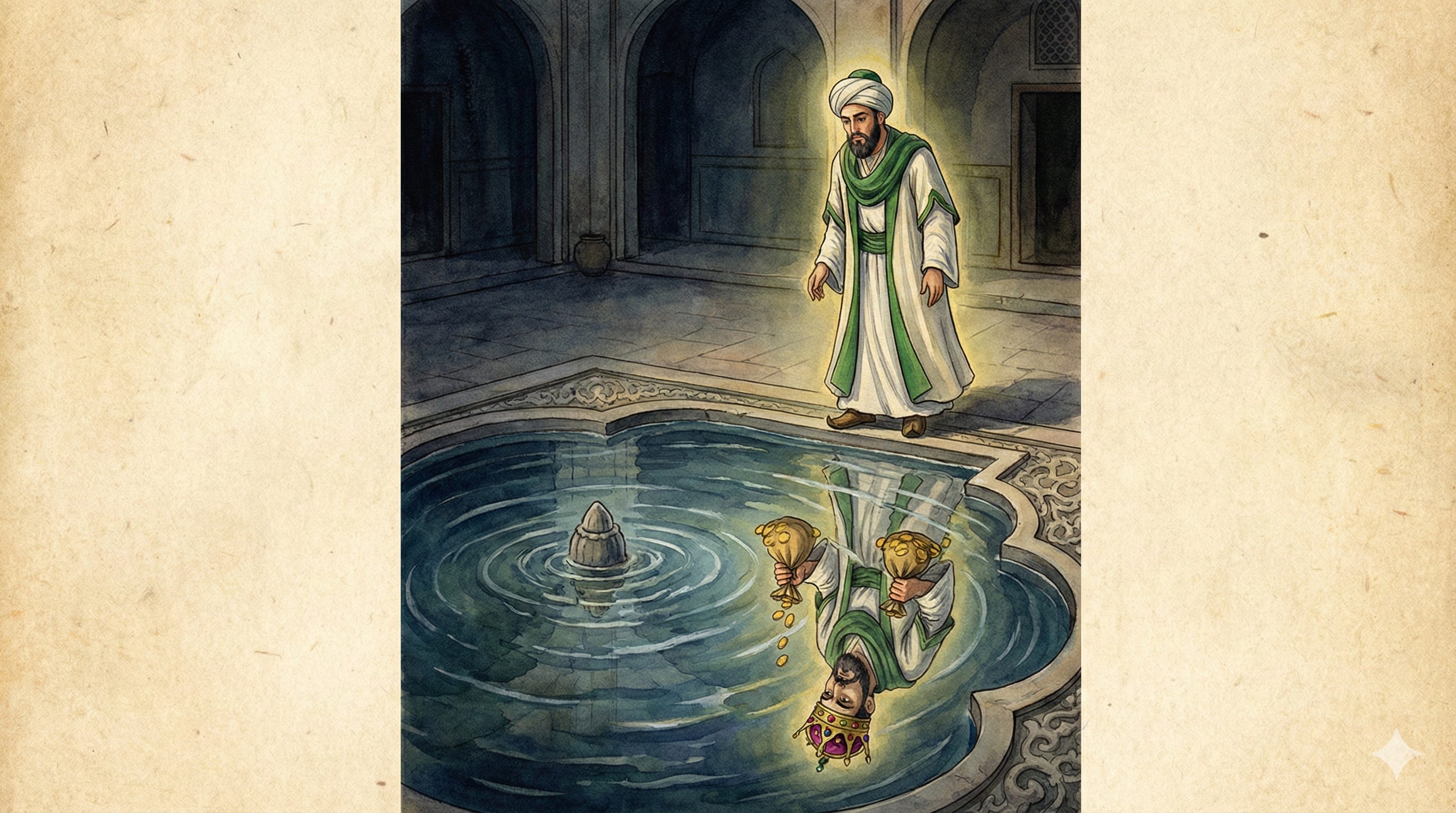
Let us pause and observe the pattern, because this pattern has not disappeared.
It reappears in every age.
The imposter does not deny religion—he hijacks it.
Musaylamah believed in God.
Ja’far came from the household of the Prophet.
Neither was an atheist.
But both looked at sacred authority and saw a commodity to be acquired.
The imposter seeks authentication from worldly powers.
Musaylamah sought territory.
Ja’far sought the Sultan’s endorsement.
Neither sought validation from knowledge, from piety, from the community of scholars.
They went to the centres of worldly power because they lacked internal legitimacy.
The imposter is exposed by his ignorance.
Musaylamah attempted to produce verses to rival the Quran—and produced laughable gibberish about elephants and frogs.
Ja’far was asked basic questions the Imams had always answered—and he could not.
The imposter can imitate the external form of leadership, but he cannot replicate the substance.
The imposter wants the title without the burden.
The true Imam carries the weight of the community’s salvation.
Musaylamah wanted half the earth.
Ja’far wanted the estate.
They wanted the position, not the responsibility.
The Confrontation at the Funeral
Now we return to that morning in Samarra.
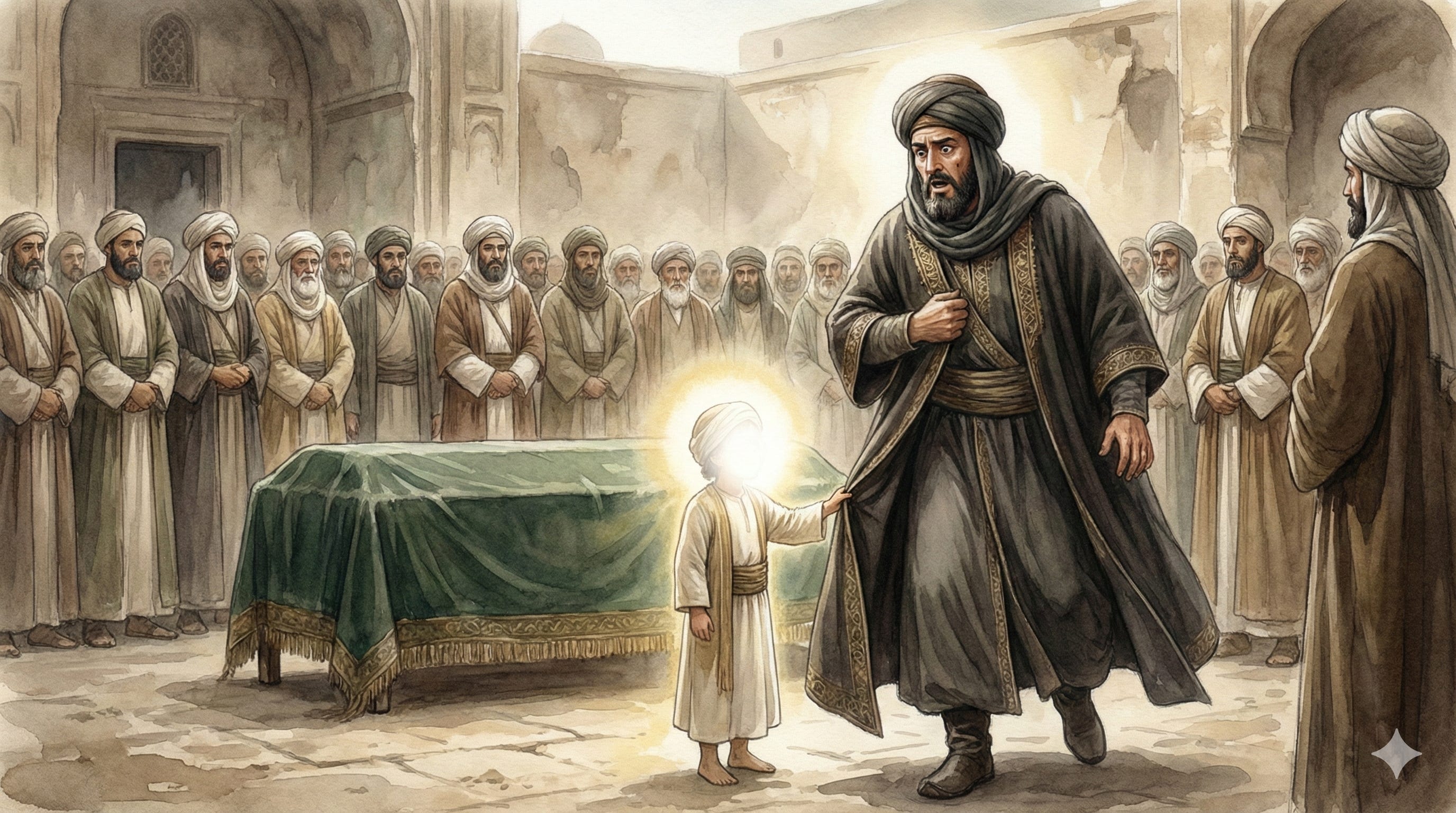
Ja’far, despite his failures, had positioned himself at the front of the funeral.
He stood ready to lead the prayer—to claim, in front of the gathered community and the watching agents of the state, that he was the rightful successor.
If he had succeeded, the Abbasid government would have recognised him.
The true heir would have been erased.
The line of guidance would have been severed.
But just as Ja’far raised his hands to begin the Takbir, the unexpected happened.
Shaykh al-Saduq records the moment:
فَلَمَّا هَمَّ بِالتَّكْبِيرِ خَرَجَ صَبِيٌّ... فَجَذَبَ رِدَاءَ جَعْفَرٍ وَقَالَ: يَا عَمِّ، تَأَخَّرْ! فَأَنَا أَحَقُّ بِالصَّلَاةِ عَلَى أَبِي
“When he was about to say the Takbir, a young boy emerged... He pulled Ja’far’s cloak and said: ‘O Uncle, step back! For I am more worthy to pray over my father.’”
— Al-Saduq, Kamal al-Din, Chapter 43
A child—radiant, calm, carrying an authority that silenced the room—had walked through the rows of mourners and stopped the usurper in his tracks.
Ja’far’s face darkened with humiliation.
He stepped back.
The Boy led the prayer over his father’s body.
And then, as suddenly as he had appeared, the Child vanished back into the house.
The Anchor
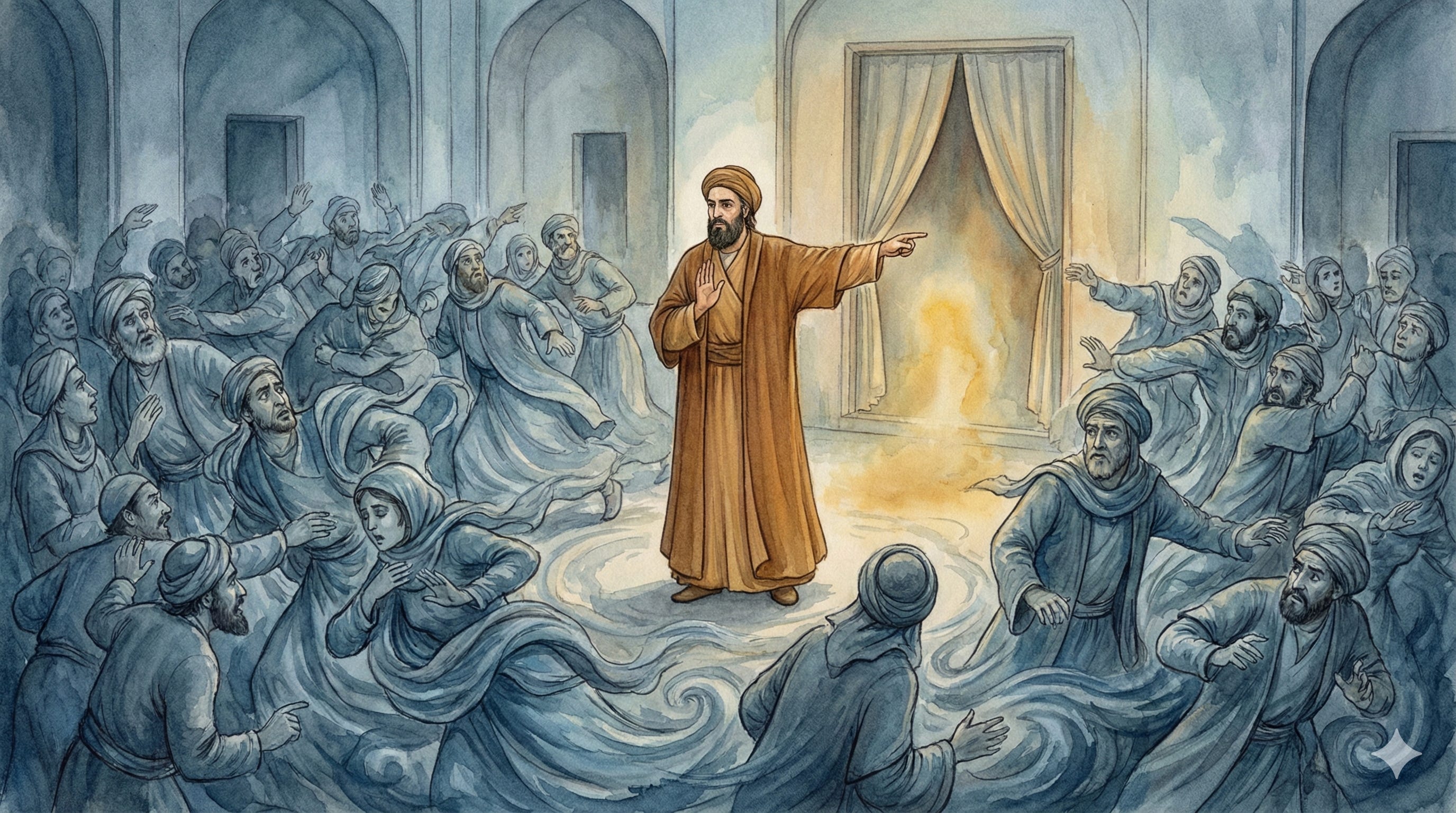
The community was stunned.
They had just witnessed the Imam—but now he was gone.
The government agents were still circling.
Ja’far was still present, nursing his humiliation and his ambitions.
The people were asking:
What do we do now? Who leads us? Where is the Imam?
This was the moment Uthman ibn Sa’id stepped into the void.
He did not panic.
He did not freeze.
He took charge of the burial.
He managed the logistics.
He calmed the tribes and the representatives who had travelled from distant lands.
He absorbed the shock of the community and gave them direction.
The Imam had become the Hidden Reality.
Uthman became the visible anchor.
Without him, that morning could have descended into chaos—or worse, into the hands of the Liar.
But because of his steadiness, the community held together.
The line of truth survived.
Uthman protected the community because he knew the difference between a man who wants the position and a man who is chosen for the position.
He had spent fifty years in the presence of true Imams.
He could recognise the counterfeit instantly.
The Divine Laboratory
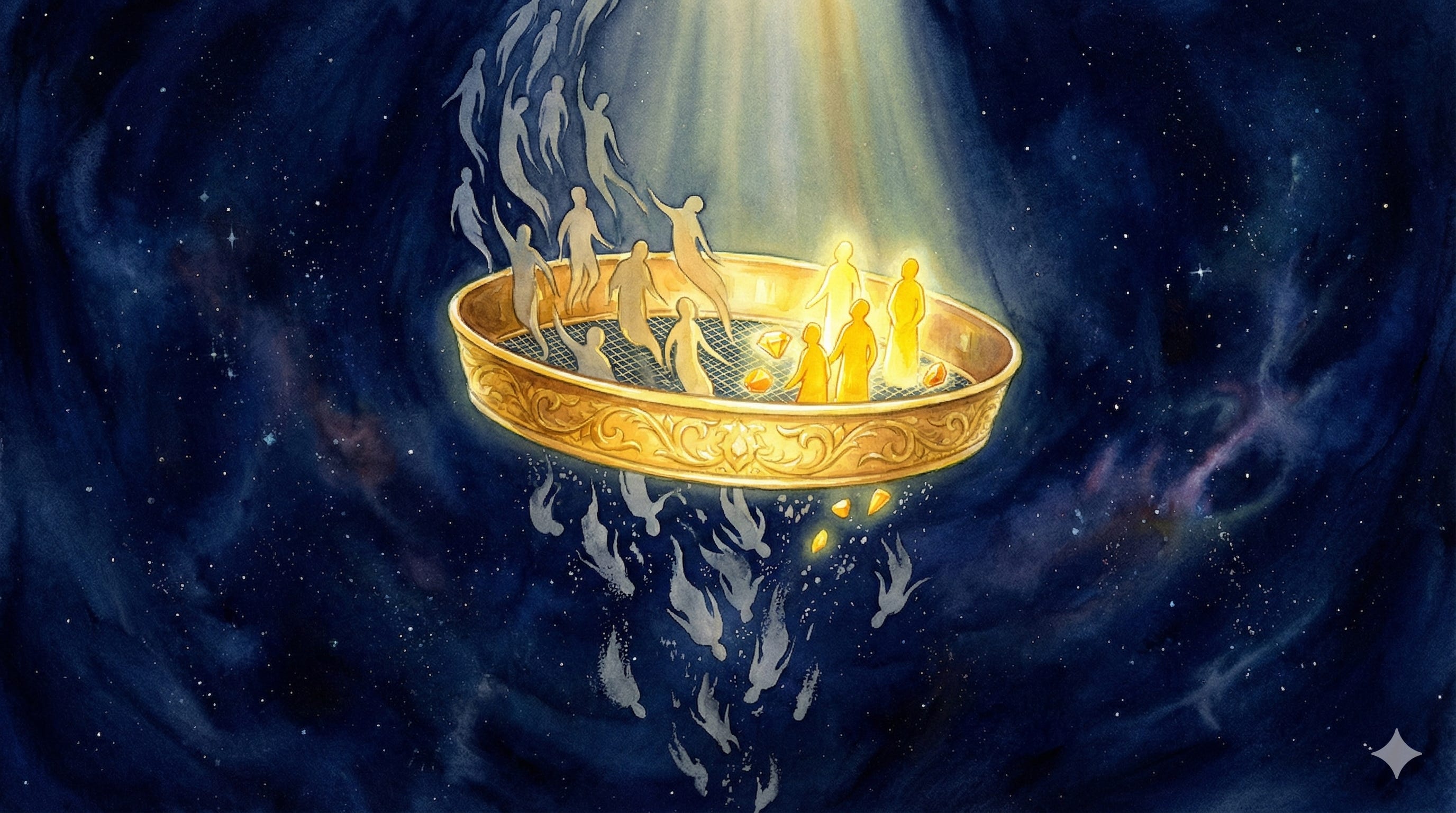
Ayatullah Misbah-Yazdi, the late philosopher of the Islamic Revolution, offers a profound lens through which to understand this era.
He describes the Occultation as a Divine Laboratory—an arena of testing in which the believers are sifted and sorted.
He writes:
«غیبت امام، آزمایشگاه عظیم الهی است. در این دوران، مردم غربال میشوند. آن کسانی که ایمانشان سطحی است، با طولانی شدن غیبت یا دیدن نایب به جای امام، میلغزند. تنها کسانی میمانند که بصیرت دارند.»
“The Occultation of the Imam is a Great Divine Laboratory. In this era, the people are sieved. Those whose faith is superficial slip away when the Occultation lengthens, or when they see a Deputy instead of the Imam. Only those with Basirah—deep insight—remain.”
— Ayatullah Misbah-Yazdi, Aftab-e Velayat (The Sun of Guardianship), Page 145
The funeral of Imam al-Askari was the first great sieve.
Some followed the Liar.
Some abandoned the path altogether, unable to accept an Imam they could not see.
But those with basirah—those who had been trained by decades of the Imams’ teachings—recognised the truth.
They held firm.
They followed Uthman.
Lesson for the Present: Recognising the Imposter

Every generation has its Ja’far.
Every era produces its Musaylamah.
The costume changes.
The language updates.
But the psychology remains identical: greed disguised as piety, ambition dressed in the robes of religion.
Today’s imposters may not offer bribes to viziers—but they seek endorsement from algorithms, from viral fame, from media platforms that reward controversy over substance.
They do not claim to be Imams—but they position themselves as the “authentic voice” of Islam while lacking the decades of study that true scholarship requires.
And like Ja’far, they are exposed by their ignorance.
Ask them a deep question, and they grow angry.
Challenge them with the tradition, and they deflect.
They have mastered the performance of religiosity, but they cannot answer the test.
Call to Clarity
The Imposter Test
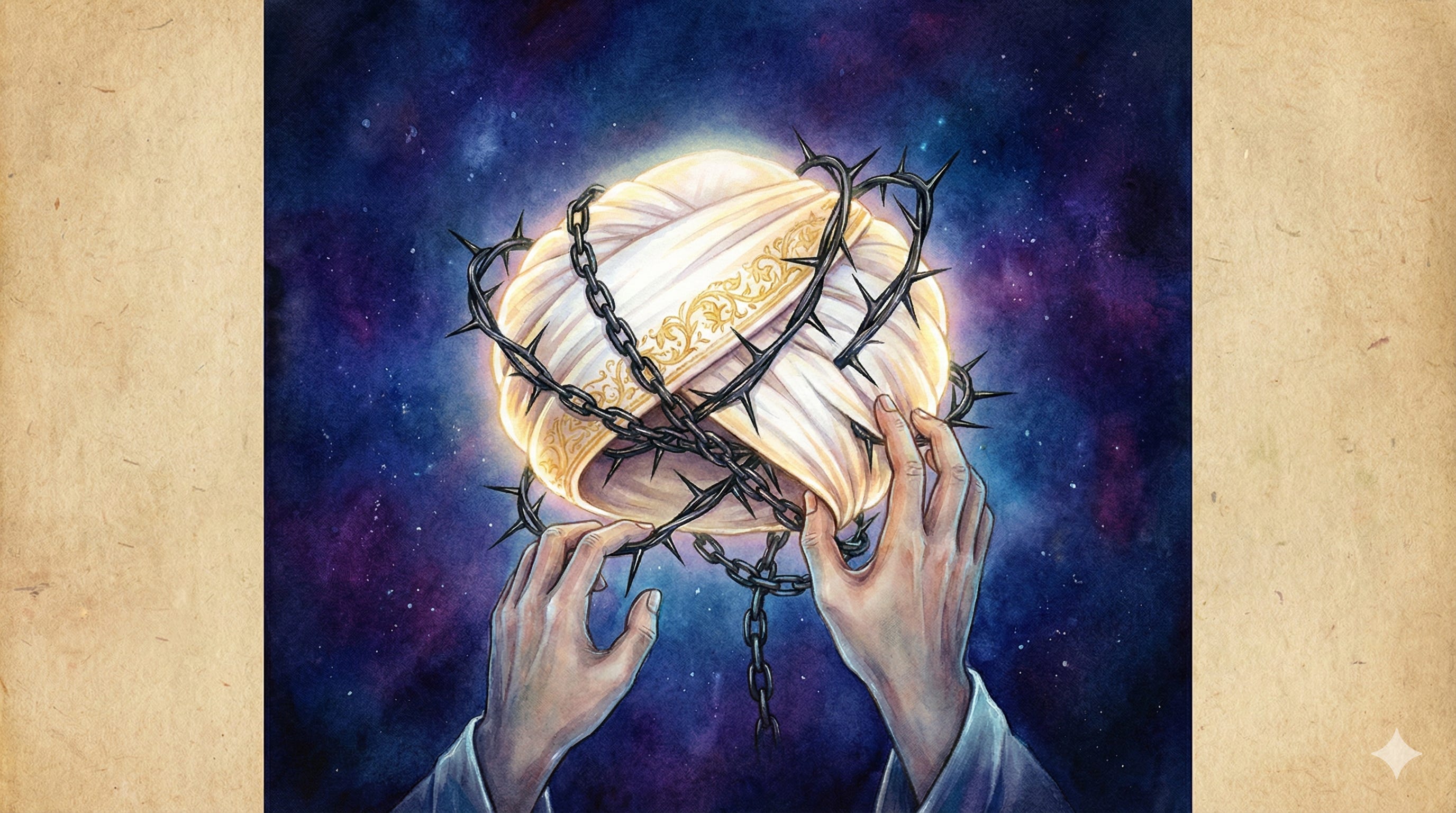
How do we recognise the imposter in our own time?
Ask yourself:
Does this person seek validation from the scholars of Najaf and Qom—or from social media metrics?
Do they build their platform on service, or on controversy and attacks?
When challenged, do they respond with knowledge and humility—or with anger and deflection?
Are they carrying the burden of the community’s guidance—or are they seeking the “half of the earth” that comes with religious celebrity?
Musaylamah wanted territory.
Ja’far wanted the estate.
The imposters of our age want followers, influence, and fame.
The motivation is always the same: the title without the burden, the position without the substance, the crown without the cross.
Firefighters or Arsonists?
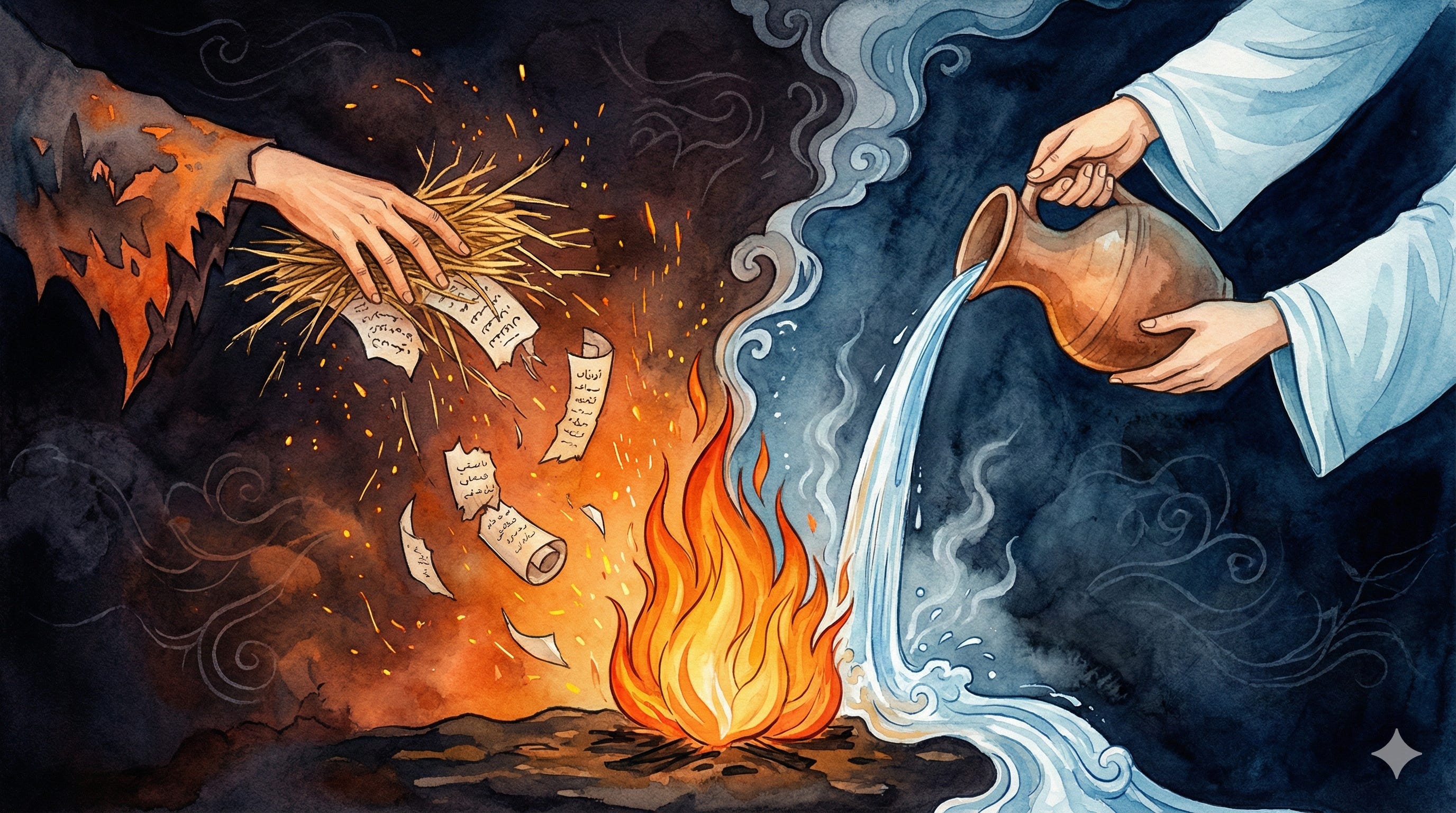
And when confusion strikes—when the next scandal breaks, when the next false claimant emerges—what role will you play?
Are you a firefighter—someone who calms the flames, who points people back to the scholars, who refuses to spread unverified rumours?
Or are you an arsonist—someone who forwards every WhatsApp message, who amplifies every doubt, who delights in the chaos because it makes you feel important?
When a crisis hits, do you rush to social media to “discuss” it before you have verified anything?
Or do you pause, consult the people of knowledge, and speak only when you have something true and beneficial to say?
In the storm of fitnah, the Imam needs anchors—not leaves that blow in the wind.
Uthman ibn Sa’id was an anchor.
The question for each of us is:
What are we?
Conclusion
The Hierarchy and the Legacy
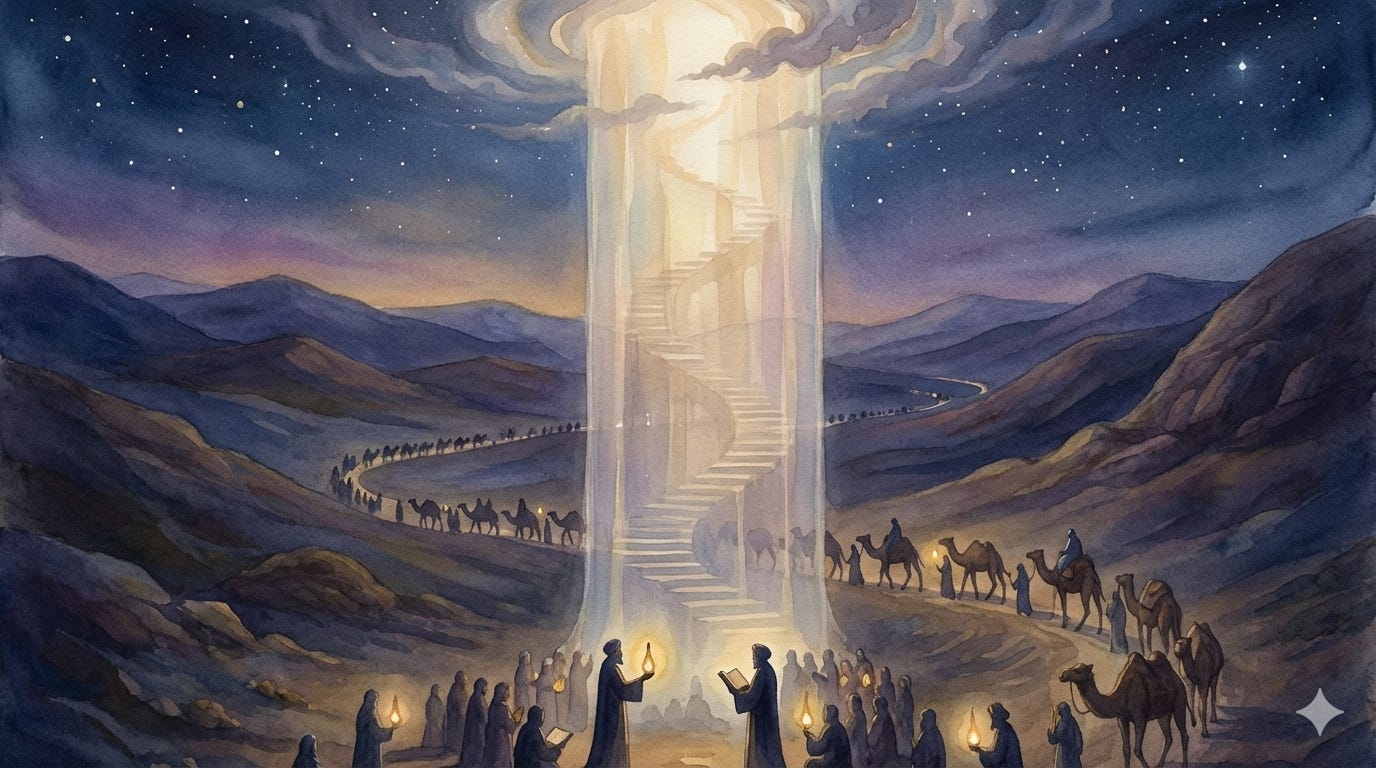
We have walked through the credentials, the method, and the crisis.
But before we close the chapter on the First Deputy, we must understand one final principle—a principle that governs not only the era of Uthman ibn Sa’id, but our own era as well.
The Scholar Bows to the Deputy
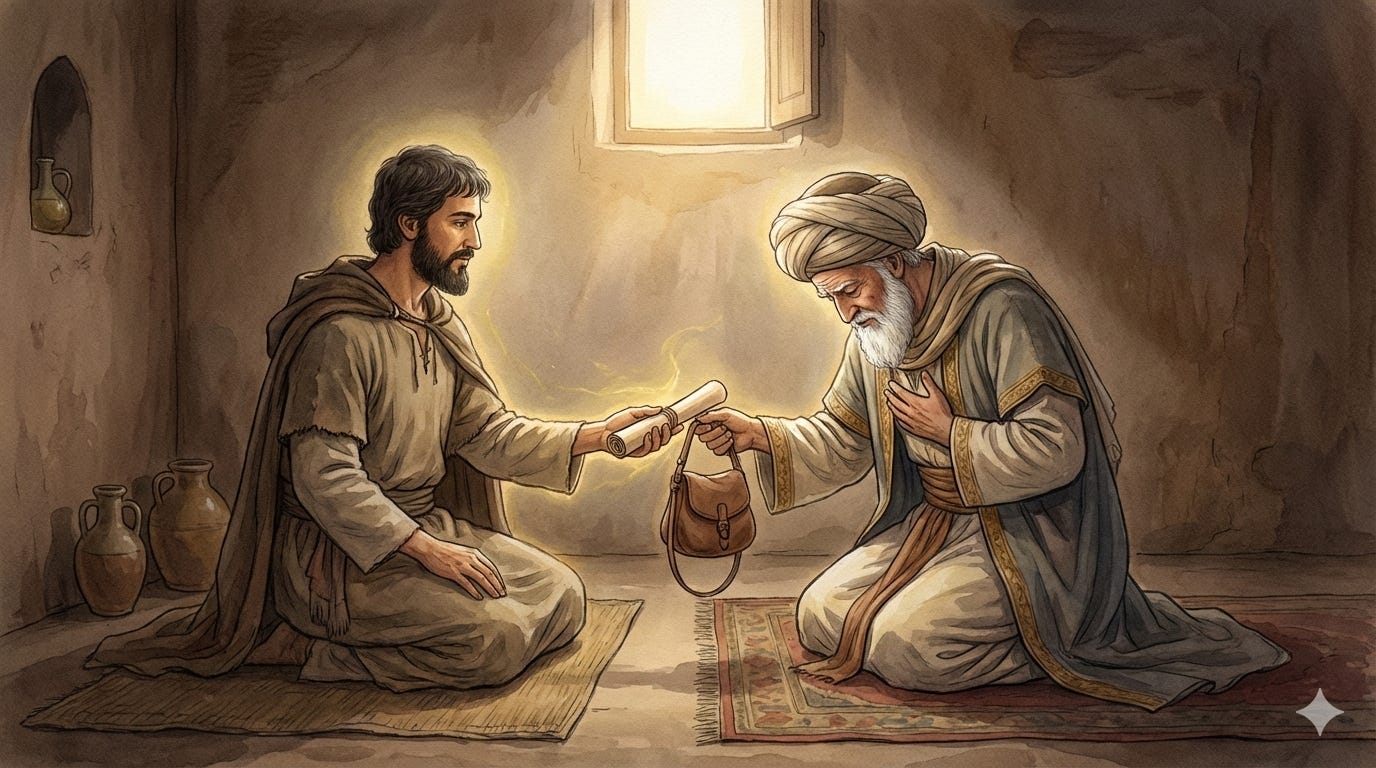
During the time of Uthman ibn Sa’id, there were great scholars alive—men of immense knowledge and towering reputation.
Among them was Ahmad ibn Ishaq al-Qummi, the head of the delegation from Qom, the same man who led the confrontation with Ja’far the Liar.
Ahmad ibn Ishaq was a giant.
He was a direct companion of both the Tenth and Eleventh Imams.
He carried their trust, transmitted their teachings, and led one of the most important Shia communities in the world.
Yet when he came to Samarra and later to Baghdad, he submitted to Uthman ibn Sa’id.
Why?
Because the Imams themselves had directed him to do so.
The narrations in Al-Kafi record that Ahmad ibn Ishaq asked the Tenth and Eleventh Imams directly:
“Whom should I deal with? Whose word should I accept?”
And the Imams pointed him to Uthman:
هَذَا أَبُو عَمْرٍو الثِّقَةُ الْأَمِينُ، مَا قَالَهُ لَكُمْ فَعَنِّي يَقُولُ، وَمَا أَدَّاهُ إِلَيْكُمْ فَعَنِّي يُؤَدِّيهِ
“This is Abu Amr—the Trustworthy, the Faithful. Whatever he says to you, he says on my behalf. And whatever he delivers to you, he delivers on my behalf.”
— Al-Kulayni, al-Kafi, Volume 1, Kitab al-Hujjah, “Chapter on the Excellence of Knowledge and the Authority of the Narrators.”
— Shaykh al-Tusi, Kitab al-Ghaybah, Section on the Praiseworthy Deputies, report of Ahmad ibn Ishaq al-Qummi. (Also cited in al-Hilli, Zubdat al-Aqwal, Volume 1, Page 469)
Ahmad ibn Ishaq, for all his learning, for all his stature, understood something that many of us struggle to accept: knowledge is precious, but authority is higher.
The scholar bows to the appointed deputy.
This is the principle of Tasleem—submission.
Not the submission of ignorance, but the submission of wisdom.
Ahmad ibn Ishaq knew more fiqh than Uthman the oil merchant.
But he also knew that the Imam had designated Uthman as the channel of authority.
And so he submitted—not to Uthman’s person, but to the system the Imam had established.
The Chain Continues

Imam Khomeini, the architect of the Islamic system in our age, connected this obedience directly to our time.
He demonstrated that the line of authority did not end with the Four Deputies—it continues through the institution of Wilayat al-Faqih, the Guardianship of the Jurist.
He writes:
«ولایت فقیه همان ولایت رسول الله (ص) است... وقتی امام (ع) شخصی را به عنوان نایب (چه خاص و چه عام) تعیین میکند، اطاعت از او در امور حکومتی واجب است، و رد کردن حکم او، رد کردن حکم امام است.»
“The Guardianship of the Jurist is the same as the Guardianship of the Messenger of God... When the Imam appoints a person as a Deputy—whether Specific, like Uthman, or General, like the Fuqaha—obedience to him in affairs of governance is obligatory. And rejecting his ruling is rejecting the ruling of the Imam.”
— Imam Khomeini, Kitab al-Bay’, Volume 2, Discussion on Wilayat al-Faqih
The Specific Deputies—the Four Gates—served during the Lesser Occultation.
But when that door closed, the General Deputyship opened.
Today, the Maraji’—the senior jurists who have spent their lives mastering the sciences of the religion—hold this trust.
They are not Imams.
They do not claim infallibility.
But they are the designated channels through which the guidance of the Imam flows to us in his absence.
Lesson for the Present: The Humility of the Learned
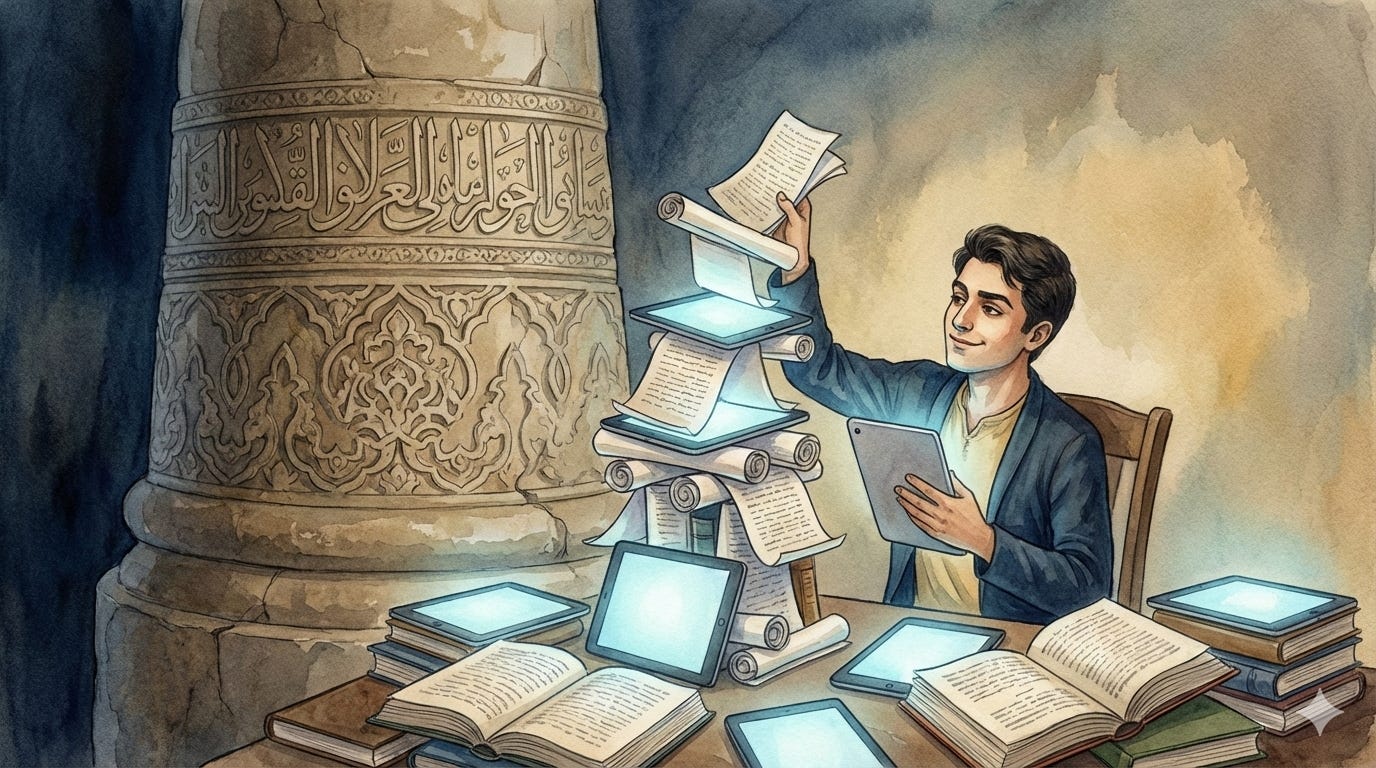
We must learn the humility of Ahmad ibn Ishaq.
In our age, we have access to more information than any generation before us.
We can read translations of hadith on our phones.
We can watch lectures from scholars across the world.
We can Google a fatwa in seconds.
And this access has bred a dangerous arrogance.
We begin to think that because we have read something, we have understood it.
We assume that because we can access the sources, we can interpret them.
We look at the grey-haired jurists of Najaf and Qom and think:
What do they know that I cannot find online?
But Ahmad ibn Ishaq had spent decades in the presence of the Imams themselves—and still, when directed to Uthman, he submitted.
Intellectual arrogance is the gateway to deviation.
It is the voice that whispers:
You are too smart to follow. You know better.
It is the same voice that told Ja’far he could buy the Imamate, and told Musaylamah he deserved half the earth.
No matter how educated we think we are, no matter how many books we have read, no matter how many lectures we have consumed—we submit to the rightful leadership.
Not because they are perfect, but because the system the Imam established requires it.
The Legacy of the First Gatekeeper
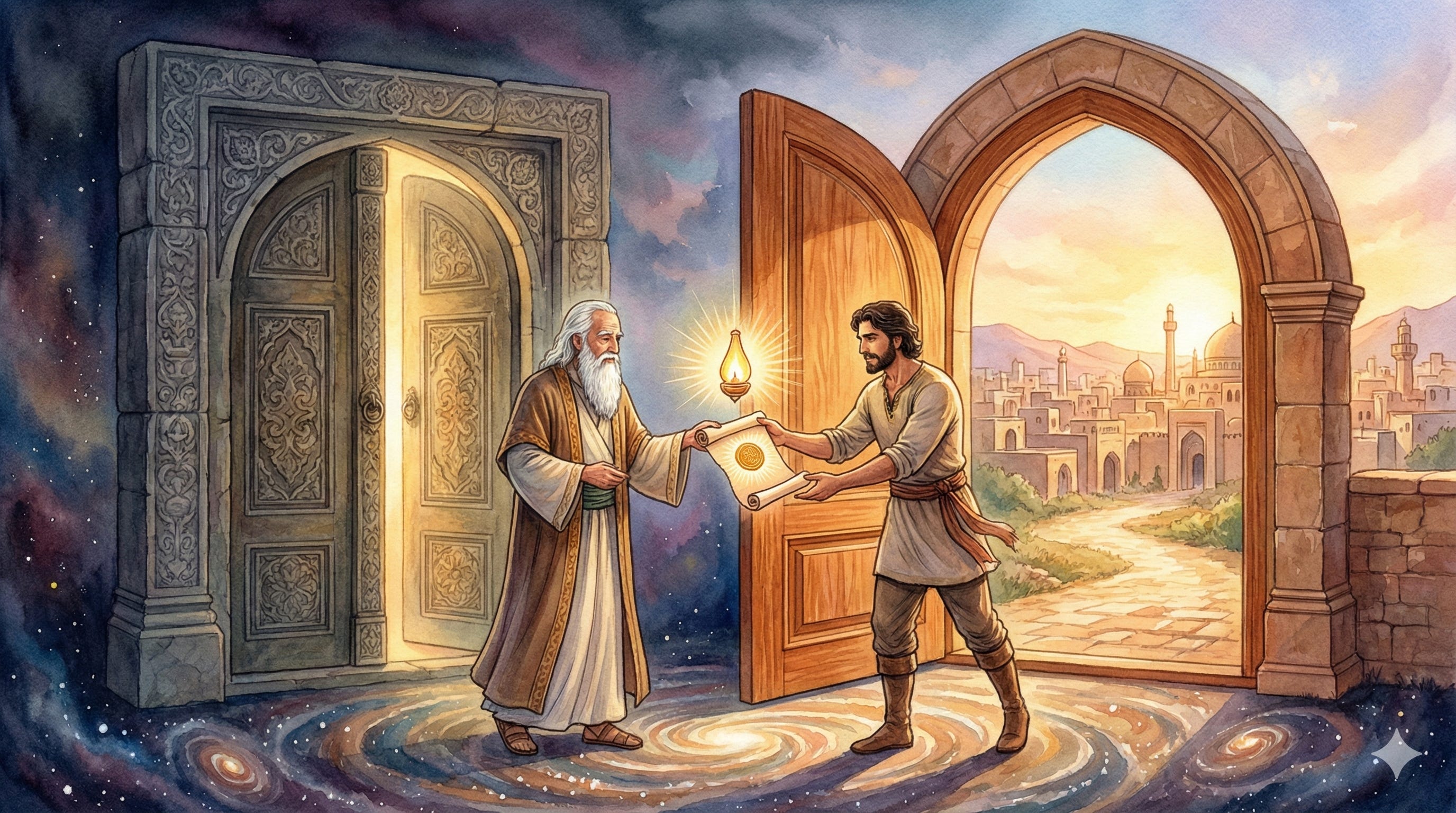
Uthman ibn Sa’id did not serve as the Deputy for long—perhaps only five years after the Occultation began.
But in those five years, he achieved the impossible.
He successfully transferred the Secret of God from the military garrison of Samarra—a city crawling with spies and agents—to the bustling streets of Baghdad, where the network could breathe and expand.
He normalised the idea that the Imam is present, but hidden—that guidance continues even when the Guide cannot be seen.
He held the community together through the most dangerous transition in its history.
He faced down the Liar.
He managed the funeral.
He calmed the tribes.
He carried the oil canisters through the checkpoints with Heaven’s secrets hidden inside.
And when he lay on his deathbed, he did not leave the community guessing.
By the direct command of the Imam, he appointed his son, Muhammad ibn Uthman, to carry the heavy load forward.
The First Gate closed.
But the Second Gate opened.
The light continued.
A Supplication-Eulogy for the First Deputy — The Supplication of the Gate
In the Name of God, the Witness and the Judge
O God, send Your blessings upon Muhammad and the Family of Muhammad—the Lanterns in the darkness, the Ships of salvation, the Doors through which the seekers must enter.
O God, send Your blessings upon the Master of this Age, the Awaited One, the Hidden Sun, the Proof of Your existence upon the earth—Imam al-Mahdi, may our souls be sacrificed for the dust beneath his feet.
We turn our hearts to him now, in this gathering, in this hour, though our eyes cannot see him and our hands cannot reach him. We declare, as the believers have always declared:
We have not abandoned you, O Master. We have not forgotten you. We are waiting. We are preparing. We are yours.
Tonight, we stand at the grave of memory.
We recite the Ziyarat of the Deputies, as preserved in the books of supplication:
“I bear witness that you are the Gate of the Master... I have come to you recognising the Truth upon which you stood... Peace be upon you, O Trustee of God in His hidden affairs.”
O Uthman ibn Sa’id...
You were al-Amin—the Trustee.
You carried the trust of the Imam—his letters, his wealth, his secrets—hidden in oil skins, past the checkpoints, through the shadows, into the hands of the lovers.
You were the Gate that never failed.
For fifty years, you served in silence. No stage. No applause. No recognition from the world. Only the recognition of Heaven.
And when the storm came—when the Imam was martyred, when the Liar stepped forward, when the community teetered on the edge of collapse—you stood firm. You did not break. You did not waver. You carried the weight of the heavens, and you did not fall.
O First Gate, we salute you.
But tonight, our hearts travel from the Trustee of Samarra to the Trustee of Karbala.
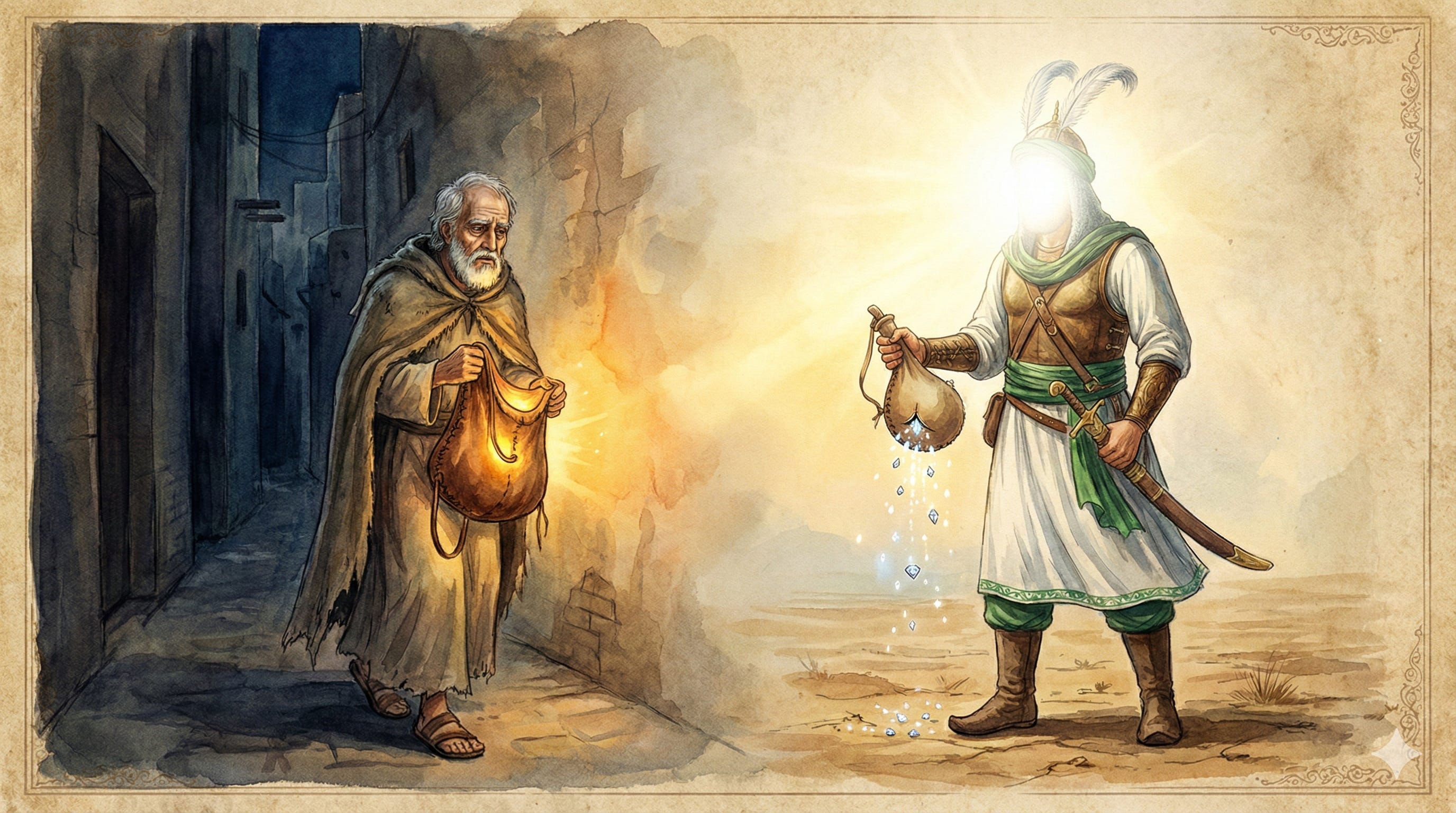
We remember Abbas ibn Ali—the Moon of the Hashemites, the Standard-Bearer, the one whose loyalty was written in blood before it was written in books.
O Uthman, you carried the oil, and it reached its destination safely.
But Abbas... O Abbas!
You carried the water skin.
You carried the hope of Sakina.
You carried the last breath of the children of Husayn.
You were the Gate to the camp of the Imam—and you fell defending it.
History tells us that when Uthman ibn Sa’id died, his son washed his blessed body, wrapped him in his shroud, and buried him with dignity.
But on the plains of Karbala, when the Trustee fell—who was there to wash him?
His hands were severed.
His eye was pierced by the arrow of the wretched.
And the water skin... the trust he guarded with his life... was torn open by the enemies of God.
The water spilled into the sand.
But the loyalty—O God, the loyalty!—that rose to the Throne.
I wonder...
Did the Imam of our Time weep for Uthman ibn Sa’id when he passed?
Surely he did. Surely he honoured the man who had protected him, who had hidden him, who had carried his secrets through the darkness.
But the tears he cries for his uncle Abbas...
Those are not tears of water.
Those are tears of blood.
“Peace be upon you, O Abu al-Fadl. Peace be upon you, O the one who sacrificed his soul for his brother. Peace be upon you, O the one who took the water from the Euphrates and did not drink, while his liver burned with thirst...”
O God...
By the oil skins of Uthman and the water skin of Abbas—
By the Gates that never betrayed their trust—
By the Trustees who carried Heaven’s secrets to the grave—
Grant us even a fraction of their loyalty.
Grant us even a shadow of their steadfastness.
Make us worthy of being called servants of Your Hidden Proof.
O God, grant us basirah—the deep insight that sees through masks.
Do not let us be fooled by the liars who masquerade as guides.
Do not let us be seduced by the Musaylamah’s of our age—those who want half the earth, those who want the title without the burden, those who build platforms on controversy while the true scholars build lives on sacrifice.
Give us the eyes to recognise the imposter, no matter how polished his speech.
Give us the hearts to recognise the truth, no matter how humble its appearance.
O God, You have not left us without guidance.
In the absence of the Imam’s visible hand, You have given us the hands of his deputies.
You gave us Uthman ibn Sa’id in Samarra.
You gave us the scholars of Najaf and Qom across the centuries.
And in our time, You have given us Imam Khamenei—the deputy who carries the banner, who guards the system, who stands firm while the arrogant powers circle like wolves.
O God, keep him for us.
Protect him as You protected Uthman from the spies.
Strengthen him as You strengthened the Gates who came before him.
And give us the humility of Ahmad ibn Ishaq—the humility to follow, to submit, to trust the system You have established, even when our egos whisper otherwise.
O God, we confess our weakness.
We confess that we have been distracted.
We confess that we have chased the approval of the world while neglecting the approval of the Imam.
We confess that we have been leaves in the wind when You asked us to be anchors in the storm.
Forgive us.
Reform us.
Make us trustworthy carriers of this message.
Do not let us betray the Imam in his absence.
Do not let us be counted among those who claimed to wait for him but did nothing to prepare for him.
O Master of our Time...
If you are watching this gathering tonight—and we believe you are—know that we have not forgotten you.
Know that we are trying.
Know that we are flawed, and broken, and distracted—but we are yours.
Use us as You will.
Send us into the oil skins of service, hidden from the eyes of the world.
We do not need the stage.
We only need Your acceptance.
O God, hasten the reappearance of our Imam.
Fill the earth with justice as it has been filled with tyranny.
And until that dawn—
Keep us firm on the path of the Trustees.
Keep us beneath the banner of the Deputies.
Keep us loyal, keep us humble, keep us hungry for the truth.
And may the blessings of God be upon Muhammad and his Purified Family—the First and the Last, the Hidden and the Manifest, the Trustees of God upon His earth.
Amen, O Lord Sustainer of the Universes,
Amen, O Most Merciful of the Merciful
And from Him alone is all ability and He has authority over all things.