

In His Name, the Most High
The Journey Continues
This series has never been a collection of disconnected talks.
From the first session, we declared that each discussion would build upon the last—brick upon brick, until the structure stands complete.
We began with the foundations: Tawheed, the Oneness that demands everything else fade before it. We moved to Adalah, the Justice that governs every divine decree. We traced Nubuwwah, the chain of messengers who marked the road. We immersed ourselves in Wilayah and Imamah, learning that guidance did not end with the Seal of Prophethood but continued through those who inherited his mantle.
And now we walk through Mahdawiyyah—the doctrine of the Awaited One who stands at the culmination of this journey.
In the previous session, we stepped into the Great Silence—the vast expanse of the Major Occultation that began in 329 AH and stretches to our own time.
We examined the crisis that engulfed the community when the gates closed, the divine purpose behind that crisis, and the scholars who ensured the religion survived through ink when the living voice fell silent.
But we left a question unanswered.
We spoke of how the community survived.
We did not speak of how they lived.
For they were not alone in responding to the crisis.
Others responded too—with swords raised and banners unfurled, promising immediate victory, immediate justice, immediate satisfaction.
Tonight, we begin with the first of these questions:
What distinguishes the uprising that serves the Imam from the uprising that betrays him?
This is the question of the False Dawn.
In the sessions that follow — God willing — we will turn to the second and third: the Shield of Taqiyyah, and the Industry of Waiting.
But tonight, we must first learn to see — to distinguish the true from the false — before we can learn to protect and to build.
These questions are not historical curiosities.
They are the questions of our age.
For the temptation to rush ahead—to force history’s hand—has not disappeared.
And the temptation to fall behind—to abandon the struggle in the name of waiting—is equally present.
The path of the Ahl al-Bayt threads between these dangers.
Tonight, we seek to understand that path.
We beseech God, the Most High, to grant us clarity in distinguishing the true from the false, patience when patience is demanded, and courage when courage is required.
May we be among those who neither rush ahead of the Imam nor lag behind him—but who hold the ground he has assigned us, until he comes to lead us himself.
And may the peace and blessings of God be upon Muhammad and the Family of Muhammad.
Video of the Majlis (Sermon/Lecture)
This is the video presentation of this write-up as a Majlis (part of the Truth Promoters Weekly Wednesday Majlis Program)
Audio of the Majlis (Sermon/Lecture)
This is the audio presentation of this write-up as a Majlis (part of the Truth Promoters Weekly Wednesday Majlis Program)
Recap
The Great Sifting and the Crisis of the Void
In the previous session, we crossed the threshold into the Major Occultation and examined three dimensions of what the community faced after 329 AH.
The Crisis: Hayrah — The Vertigo of the Soul
We began with the phenomenon of Hayrah—spiritual perplexity, existential disorientation.
For seventy years during the Minor Occultation, the community had lived with a lifeline.
The Imam was hidden, but there was a Deputy.
There was an address.
There was someone to write to, someone who would respond with a letter bearing the Imam’s seal.
And then, suddenly, there was no one.
The letters stopped.
The seal vanished.
The door closed.
Shaykh Al-Nu’mani, writing just thirteen years after the closing of the gates, left us a painfully honest assessment of what he witnessed:
فأما بعد، فإنا تأملنا ما عليه العصابة ـ أعزها الله ـ من التشعب، وافترق الكلمة، وتشعب المذاهب في هذا الوقت الذي هو سنة اثنتين وأربعين وثلاثمائة، فوجدنا من قد شك في إمامة وليه وابن نبيّه...
ورأيت كثيراً منهم قد ارتدّ عن القول بإمامته (عليه السلام) للحيْرة التي تملّكتهم، والغيبة التي طالت عليهم...
We observed the condition of the Group (the Shia)—may God strengthen them—and saw their fragmentation, the disunity of their word, and the divergence of their schools of thought in this current time, which is the year 342 AH. We found among them those who have doubted the Imamate of their Guardian...
And I saw that many of them had apostatised from the belief in his Imamate (peace be upon him) due to the Perplexity (Hayrah) that overwhelmed them, and the Occultation which seemed prolonged to them...”
— Al-Nu’mani, Kitab al-Ghaybah, Author’s Introduction, Page 22
This was not the confusion of enemies.
This was the struggle of sincere hearts searching for footing on shifting sand.
But we established that Hayrah itself is not disbelief.
The one who has a doubt and says,
“I will investigate until I find the answer”
—this person is on the path, even if the path is currently dark.
The one who uses doubt as an excuse to stop seeking, to abandon practice and community—this person has left the path.
Ayatullah Jawadi-Amoli offered the reframe that transforms our understanding:
دوران غیبت، دوران شکوفایی عقل است. تا زمانی که امام ظاهر است، مردم به اتکای دیدن امام حرکت میکنند، اما در غیبت، عقل و استدلال باید جایگزین حس شود. حیرت ممدوح آن است که انسان را به تفکر وادار کند نه به کفر.
“The era of Occultation is the era of the blossoming of the Intellect (Aql). As long as the Imam is manifest, people move based on relying on seeing the Imam. But in the Occultation, intellect and reasoning must replace sensory perception...
The ‘Praiseworthy Perplexity’ (Hayrat-e Mamduh) is that which compels a human being towards deep contemplation (tafakkur), not towards disbelief (kufr).”
— Ayatullah Jawadi-Amoli, Imam Mahdi: Mawjud-e Maw’ud, Section on “The Philosophy of Occultation”
The Major Occultation was designed to produce scholars, not spectators.
The Middle Way: Neither Rushing Nor Retreating
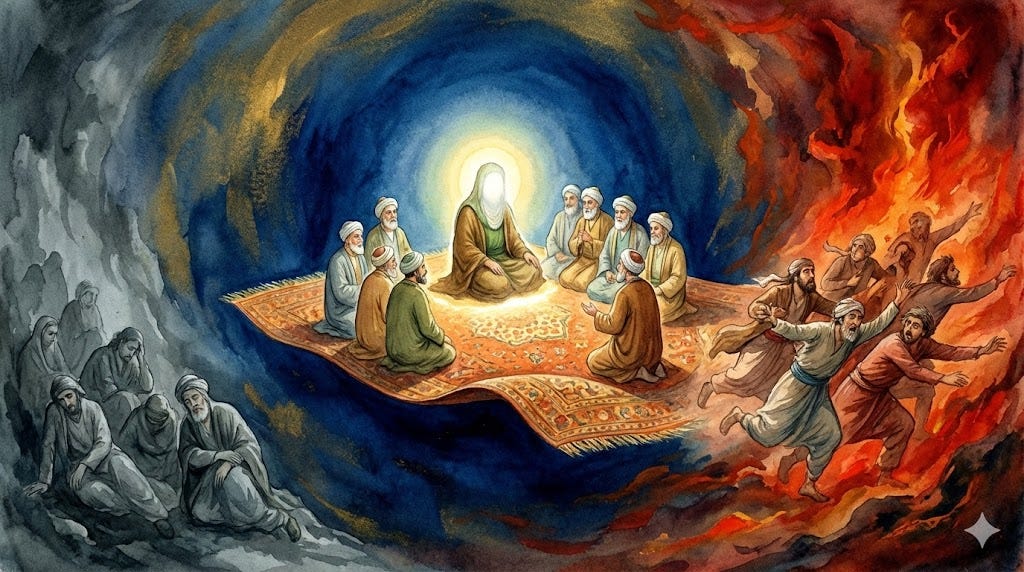
We then established the principle that would serve as a compass for the entire era.
In the chaos of the Occultation, two groups perished.
The first were those who rushed ahead—who could not bear the waiting, who launched uprisings without the Imam’s permission, who decided they would force the hand of history.
These were the Extremists (Ghulat), the hasty revolutionaries who overshot the mark.
The second were those who fell behind—who surrendered to despair, who said
“the Imam is gone, so what is the point?”
and abandoned practice, community, and hope.
These were the Laggards (Muqassirun), the fatalists who never reached the mark at all.
Both perished.
Both missed the path.
But between them stood a third group—holding the ground, neither retreating nor recklessly charging.
The Quran names them:
Ummatan Wasata—a Middle Nation.
And Imam Ali, peace be upon him, crystallised this into one of the most profound metaphors in Islamic literature:
نَحْنُ النُّمْرُقَةُ الْوُسْطَى، بِهَا يَلْحَقُ التَّالِي، وَإِلَيْهَا يَرْجِعُ الْغَالِي
“We are the Middle Cushion (Al-Numruqah al-Wusta). The laggard must catch up to it, and the extremist must return to it.”
— Nahjul Balaghah, Saying #109
The Imams are the centre. The axis. All positions are defined in relation to them.
The Purpose: Tamhis — The Divine Sifting
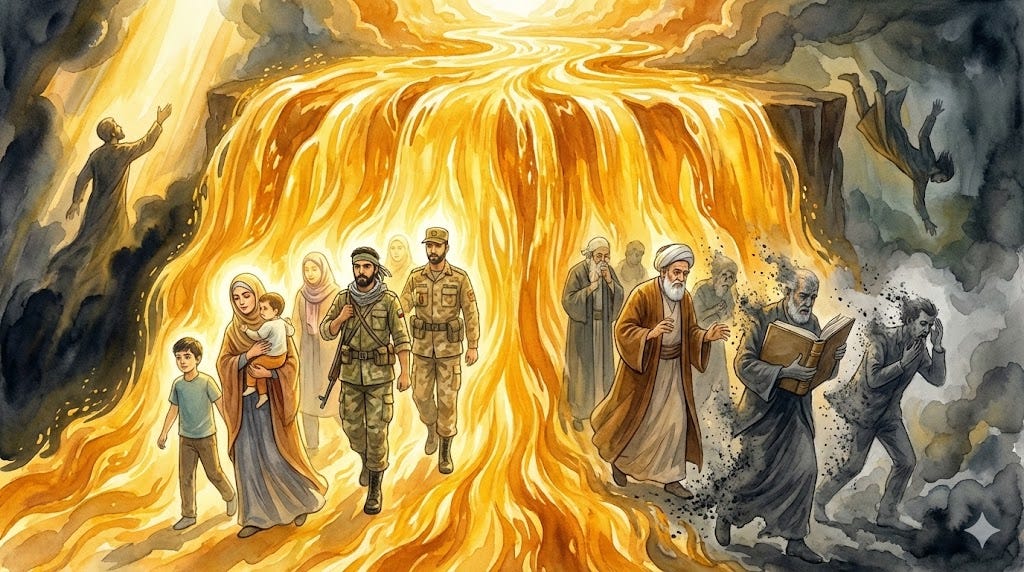
We then examined why God ordained this confusion.
The answer is found in a word that appears repeatedly in the narrations: Tamhis—purification, sifting, the separation of gold from dross.
Imam al-Sadiq, peace be upon him, warned:
هَيْهَاتَ هَيْهَاتَ! لَا يَكُونُ مَا تَمُدُّونَ إِلَيْهِ أَعْيُنَكُمْ حَتَّى تُغَرْبَلُوا، لَا وَ اللَّهِ، وَ لَا يَكُونُ مَا تَمُدُّونَ إِلَيْهِ أَعْيُنَكُمْ حَتَّى تُمَحَّصُوا، لَا وَ اللَّهِ، وَ لَا يَكُونُ مَا تَمُدُّونَ إِلَيْهِ أَعْيُنَكُمْ حَتَّى تُمَيَّزُوا، لَا وَ اللَّهِ، وَ مَا يَكُونُ مَا تَمُدُّونَ إِلَيْهِ أَعْيُنَكُمْ إِلَّا بَعْدَ إِيَاسٍ، لَا وَ اللَّهِ، لَا يَكُونُ مَا تَمُدُّونَ إِلَيْهِ أَعْيُنَكُمْ حَتَّى يَشْقَى مَنْ شَقِيَ وَ يَسْعَدَ مَنْ سَعِدَ
“Far from it! Far from it! That which you turn your eyes towards [the Reappearance] will not occur until you are sifted (tugharbalu)! No, by God! That which you look forward to will not occur until you are purged (tumahhasu)! No, by God! It will not occur until you are distinguished (tumayyazu)! No, by God! It will not occur except after [a period of] despair! No, by God! It will not occur until the wretched become wretched [by their own choice] and the felicitous become felicitous.”
— Al-Kulayni, Al-Kafi, Volume 1, Page 370, Hadith #2
— Al-Nu’mani, Kitab al-Ghaybah, Chapter 12, Hadith #16
Three verbs.
Three stages of the same process.
The Reappearance is not a gift given to the unprepared.
It is a trust given to those who have proven themselves worthy.
And the proof of worthiness is not comfort—it is trial.
We applied this principle to the present age.
The Tamhis burns in Gaza, where a people face extermination and do not surrender.
It burns in Lebanon, where the Resistance has faced blow after blow—the assassination of Sayyed Hassan Nasrallah, Sayyed Hashem Safieddine, commander after commander—and the chain has not broken.
It burns in the threats against the Wali al-Faqih, which expose not only the arrogance of the enemy but the character of those who watch.
We examined Aaron Bushnell—the American serviceman who set himself on fire rather than remain complicit in genocide—and Renee Nicole Good—the mother killed by ICE for the crime of watching.
Neither was Muslim.
Yet both passed the test that many who carry the name “Muslim” will fail.
And we examined those who failed—the scholars with hundreds of years of collective learning who could not bring themselves to refute a document that twisted the Quran to serve oppressors.
Who attacked a weak personality instead of defending the Book of God.
Who chose the safety of silence over the risk of truth.
The lesson of Hur and Shimr was invoked:
Shimr had fought for Imam Ali at Siffin—and ended by severing the head of Imam Husayn.
Hur had blocked Imam Husayn’s path—and ended as a martyr in his service.
The Tamhis does not ask how you began.
It asks how you end.
The Intellectual Rescue: The Pen as Saviour
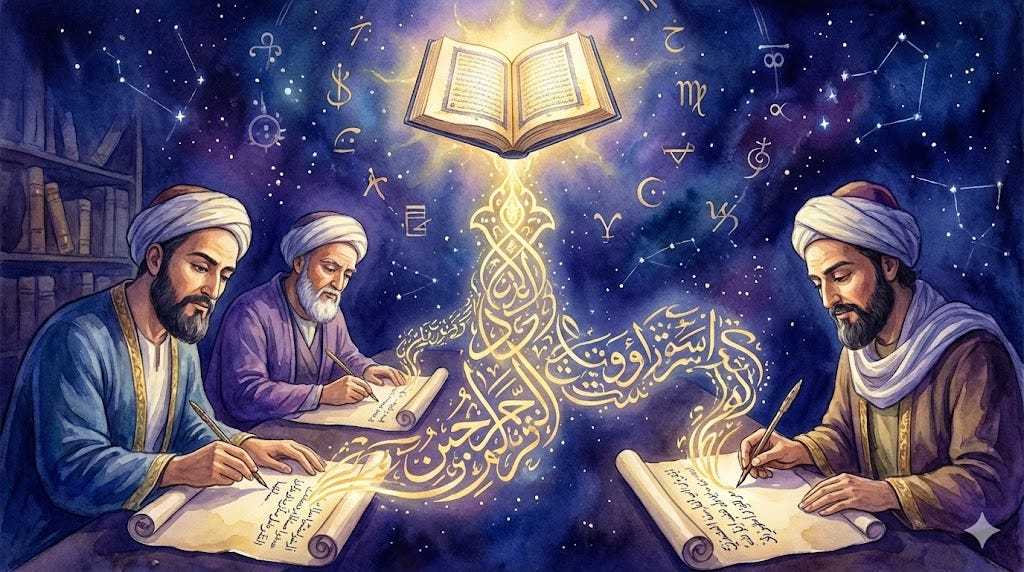
Finally, we examined how the community survived.
When the living voice was silenced, the written word became the lifeline.
Shaykh al-Saduq saw the Imam in a dream and was commanded to write.
And because he wrote, we have Kamal al-Din.
Because Shaykh Al-Nu’mani wrote, we have Kitab al-Ghaybah.
Because Shaykh Al-Kulayni wrote, we have Al-Kafi.
We invoked Ayatullah Misbah-Yazdi’s distinction between the Hardware and Software of civilisation.
The Hardware—the living, breathing, visible Imam—is hidden.
But the system does not crash.
We switch to running on the Divine Software: the books, the narrations, the compiled wisdom, the legal rulings that the Imams left behind.
And we returned to the Hadith of the Two Weighty Things:
اَلنَّبِيُّ صَلَّى اللهُ عَلَيْهِ وَآلِهِ قَالَ: إِنِّي تَارِكٌ فِيكُمُ الثَّقَلَيْنِ: كِتَابَ اللهِ وَعِتْرَتِي أَهْلَ بَيْتِي، مَا إِنْ تَمَسَّكْتُمْ بِهِمَا لَنْ تَضِلُّوا بَعْدِي أَبَدًا، وَإِنَّهُمَا لَنْ يَفْتَرِقَا حَتَّى يَرِدَا عَلَيَّ الْحَوْضَ
The Prophet (peace and blessings be upon him and his family) said: “I am leaving among you two weighty things (Thaqalayn): the Book of God and my progeny, my Ahl al-Bayt. As long as you hold fast to them, you will never go astray after me, ever. And indeed, they will never separate from one another until they come to me at the Pond (of Kawthar).”
— Al-Kulayni, Al-Kafi, Volume 1, Page 294
— Al-Saduq, Uyun Akhbar al-Ridha, Volume 1, Page 212
— Al-Majlisi, Bihar al-Anwar, Volume 23
The Quran remained.
But without the scholars who preserved the teachings of the Ahl al-Bayt, we would have lost the interpretive key that unlocks it.
We would have had half a religion—and a half-religion cannot guide.
The scholars saved the religion.
They preserved the second Thiqal.
And because of them, when we reach for the teachings of the Ahl al-Bayt, our hands do not grasp at empty air.
The Question That Remained
But we left a question unanswered.
We spoke of how the community survived—through patience, through scholarship, through the preservation of the Text.
We did not speak of how they lived.
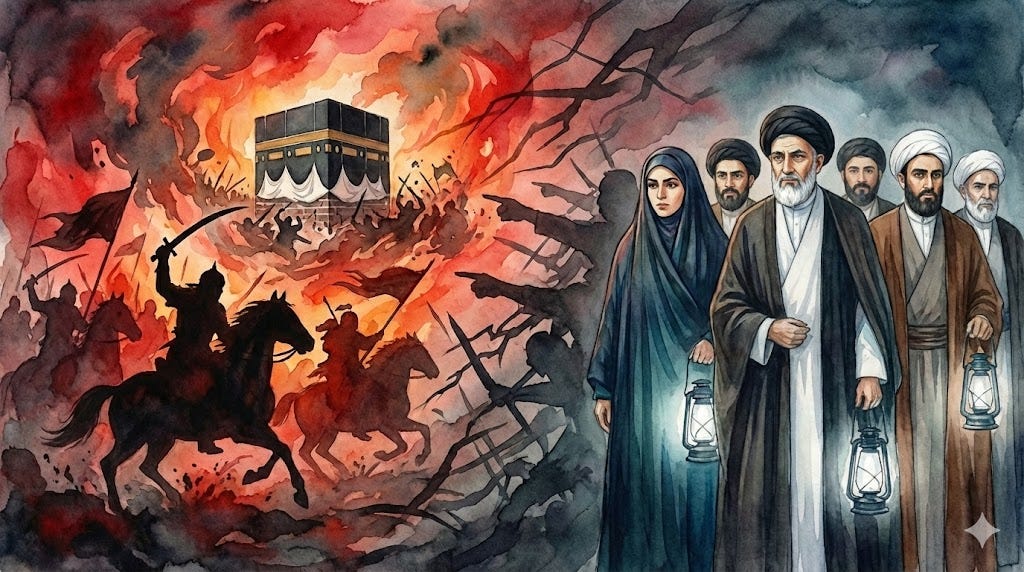
For the Twelvers were not the only ones responding to the crisis of the Occultation.
The Zaydis raised banners and established states by the sword.
The Ismailis went further—the Qarmatians attacked Makkah itself, slaughtered pilgrims, and stole the Black Stone.
And the Twelvers watched.
They waited.
They were called cowards, quietists, accused of abandoning the struggle.
Were these accusations true?
Or was there a deeper wisdom?
This is the question we take up tonight.
Mahdawiyyah (The Culminating Guidance) - The Era of Establishment - The Geopolitics of Waiting - The False Dawn
The False Dawn — The Theology of Premature Uprising
The Quranic Anchor: The Flaw of Haste
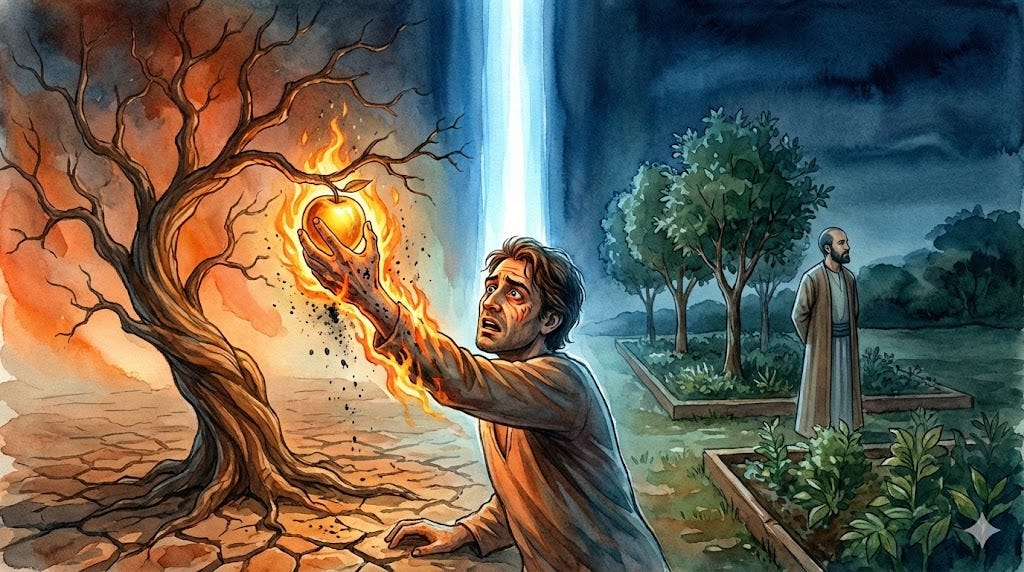
Before we examine the history, we must first anchor ourselves in the Quran.
There is a flaw written into the human soul — a flaw that the Divine Word names and diagnoses with surgical precision:
وَيَدْعُ الْإِنسَانُ بِالشَّرِّ دُعَاءَهُ بِالْخَيْرِ ۖ وَكَانَ الْإِنسَانُ عَجُولًا
“And man supplicates for evil as eagerly as he supplicates for good, and man is ever hasty (‘Ajūlā).”
— Quran, Surah Al-Isra (the Chapter of the Night Journey) #17, Verse 11
‘Ajūlā — hasty, impatient, rushing.
This is not a minor observation.
It is a diagnosis of human nature itself.
Allamah Tabatabai, in Al-Mizan, unpacks the psychology behind this verse:
وَكَانَ الْإِنْسَانُ عَجُولًا... أَيْ إِنَّهُ لِمُبَالَغَتِهِ فِي حُبِّ نَفْسِهِ وَمَا يَهْوَاهُ، يُبَادِرُ إِلَى كُلِّ مَا سَنَحَ لَهُ وَلَاحَ فِي نَظَرِهِ أَنَّهُ خَيْرٌ وَنَفْعٌ، وَلَا يَتَأَنَّى فِي ذَلِكَ لِيَتَبَيَّنَ لَهُ هَلْ هُوَ خَيْرٌ بِالْحَقِيقَةِ أَمْ شَرٌّ... وَهَذَا مِنْ جَهْلِهِ.
“’And man is ever hasty’... meaning that due to his excessive self-love and desire, he rushes towards whatever presents itself and appears to him as good or beneficial. He does not wait (La Yata’anna) to clarify whether it is truly good in reality or actually evil... and this is born of his ignorance.”
— Allamah Tabatabai, Al-Mizan fi Tafsir al-Quran, Volume 13, Page 53
This is the frame for everything that follows tonight.
The hasty man sees a glimmer on the horizon and runs toward it, convinced it is the dawn.
He does not wait to see if the light will spread or fade.
He does not consult the guides who have walked this path before.
He rushes — and in his rushing, he often runs straight into destruction.
The Qarmatians were ‘Ajūl.
They saw “Revolution” and thought it was Good — but because it was premature and lacked the Infallible’s sanction, it became Evil.
The Zaydis were ‘Ajūl.
They saw tyranny and could not bear to wait — and their noble blood watered the earth without achieving the goal.
Imam Ali, peace be upon him, warned of precisely this tendency:
مَنْ طَلَبَ الثَّمَرَةَ فِي غَيْرِ أَوَانِهَا كَانَ كَالزَّارِعِ فِي غَيْرِ أَرْضِهِ
“The one who seeks the fruit before its time is like one who farms in another’s land.”
— Nahj al-Balaghah, Saying #403
The fruit will not come early because we are impatient.
The land will not yield because we planted in the wrong season.
The True Dawn does not arrive because we mistake the False Dawn for it.
This is the lesson we must carry as we examine the two archetypes of failure that emerged in the early Occultation:
Heresy (the Qarmatians) and Prematurity (the Zaydis).
Both were hasty.
Both saw a glimmer and ran toward it.
Both burned.
The Metaphor of the Two Dawns
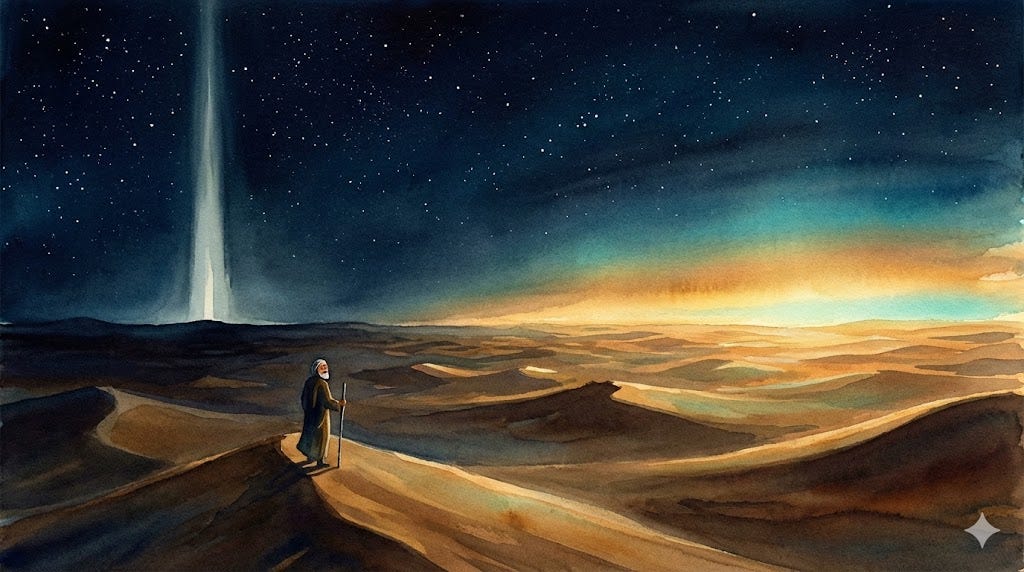
In the desert, before the true sunrise, there is a deception.
Those who have watched the horizon in the final hours of night know this phenomenon well.
A vertical column of light appears — pale, ghostly, reaching upward like a tower.
The uninitiated traveller sees it and thinks:
The dawn has come. The light is here.
But the light fades.
The column dissolves into darkness, and the night reasserts itself, colder than before.
The Arabs call this the Fajr al-Kadhib — the False Dawn, the Lying Dawn. It is light without substance, promise without fulfilment.
Only later — sometimes much later — does the Fajr al-Sadiq appear: the True Dawn, the Truthful Dawn.
This light does not rise vertically like a pillar; it spreads horizontally across the entire horizon, turning the sky from black to blue to gold.
It cannot be mistaken.
It cannot fade.
It is the light that brings the day.
This is our frame tonight.
The Major Occultation was - indeed is, among other things, a test of discernment.
When the gates closed in 329 AH, the community was plunged into a long night.
And in that night, lights appeared on the horizon — movements, uprisings, claims of salvation.
The question that faced every believer was the question that faces every traveller in the desert:
Is this the True Dawn, or will it fade into darkness?
The Heretical Model: The Qarmatian Catastrophe
Let us begin with the darkness.
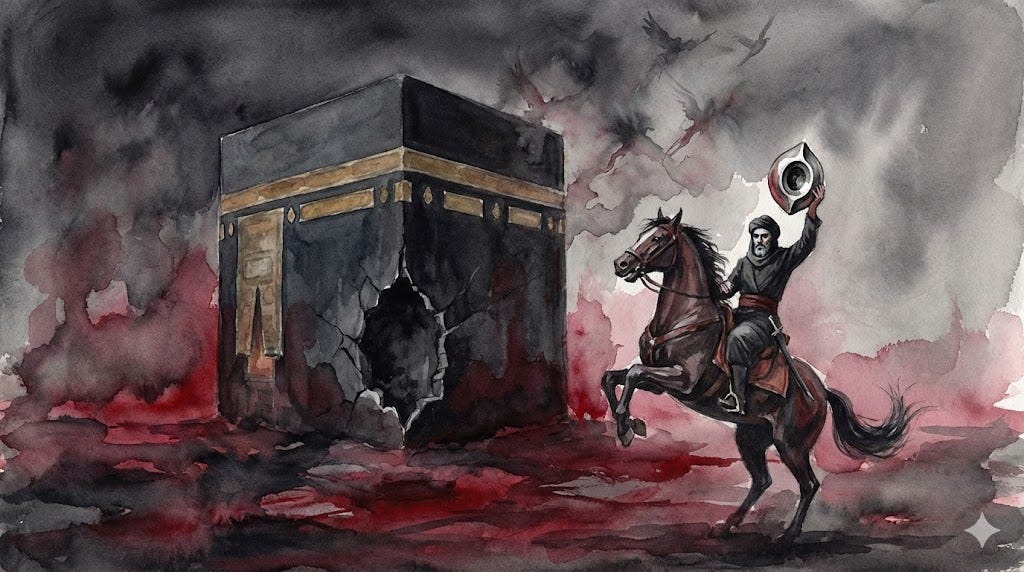
In the year 317 of the Hijrah — approximately 930 of the Common Era — a man named Abu Tahir al-Jannabi led an army into the holiest city on earth.
He came during the Hajj, when the pilgrims were at their most vulnerable, gathered in devotion around the House that Prophet Ibrahim had built.
What followed was not war.
It was desecration.
The Qarmatians — a radical offshoot of the Ismaili movement — fell upon the pilgrims with swords drawn.
They slaughtered approximately thirty thousand men, women, and children within the precincts of the Haram.
They did not distinguish between the praying and the fleeing, the old and the young.
The streets of Makkah ran with blood, and when the killing was done, they dragged the bodies of the faithful and cast them into the Well of Zamzam — that blessed spring that had sustained Hajar and Isma’il, that had quenched the thirst of pilgrims for millennia — filling it with corpses until the water was poisoned.
But the Qarmatians had not come merely to kill.
They had come to make a theological statement.
Abu Tahir ordered the Black Stone — the Hajar al-Aswad, the sacred cornerstone of the Kabah, the stone that had been kissed by the Prophet, peace be upon him and his family, the stone that marked the starting point of every tawaf (circumambulation) since the time of Ibrahim — to be uprooted.
A man stepped forward with a heavy iron club and struck it, shattering it into fragments.
And as he struck, he mocked the Quran itself:
“Where are the birds of Ababil? Where are the stones of baked clay?”
He was referring to Surah al-Fil — the chapter that commemorates how God had destroyed the army of Abraha when they had come to destroy the Ka’bah with an army of elephants.
He was saying:
Your God did not protect His house then, and He does not protect it now.
Your scripture is a lie.
And then Abu Tahir himself ascended the threshold of the Ka’bah — the House of God, the qiblah of every Muslim on earth — and he recited poetry that revealed the true nature of what the Qarmatians had become:
أَنَا بِاللَّهِ وَبِاللَّهِ أَنَا ... يَخْلُقُ الْخَلْقَ وَأُفْنِيهِمْ أَنَا
“I am by God, and God is by me... He creates the creation, and I annihilate them.”
— Ibn Kathir, Al-Bidaya wa al-Nihaya, Volume 11, Events of 317 AH
This was not revolution.
This was not even rebellion.
This was the claim of divinity — the collapse of the distinction between Creator and creature, the declaration that a human being had become the instrument of cosmic destruction, equal to God Himself in the power to unmake what God had made.
The Qarmatians took the Black Stone with them when they left.
They carried it to their capital in al-Ahsa, in eastern Arabia, and they kept it for twenty-two years.
The Abbasid Caliphate offered ransoms of up to fifty thousand dinars for its return.
The Qarmatians refused.
When asked why they had taken it, they replied with a note that dripped with false piety:
أَخَذْنَاهُ بِأَمْرٍ، وَرَدَدْنَاهُ بِأَمْرٍ
“We took it by command, and we returned it by command.”
— Ibn al-Athir, Al-Kamil fi al-Tarikh, Volume 7, Page 188 (Events of the Year 339AH)
They claimed to be acting on the orders of the Hidden Mahdi.
They claimed that their massacre, their desecration, their theft of the most sacred relic in Islam, was all part of a divine plan.
This is what heresy looks like when it wears the mask of revolution.
The Theological Diagnosis: Batinism and the Destruction of the Shell
How does a movement that claims to love the Ahl al-Bayt end up slaughtering pilgrims in the Haram?
How does a group that speaks of justice end up filling the well of Zamzam with corpses?
The answer lies in a theological error so seductive, so seemingly spiritual, that it has reappeared in every century since — wearing different clothes, speaking different languages, but always leading to the same destination.
The Qarmatians were Batinists.
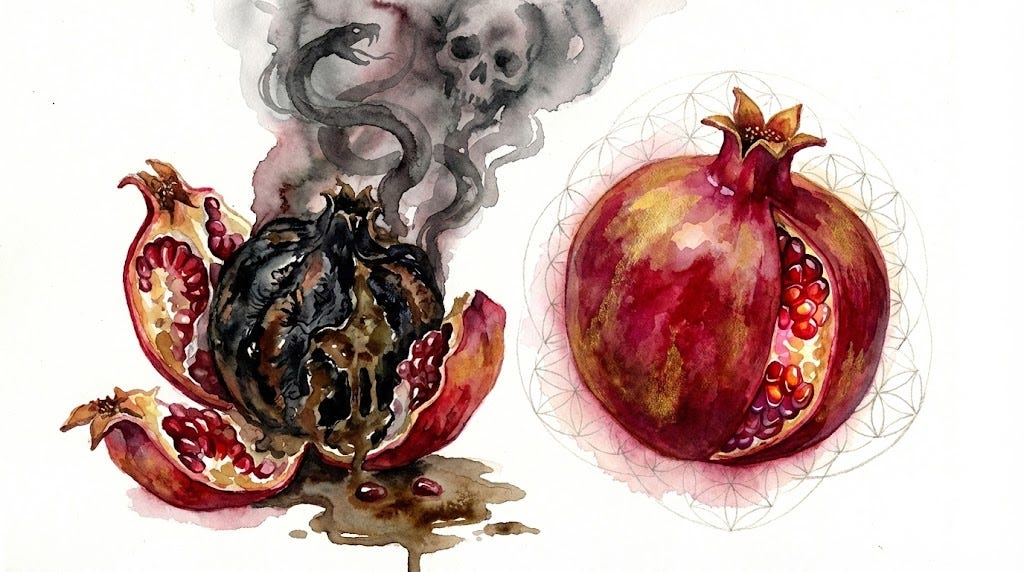
They believed that the religion had two layers: the Dhahir — the outward, the exoteric, the law — and the Batin — the inward, the esoteric, the truth.
So far, this is not controversial; every Muslim acknowledges that the Quran has depths beyond its surface meaning, that the Shariah points toward realities that transcend its literal commands.
But the Qarmatians took this further.
They believed that the Batin — the inner truth — abrogated the Dhahir.
They believed that once you had grasped the esoteric meaning, the exoteric law became obsolete.
Prayer, fasting, pilgrimage, the prohibitions of the Shariah — all of these were chains for the ignorant masses, shells to be discarded once the kernel had been extracted.
And so they discarded them.
They abandoned the prayers.
They violated the fast.
They declared the sacred profane and the profane sacred.
And when they attacked Makkah, they were not merely making a political statement — they were declaring that the era of the Shariah was over, that the “inner truth” had been revealed, and that all the “outer forms” of Islam were now meaningless.
The great philosopher-martyr Ayatullah Murtadha Mutahhari — identified this as the most dangerous idea ever to infiltrate Islamic thought.
In his work Islam and the Requirements of Time, he writes:
این فکر انحرافی که «مغز را بگیر و پوست را رها کن» ... بزرگترین ضربه را به اسلام زد. مگر میشود مغز را بدون پوست نگه داشت؟ اگر پوستِ یک میوه را بکنید و آن را در هوای آزاد بگذارید، مغز آن فاسد میشود. احکام و ظواهر شرعی به منزلهی پوست است که حافظ آن مغز و روح است. کسانی که به بهانهٔ باطن، ظاهر را رها کردند، در نهایت باطن را هم از دست دادند.
“This deviant idea of ‘Take the kernel and discard the shell’... struck the greatest blow to Islam. Is it possible to preserve the kernel without the shell? If you peel a fruit and leave it in the open air, its kernel will rot. The laws and outward forms of the Sharia act as the shell that protects that kernel and spirit. Those who abandoned the outward form (Zahir) under the pretext of the inner meaning (Batin) ultimately lost the inner meaning as well.”
— Ayatullah Murtadha Mutahhari, Islam va Moqtaziyat-e Zaman (Islam and the Requirements of Time), Volume 1, Page 237
This is the metaphor we must hold in our minds: the shell and the kernel, the qishr and the lubb.
The Qarmatians believed they were liberating the kernel — the “true” Islam of justice and equality — from the shell of “mere” ritual and law.
But Shaheed Mutahhari points out the obvious: you cannot preserve a kernel by destroying its shell.
The shell exists to protect the kernel.
Remove it, and the kernel rots.
The laws of the Shariah are not obstacles to spiritual truth.
They are the vessels that carry spiritual truth through time.
The prayer is not a chain on the mystic; it is the discipline that keeps the mystic connected to the Divine.
The fast is not a burden on the seeker; it is the training that purifies the seeker’s soul.
The pilgrimage is not a relic of a primitive age; it is the gathering that reminds the Ummah of its unity and its purpose.
This is precisely what happened to the Qarmatians.
They claimed to possess the “inner truth” — but what was their inner truth?
Murder.
Desecration.
The claim of divinity.
The filling of the well of Zamzam with corpses.
When you strip away the Shariah, you do not find a purer Islam underneath.
You find nothing — or worse, you find the ego in all its ugliness, dressed up in the language of spirituality.
Eclecticism: The Virus That Keeps Returning
Ayatullah Muhammad Taqi Misbah-Yazdi — approached this same phenomenon from a different angle.
Where Shaheed Mutahhari focused on the philosophical error, Ayatullah Misbah-Yazdi focused on the methodology of corruption.
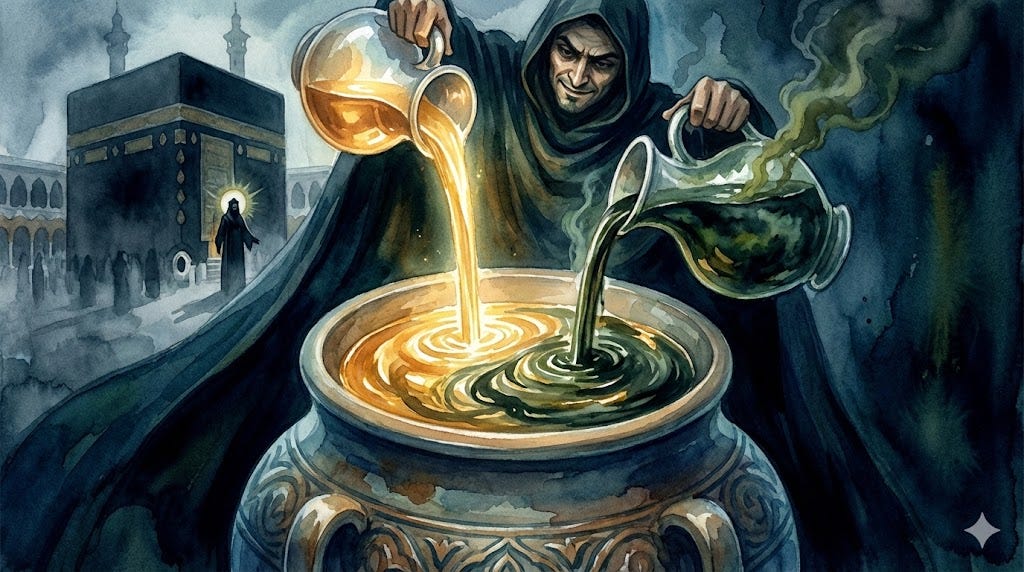
He called it Iltiqat — Eclecticism.
The mixing of truth and falsehood.
The blending of Islam with alien ideologies until the original is unrecognisable.
In his lecture series In the Light of Guardianship, he states:
خطرناکترین توطئه علیه اسلام، «التقاط» است. التقاط یعنی آمیختن حق و باطل. امیرالمؤمنین (ع) فرمود: «لَوْ أَنَّ الْبَاطِلَ خَلَصَ مِنْ مِزَاجِ الْحَقِّ لَمْ يَخْفَ عَلَى الْمُرْتَادِينَ». اگر باطل خالص بود، مردم میفهمیدند و طرد میکردند. اما فتنهگران، اندکی از حق را با اندکی از باطل مخلوط میکنند... قرامطه و منافقین جدید نیز همین کار را کردند; لعابی از اسلام بر افکار کفرآمیز خود کشیدند.
“The most dangerous conspiracy against Islam is Eclecticism (Iltiqat). Eclecticism means mixing Truth and Falsehood. The Commander of the Faithful (Ali) said: ‘If Falsehood were purified from the mixture of Truth, it would not be hidden from seekers.’ If Falsehood were pure, people would recognise it and reject it. But the seditionists mix a little Truth with a little Falsehood... The Qarmatians and the modern Hypocrites did exactly this; they coated their blasphemous thoughts with a glaze of Islam.”
— Ayatullah Muhammad Taqi Misbah-Yazdi, Lecture Series: Dar Partow-e Velayat (In the Light of Guardianship), “Roots of Deviation” (Risheh-haye Enheraf), Imam Khomeini Education and Research Institute, Qom
The Qarmatians did not announce themselves as enemies of Islam.
They claimed to be its truest followers.
They spoke of justice for the oppressed — and who could argue with that?
They spoke of the Ahl al-Bayt — and what believers heart does not stir at that name?
They spoke of the coming of the Mahdi — and is that not our deepest hope?
But underneath the glaze was something else entirely.
Underneath was Greek philosophy mixed with Zoroastrian dualism.
Underneath was the rejection of the Prophet’s Shariah.
Underneath was the elevation of human reason — or human desire — above Divine Revelation.
And so they ended up where all such movements end: standing on the threshold of the Ka’bah, claiming to be God.
The Three Placements: Power Does Not Equal Authority
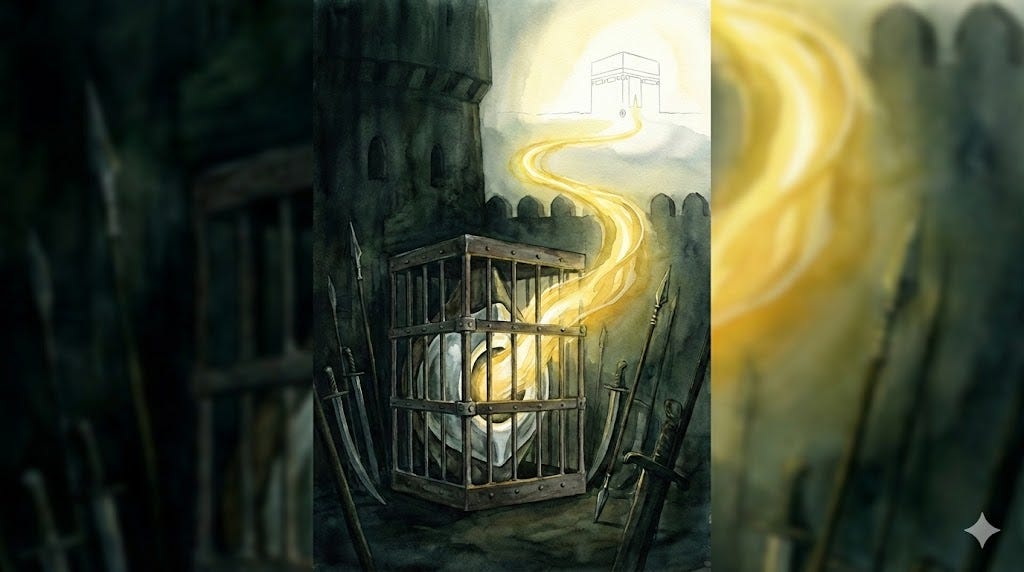
But here is what we want to make clear tonight.
Here is the proof that distinguishes raw power from Divine authority.
The Qarmatians had the Black Stone for twenty-two years.
Twenty-two years!
They had seized it by force.
They had the military power to take it and the military power to keep it.
By any worldly measure, the Stone was theirs.
But the Stone is not merely a rock.
It is the Covenant — the symbol of the agreement between God and humanity, the marker of the qiblah, the point of orientation for every Muslim on earth.
And the question that history answered was this: Can those who possess the Covenant by force also possess its authority?
The answer, demonstrated three times in Islamic history, is: No.
The First Placement: The Prophet Before His Mission
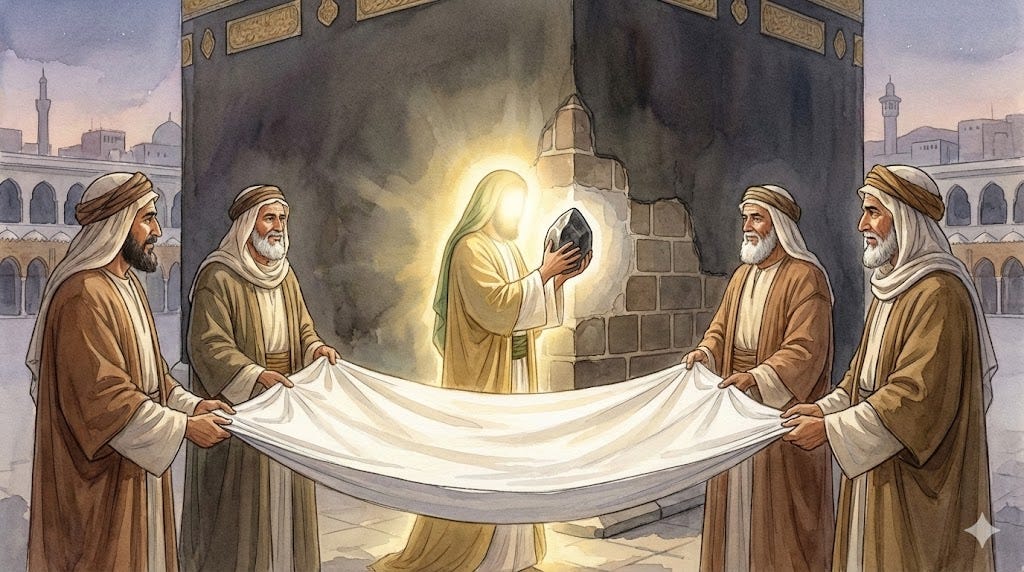
Before Prophet Muhammad, peace be upon him and his family, received the revelation — when he was still known simply as al-Amin, the Trustworthy — the Quraysh rebuilt the Kaaba after a flood had damaged it.
When the time came to place the Black Stone back in its corner, a dispute arose.
Each tribe wanted the honour.
Swords were drawn.
War seemed inevitable over this single act.
They agreed to let the first person who entered the precinct decide the matter.
It was Prophet Muhammad.
His solution was diplomatic: he placed the Stone on a cloth and had each tribe hold a corner, lifting it together.
But when they reached the wall, when the moment came to actually set the Stone in its place — he placed it with his own hand.
The historian Ibn Hisham records:
حَتَّى إِذَا بَلَغُوا بِهِ مَوْضِعَهُ، وَضَعَهُ هُوَ بِيَدِهِ
“When they reached its place, he placed it with his own hand.”
— Ibn Hisham, Al-Sirah al-Nabawiyyah, Volume 1, Page 197
The tribes could build the walls.
They could quarrel over the honour.
They could lift the cloth together.
But they could not place the Stone.
That act — the act of stabilising the Covenant — required the hand of the one whom God had chosen.
The Second Placement: Imam Sajjad and the Umayyads
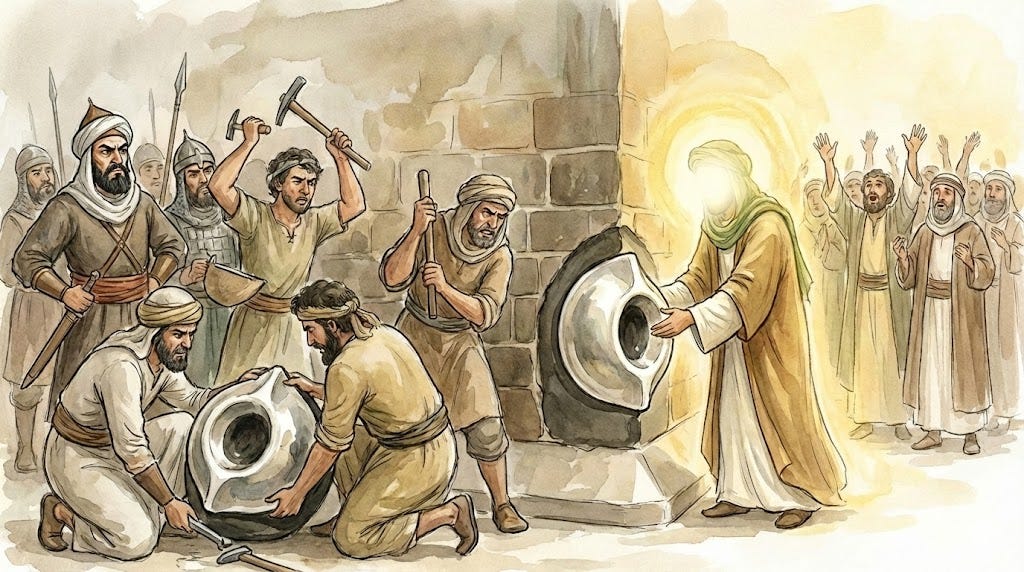
In the year 73 AH, the tyrant al-Hajjaj ibn Yusuf — the butcher of the Umayyads — besieged Makkah to crush the rebellion of Abdullah ibn al-Zubayr.
He bombarded the Ka’bah with catapults.
He set it on fire.
And when the fighting was done, he rebuilt it — or tried to.
When the time came to place the Black Stone, it would not settle.
Every time the workers positioned it, it wobbled, swayed, and fell.
They brought scholars.
They brought engineers.
They tried plaster and mortar.
Nothing worked.
Then Ali ibn al-Husayn — Imam Zayn al-Abideen, Imam al-Sajjad, peace be upon him — arrived.
The historical record tells us what happened:
فَجَاءَ عَلِيُّ بْنُ الْحُسَيْنِ (ع) وَأَخَذَهُ وَسَمَّى اللَّهَ وَوَضَعَهُ فَاسْتَقَرَّ، وَكَبَّرَ النَّاسُ
“Then Ali ibn al-Husayn, peace be upon him, came, took it, mentioned the name of God, and placed it, and it settled firmly. The people cried ‘Allahu Akbar’. (God is the Greatest)”
— Ibn Shahr Ashub, Manaqib Aal Abi Talib, Volume 4, Page 172;
— Al-Majlisi, Bihar al-Anwar, Volume 46, Page 122
Al-Hajjaj had the army.
Al-Hajjaj had the catapults.
Al-Hajjaj had the political power to destroy the Ka’bah and rebuild it according to his own design.
But he did not have the authority to stabilise the Covenant.
The Stone rejected his hand — and accepted only the hand of the Imam.
The Third Placement: Imam Mahdi and the Qarmatian Return
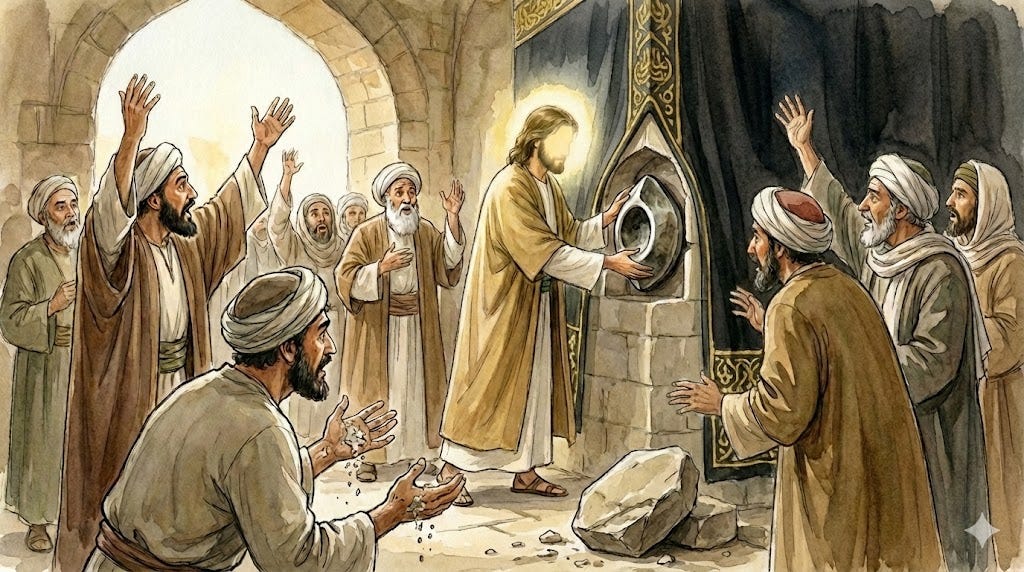
And now we come to the return.
In 339 AH — after twenty-two years — the Qarmatians finally brought the Black Stone back.
They did not do so out of repentance.
They did so because the Fatimid Caliph al-Mansur had threatened war against them, and because the Stone, separated from its place, served no purpose.
It was just a rock in their treasury — valuable as a hostage, worthless as a symbol.
They brought it to the Mosque of Kufa, and the scholars and judges gathered to witness its restoration.
But there was a problem.
When they tried to place it, it would not settle.
Shaykh al-Tusi records the account in Kitab al-Ghaybah, narrated by the great scholar Ibn Qulawayh:
A man stepped forward — a scholar, apparently — with plaster and perfume on his hands, the marks of piety.
He took the Stone and placed it.
It fell.
He tried again.
It fell again.
The plaster crumbled.
And then a young man stepped forward.
Handsome.
Unknown.
He took the Stone, placed it, and it settled firmly.
The people roared with takbir.
Ibn Qulawayh followed the young man.
He heard him say:
فَسَمِعْتُهُ يَقُولُ: بِاللَّهِ أَتَانَا، وَبِاللَّهِ يُوضَعُ، وَعَلَى هَذَا وُضِعَ
“I heard him say: ‘By God it came to us, and by God it is placed, and upon this authority it is established.’”
— Al-Tusi, Kitab al-Ghaybah, Hadith 257, Page 309
The young man was the Imam al-Mahdi, may our souls be his ransom, appearing briefly during his Occultation to perform an act that no one else could perform.
This is the test that every False Dawn fails.
The Qarmatians could displace the Stone — but they could not make it mean anything.
They could seize the symbol — but they could not wield its authority.
And so they returned it, defeated not by armies but by the nature of reality itself.
The Lesson: The Architects of Chaos Cannot Stabilise
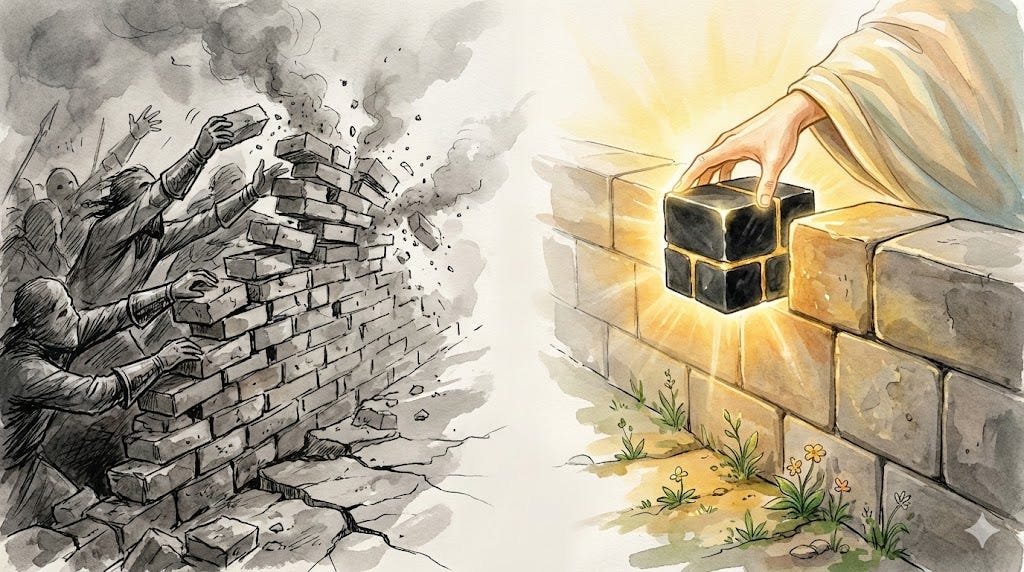
Do we see the pattern?
The Quraysh could build the walls of the Ka’bah, but they could not place its Heart.
Al-Hajjaj could conquer Makkah with catapults, but the Stone rejected his hand.
The Qarmatians could steal the Stone for twenty-two years, but they had to return it — because it served them no purpose.
They could not make it mean anything.
They could not stabilise the Covenant.
This is the theological truth that underlies all of history: the Architects of Chaos can displace reality, but they cannot stabilise it.
They can uproot.
They can steal.
They can bomb and burn and slaughter.
But they cannot build — not in any lasting sense.
They cannot create the order that allows civilisation to flourish.
They cannot establish the justice that allows souls to grow.
They can only destroy — and then, eventually, they destroy themselves.
The Qarmatians held the Stone for twenty-two years, and what did they build?
Nothing that lasted.
Their state collapsed into internal strife.
Their ideology devoured its own children.
They are remembered today only as a warning, a byword for extremism and sacrilege.
But the Imam — in one moment, with one act — restored what they had stolen.
Because authority does not come from the sword.
It comes from God. And God gives it to whom He wills.
The Premature Model: The Zaydi Dilemma
Now we turn to a different kind of False Dawn — not heresy, but prematurity.
Not the corruption of the goal, but the miscalculation of the timing.
Zayd ibn Ali was the son of Imam al-Sajjad, peace be upon him, and the brother of Imam al-Baqir, peace be upon him.
He was not a Qarmatian.
He did not seek to abolish the Shariah.
He did not claim divinity or fill wells with corpses.
He was, by all accounts, a righteous man, a scholar, a defender of the oppressed.
In the year 122 AH, he raised his sword against the Umayyad Caliph Hisham ibn Abd al-Malik.
He called the people to justice.
He called them to the family of the Prophet.
He called them to rise against tyranny.
And he was killed.
His body was exhumed by the Umayyads, crucified, and left to rot as a warning to others.
The question that has echoed through the centuries is this: Was his uprising right or wrong?
The Twelver Position: Intent vs. Mandate
The Zaydi school of thought — which takes its name from this man — answers without hesitation: Zayd was the Imam.
Anyone who rises with knowledge and the sword against tyranny is the Imam.
The criterion is action, not designation.
The Twelver school gives a more nuanced answer.
Imam Ja’far al-Sadiq, peace be upon him — Zayd’s nephew — was asked about his uncle after his martyrdom.
His response, recorded in Bihar al-Anwar, is a masterpiece of precision:
رَحِمَ اللَّهُ عَمِّي زَيْداً، إِنَّهُ دَعَا إِلَى الرِّضَا مِنْ آلِ مُحَمَّدٍ، وَ لَوْ ظَفِرَ لَوَفَى
“May God have mercy on my uncle Zayd. Indeed, he invited to ‘The Pleasing One from the Family of Muhammad,’ and had he been victorious, he would have fulfilled his promise.”
— Al-Majlisi, Bihar al-Anwar, Volume 46, Page 174
Notice what the Imam does here.
He validates Zayd’s intent.
Zayd was not calling people to himself; he was calling them to al-Rida min Al Muhammad — “the one who is pleasing from the family of Muhammad.”
This was a code phrase meaning: whoever among us is most worthy will lead.
Zayd was not claiming the Imamate for himself in the Twelver sense.
He was raising a banner against tyranny and promising to hand authority to whoever deserved it.
And the Imam says: had he been victorious, he would have kept that promise.
He was sincere.
He was righteous.
He was a martyr.
But — and here is the crucial distinction — he was not the Imam.
He did not have the Divine designation (nass) that passed from Imam Ali to Imam Hasan to Imam Husayn to Imam Sajjad to Imam Baqir to Imam Sadiq and so on.
He was a noble uncle, not the appointed guide.
And his uprising, though righteous in intent, was premature.
The capacity was not there.
The people were not ready.
The infrastructure of support had not been built.
And so he was betrayed — just as Imam Husayn had been betrayed, just as Muslim ibn Aqil had been betrayed, just as every leader who trusted the people of Kufa without verification had been betrayed.
Imam Khomeini’s Synthesis: Capacity, Not Pacifism
This brings us to a question that has haunted Shia political thought for centuries: Were the Imams pacifists?
The enemies of the Ahl al-Bayt have always mocked this. They say:
“Look at the Shia — they believe in twelve Imams, but only one of them ever fought!
The rest just sat in their houses, teaching hadith and staying out of politics.
They were cowards.
They were collaborators.
They accepted the rule of tyrants.”
This is a lie.
And Imam Khomeini — may God rest his pure soul — dismantled it completely.
In his lectures on the nature of the Islamic State, Imam Khomeini makes a distinction that changes everything:
آن که میگوید «دین از سیاست جداست» تکذیب خدا را کرده است... اگر ائمه (ع) قیام نکردند، چون قدرت نداشتند. اگر قدرت داشتند، واجب بود قیام کنند. قدرت نداشتن عذر است، اما اگر قدرت پیدا کردیم، تقیه حرام است.
“He who says ‘Religion is separate from Politics’ has denied God... If the Imams did not rise, it was because they did not have the power. If they had the power, it would have been obligatory for them to rise. Lacking power is an excuse, but if we acquire the power, Taqiyyah becomes forbidden.“
— Imam Khomeini, Sahifeh-ye Imam, Volume 21, Page 408
The Imams were not pacifists.
They did not reject governance.
They did not believe that Islam should stay out of politics.
What they lacked was not will — it was capacity.
The 250-Year-Old Person: One Strategy, Many Tactics
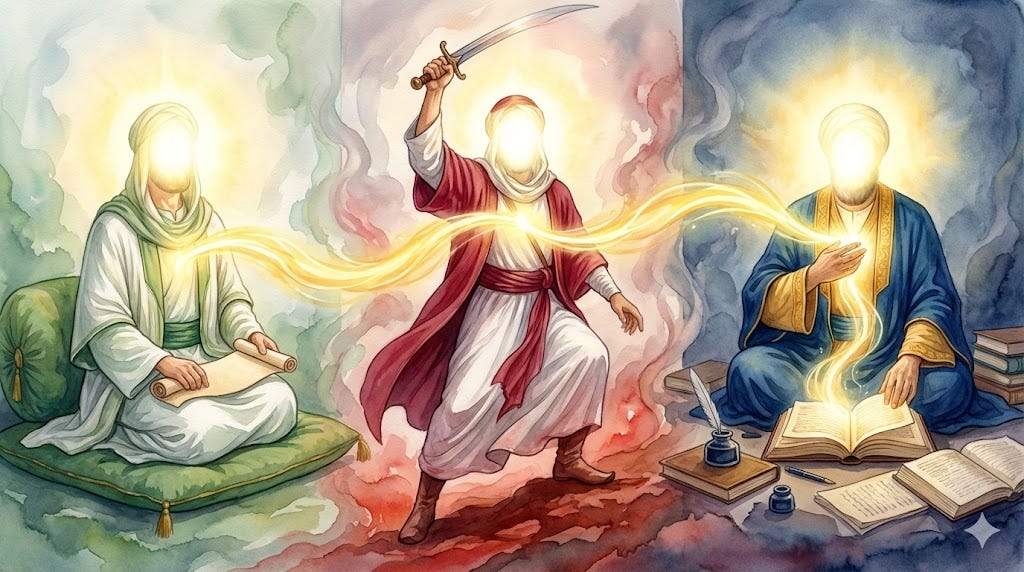
Imam Khamenei — may God protect him — developed this insight into a comprehensive framework that has formed the backbone of our series on Imamah — and continues to guide us here titled “The 250-Year-Old Person”:
زندگی ائمه (ع) ... یک حرکت مستمر و طولانی است... این بزرگواران یک واحدند، یک شخصیتاند... من این را «انسان ۲۵۰ ساله» نامیدهام. گاهی این انسان ۲۵۰ ساله در لباس «صلح» ظاهر میشود (امام حسن)، گاهی در لباس «شهادت» (امام حسین)، و گاهی در لباس «تلاش علمی» (امام صادق)... هدف یکی است: برپایی حکومت الله.
“The lives of the Imams... are one continuous, long movement... These great figures are a single unit, a single personality... I have named this ‘The 250-Year-Old Person.’ Sometimes this 250-year-old person appears in the guise of ‘Peace’ (Imam Hasan), sometimes in the guise of ‘Martyrdom’ (Imam Husayn), and sometimes in the guise of ‘Scientific Struggle’ (Imam Sadiq)... The goal is one: Establishing the Government of God.“
— Imam Khamenei, Insan-e 250 Saleh (The 250-Year-Old Person), Introduction
This is profound.
The twelve Imams are not twelve disconnected individuals with twelve different philosophies.
They are one continuous personality — one strategic vision — expressing itself through different tactics according to the demands of each era.
Imam Hasan made peace — not because he loved peace more than justice, but because the conditions demanded it.
Imam Sadiq built the scholarly infrastructure — not because he was less brave than his grandfather, but because the moment called for intellectual fortification rather than military confrontation.
And Imam Husayn rose in revolution — not because he was more reckless than his brother, but because Yazid had crossed a line that Muawiyah had not.
Why Imam Husayn Rose: The Line That Cannot Be Crossed
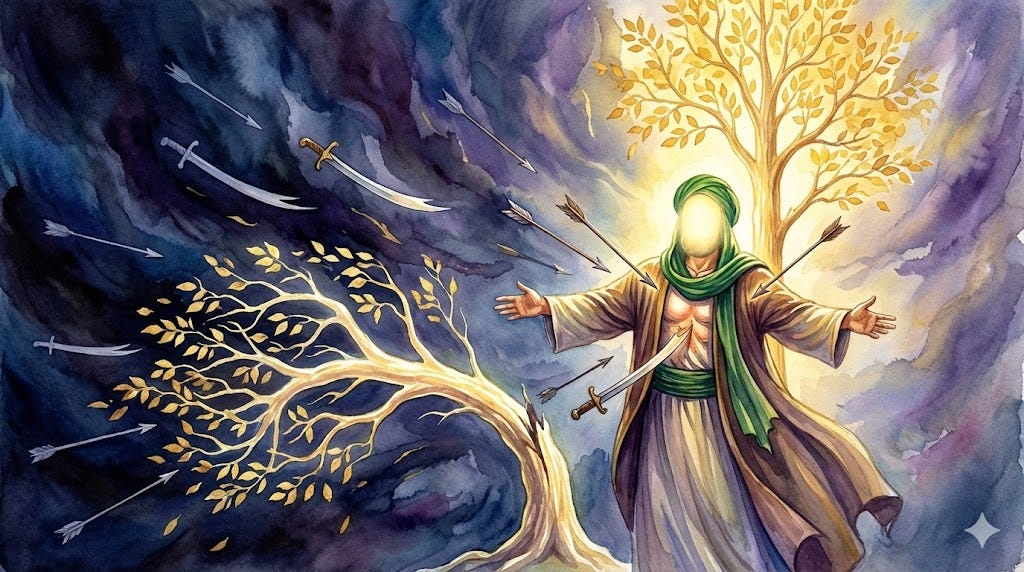
This brings us to the critical question: Why did Imam Husayn rise when Imam Hasan made peace?
The martyr Ayatullah Mutahhari answers with surgical precision:
تفاوت امام حسن و امام حسین در این بود: معاویه میخواست «اسلامِ اموی» بسازد، یعنی پوسته را نگه دارد و مغز را عوض کند. لذا صلح تاکتیکی ممکن بود. اما یزید میخواست «فاتحه اسلام» را بخواند. یزید آشکارا کفر میگفت. اینجا دیگر جای تقیه نیست؛ چون «اصل دین» در خطر است، نه «جان امام».
“The difference between Imam Hasan and Imam Husayn was this: Muawiyah wanted to build an ‘Umayyad Islam’ — meaning keeping the Shell but changing the Kernel. Thus, a tactical peace was possible. But Yazid wanted to read the ‘funeral prayer of Islam.’ Yazid openly spoke blasphemy. Here, there is no place for Taqiyyah anymore; because the ‘Core of Religion’ is in danger, not just the ‘Life of the Imam.’“
— Ayatullah Murtadha Mutahhari, Hamaseh-ye Husayni (The Husayni Epic), Volume 1
Do we see the distinction?
Muawiyah was a hypocrite.
He kept the outward forms of Islam — the prayers, the pilgrimage, the terminology — while hollowing out its substance.
He was changing the kernel while preserving the shell.
Against such an enemy, tactical patience was possible.
The shell, at least, remained intact; the community could survive within it, preserving the true kernel in secret, waiting for a better moment.
But Yazid was not a hypocrite.
He was an open blasphemer.
He mocked the Prophet.
He drank wine publicly.
He demanded not merely political submission but religious legitimisation — he demanded that the grandson of the Prophet publicly endorse his claim to lead the Ummah.
He was not content to change the kernel while keeping the shell; he wanted to destroy both.
Against such an enemy, Taqiyyah is not merely ineffective — it is forbidden.
Because Taqiyyah exists to protect the religion.
When the religion itself is being openly dismantled, when the very existence of Islam as a recognisable entity is under threat, then the Shield must be set aside and the Sword must be drawn.
This is why the Lisan al-Haal — the “Voice of the Condition” — attributed to Imam Husayn rings with such terrible clarity:
إِنْ كَانَ دِينُ مُحَمَّدٍ لَمْ يَسْتَقِمْ ... إِلَّا بِقَتْلِي يَا سُيُوفُ خُذِينِي
“If the religion of Muhammad cannot stand straight [survive/stabilise] ... except by my death, then O swords, take me!“
— Attributed as Lisan al-Haal (Voice of the Condition) to Imam Husayn; recorded in Diwan Abu al-Hubb al-Hwaizi
The religion could not “stand straight” — could not survive, could not stabilise — unless someone drew the line.
Unless someone said: This far, and no further.
Unless someone was willing to pay the ultimate price to demonstrate that there are limits that cannot be crossed, principles that cannot be negotiated, a kernel that cannot be surrendered even when the shell is shattered.
Imam Husayn was that someone.
And his revolution was not a failure of strategy.
It was the highest expression of strategy — the strategy of a 250-Year-Old Person who understood that some moments demand peace, some moments demand scholarship, and some moments demand blood.
The Lesson for Zayd — and for Us
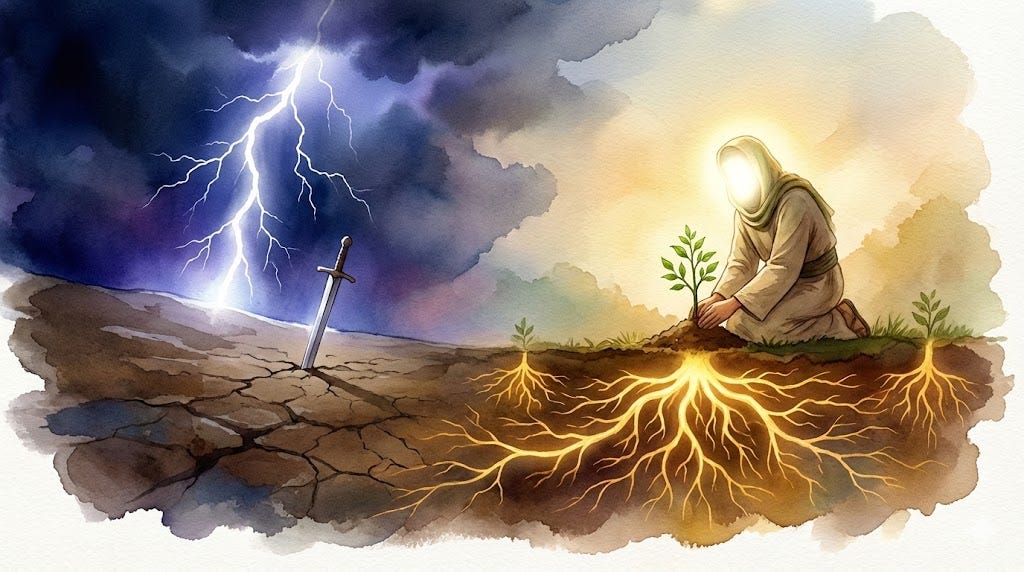
Now we can understand the Zaydi dilemma with greater clarity.
Zayd ibn Ali — may God bless his pure soul — saw tyranny and rose against it.
His heart was pure.
His courage was undeniable.
He was not wrong to hate the Umayyads.
But he miscalculated the moment.
The Umayyads of his time were not Yazid.
They were not openly dismantling Islam.
They were Muawiyah-style hypocrites — keeping the shell, corrupting the kernel.
Against such enemies, the 250-Year-Old Person had chosen the path of Imam Sadiq: scholarly fortification, the building of networks, the preservation of knowledge for the generations to come.
Zayd’s uprising, though noble in intent, was premature.
The capacity was not there.
The people were not ready.
The infrastructure of support had not been built.
And so he was betrayed — just as Imam Husayn had been betrayed, just as Muslim ibn Aqil had been betrayed, just as every leader who trusted the people of Kufa without verification had been betrayed.
This is the tragedy of the Premature Dawn: it wastes the blood of the righteous without achieving the goal.
The lesson is not that rising is always wrong.
The lesson is that the decision to rise must be calibrated to the moment — and that calibration requires wisdom, patience, and submission to those who carry the Divine mandate to make such judgments.
The Modern Application: Reactionary Noise vs. Revolutionary Silence
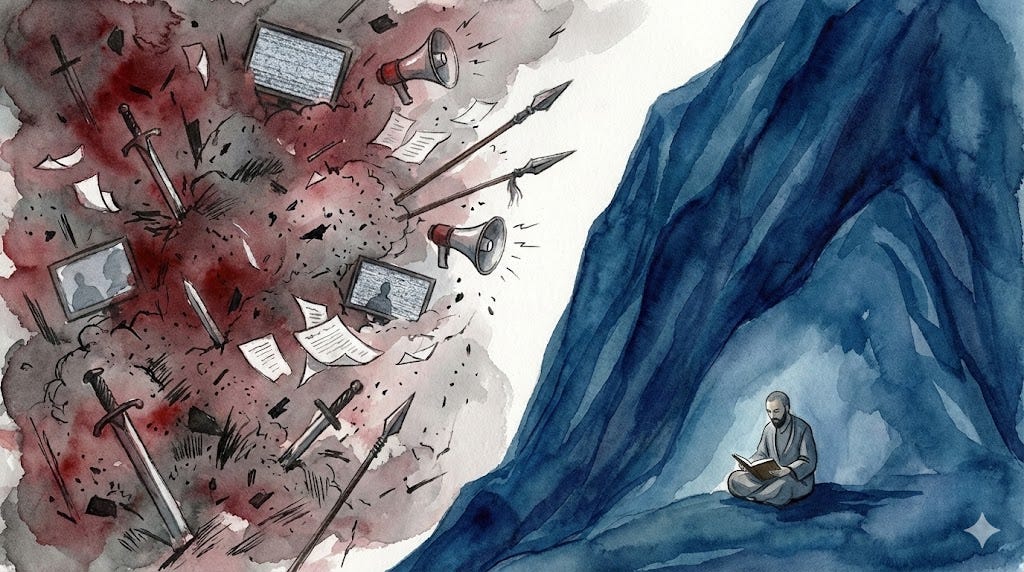
Now let us bring this into the present.
Because the False Dawn did not end with the Qarmatians, and the Premature Dawn did not end with Zayd.
Both patterns repeat in every generation — wearing new clothes, speaking new languages, but leading to the same destinations.
The Neo-Qarmatians: ISIS and the Khawarij Spirit
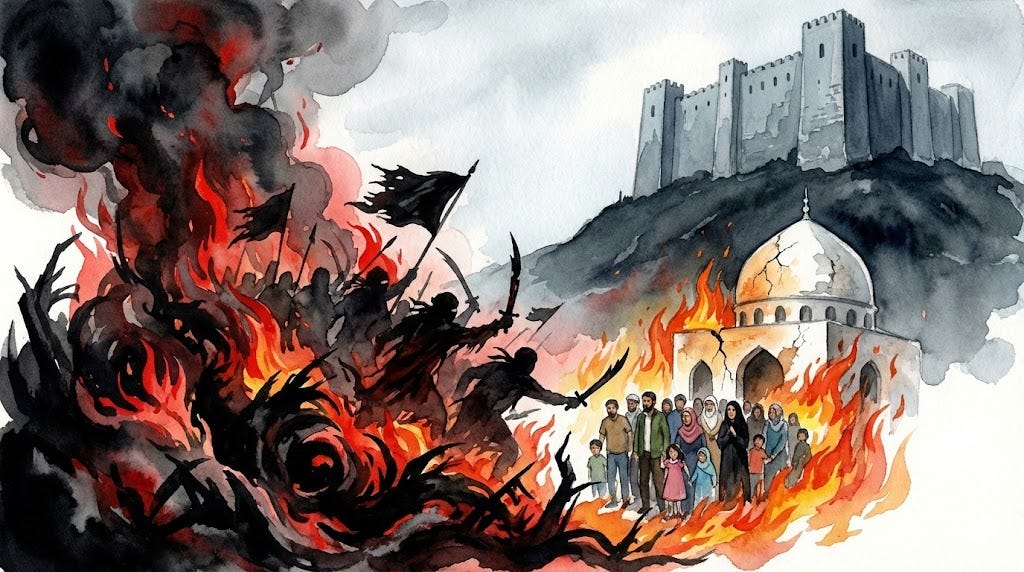
When ISIS — Daesh — declared its “Caliphate” in 2014, they did so with all the trappings of Islamic legitimacy.
They quoted the Quran.
They claimed to implement the Shariah.
They spoke of justice for the Ummah and the restoration of Islamic glory.
And then they began to slaughter.
They slaughtered Shia.
They slaughtered Sunnis who disagreed with them.
They slaughtered Christians and Yazidis.
They burned a Jordanian pilot alive in a cage.
They beheaded journalists on camera.
They enslaved women and called it piety.
They destroyed ancient mosques and shrines and called it monotheism.
Their “Shariah” was not Divine Law.
It was a penal code of horror — a theatre of cruelty designed to terrify, not to guide.
Like the Qarmatians before them, they claimed the “kernel” of Islam (justice, power, the Caliphate) while destroying its “shell” (mercy, wisdom, the actual teachings of the Prophet).
And here is the litmus test that reveals what they truly were: they never targeted the Centres of Arrogance.
Think about it.
ISIS/Daesh controlled territory.
They had weapons.
They had fighters willing to die.
They had supply lines and funding and international networks.
And in all those years, with all those resources, they never once struck at the Zionist Entity.
They never once struck at the American military bases that dot the region.
Their sword was drawn only against the Ummah — against Muslims, against the weak, against those who could not fight back.
This reveals them as what they always were: tools of the very system they claimed to fight.
They were the False Dawn par excellence — a fire that burned the house rather than lighting the lamp.
Like the Qarmatians, they could seize territory.
Like the Qarmatians, they could steal the symbols of authority.
But like the Qarmatians, they could not stabilise anything.
They could not build.
They could not create a society that people wanted to live in.
Their “Caliphate” lasted a few years and then collapsed under the resistance of the believers, led by the martyr, Hajj Qassem Soleimani, leaving behind only graves and trauma.
The Trap of “Adrenaline Activism”
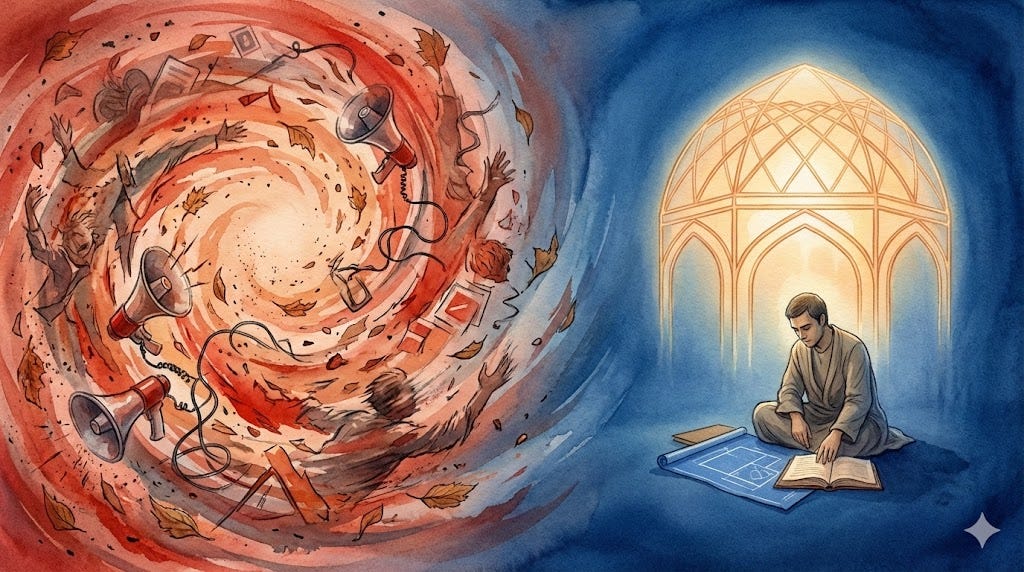
But the False Dawn does not only appear in the form of armed movements.
It appears also in the form of what we will call “Adrenaline Activism” — and this is a critique directed especially at ourselves, at the diaspora communities.
There is a tendency among us — Sunni and Shia alike — to confuse excitement with movement.
To confuse visibility with progress.
To confuse noise with revolution.
Going to a demonstration.
Shouting slogans.
Waving flags.
Posting on social media.
Arguing with strangers on the internet.
Causing scenes.
Being seen to be angry.
All of this provides an emotional high.
It releases adrenaline.
It makes us feel like we are doing something.
And then we go home, exhausted, and nothing has changed.
The occupation continues.
The genocide continues.
The structures of power remain exactly as they were.
This is Reactionary, not Revolutionary.
What is the difference?
The Reactionary acts on impulse.
He responds to events.
He seeks immediate visibility.
He burns bright and then burns out.
He measures success by how he feels, not by what he achieves.
The Revolutionary thinks.
He plans.
He studies the enemy.
He builds institutions.
He cultivates patience.
He understands that “Quietism” is not passivity — it is incubation.
It is the silent work of preparation that precedes decisive action.
There is a maxim that we want carried forward:
“To be Revolutionary is to think.”
Sometimes the most revolutionary act is not to go to the demonstration.
Sometimes the most revolutionary act is to stay home and read a book that will change how you understand the world.
Sometimes it is to learn a skill that the movement needs.
Sometimes it is to build an institution — a school, a clinic, a media outlet — that will serve the cause for generations.
The Qarmatians were “active.”
They were very active.
They were so active that they massacred thirty thousand pilgrims.
Activity without wisdom is not virtue.
It is catastrophe.
The Theology of Strategy: “Tie Your Camel”
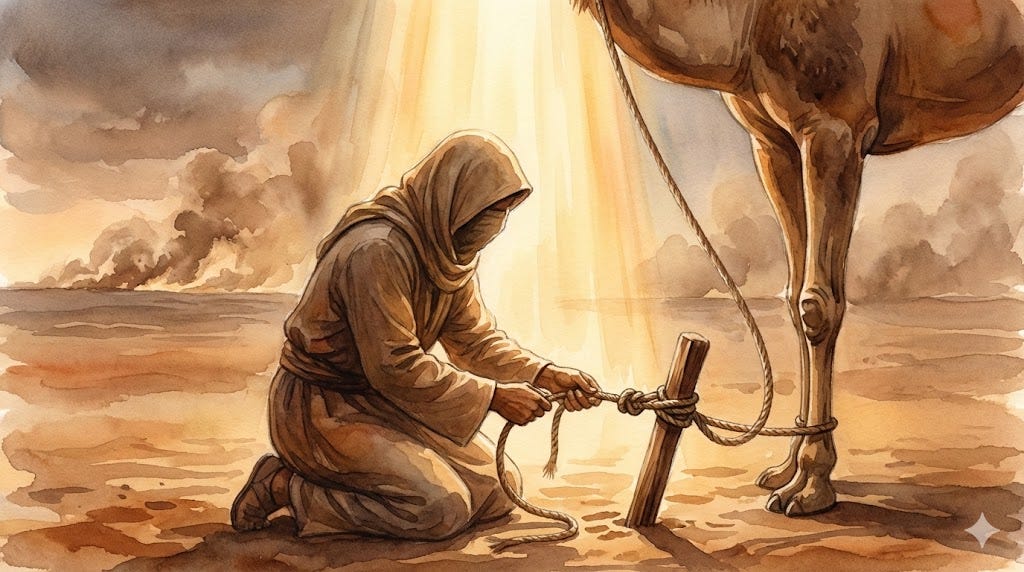
But lest anyone misunderstand our critique of recklessness as an endorsement of inaction, let us be clear about something: we are not preaching passivity.
We are not saying that the believer should do nothing while injustice reigns.
We are saying that faith does not negate strategy.
There is a famous narration in which a Bedouin came to the Prophet, peace be upon him and his family, and asked: “Should I tie my camel and trust in God, or should I leave it untied and trust in God?”
The Prophet replied: “Tie your camel, then trust in God.”
“وَمِنْ ذَلِكَ قَوْلُهُ (عَلَيْهِ الصَّلَاةُ وَالسَّلَامُ) لِلَّذِي سَأَلَهُ عَنْ نَاقَتِهِ: أَعْقِلُهَا وَأَتَوَكَّلُ، أَمْ أُطْلِقُهَا وَأَتَوَكَّلُ؟ فَقَالَ لَهُ: اعْقِلْهَا وَتَوَكَّلْ.”
“And from that is his saying (peace and blessings be upon him) to the one who asked him about his she-camel: ‘Should I tie it and trust, or release it and trust?’ So he said to him: ‘Tie it and trust.’“
— Al-Sharif Al-Radi, Al-Majazat al-Nabawiyyah, Page 188
— Al-Tirmidhi, Jami’ Hadith 2517
Tawakkul — trust in God — does not mean abandoning effort.
It means making the effort and then trusting that God will bless the outcome.
It means doing your part and leaving the rest to Him.
But there is a corollary that we must also understand: to enter a conflict unprepared is not trust in God.
It is negligence.
If you lead people into a battle without understanding the enemy’s capabilities, without securing supply lines, without training your forces, without a plan for what comes after — you are not relying on God.
You are testing God.
And testing God is a sin.
More than that: you are responsible for the blood of those who follow you.
Every death that results from your incompetence is on your head.
You may have had good intentions.
You may have loved justice.
But you led people to their graves through recklessness, and no amount of good intention can wash that away.
This is why the Imams were so careful.
This is why they waited.
Not because they did not care about justice — they cared more than anyone — but because they understood that premature action destroys the very cause it claims to serve.
Case Study: The Patience of Mukhtar
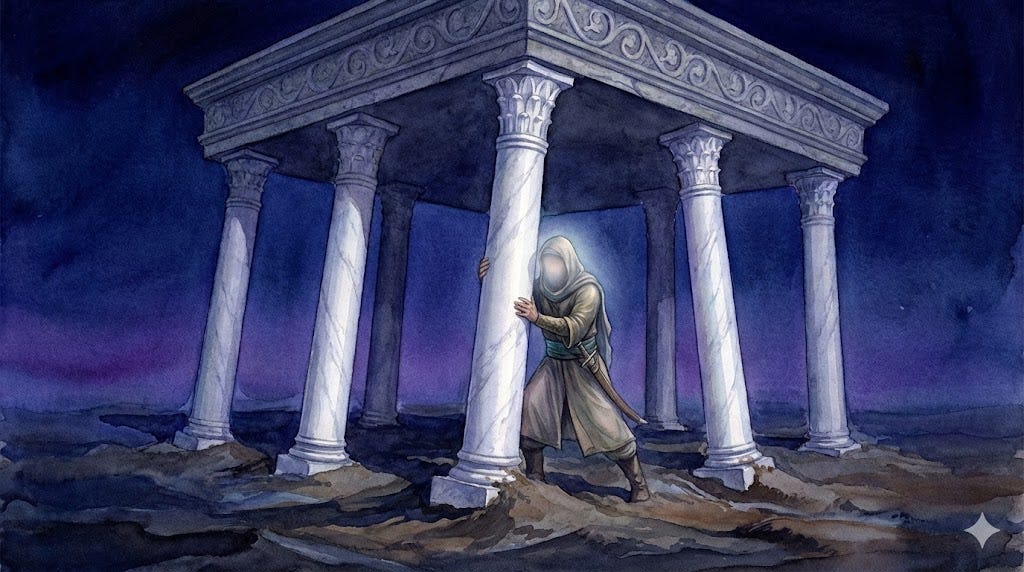
Let us give a positive example — someone who understood this.
Mukhtar al-Thaqafi was in Kufa when Imam Husayn, peace be upon him, was martyred.
He heard the news.
He felt the grief.
He burned with the desire for vengeance.
But he did not rise immediately.
He waited.
He assessed the situation.
He saw that the people of Kufa — the same people who had written letters inviting Imam Husayn and then abandoned him — were not ready.
They were demoralised.
They were afraid.
They were compromised by the Umayyad intelligence services.
An uprising at that moment would have failed.
So Mukhtar built.
He cultivated a cadre of loyal followers.
He secured allegiances from key tribal leaders.
He established networks of communication.
He waited for the political situation to shift — for the Umayyads to be distracted by internal conflicts.
He waited for the right moment.
And when he finally rose, he succeeded — at least for a time.
He established a government in Kufa.
He hunted down the killers of Imam Husayn.
He brought justice to those who had thought they would escape it forever.
His government eventually fell — not because his strategy was wrong, but because the people of Kufa betrayed him, just as they had betrayed everyone before him.
War-weariness set in.
The Zubayris rose and attacked.
And Mukhtar was martyred.
But even in his fall, there is a lesson.
The failure was not in the plan.
The failure was in the people.
The Leader can have the perfect strategy — the True Dawn — but if the people are intoxicated by the False Dawn (fear, bribes, impatience, exhaustion), the movement collapses.
This is why the work of tarbiyah — the cultivation of souls — is inseparable from the work of revolution.
You cannot build a just society with unjust people.
You cannot sustain a movement with followers who will abandon you at the first sign of difficulty.
The internal work and the external work must go together.
The Rehabilitation: From False Dawn to Morning Light

We have been speaking of the Zaydis as an example of the “Premature Dawn.”
But we must be careful here, because history is not static, and the categories of the past do not always apply cleanly to the present.
Today, in Yemen, there is a movement called Ansarallah (the Helpers of God) — known to the world as “the Houthis.”
They are, doctrinally, Zaydis.
They come from that tradition.
Their theology emphasises the obligation to rise against unjust rulers, the necessity of the “Imam of the Sword.”
And yet, something remarkable has happened.
By aligning with the Axis of Resistance — by adopting the discipline of strategic patience, the methodology of capacity-building, the framework of Wilayat al-Faqih — they have transcended the old categories.
They are no longer the “Premature Dawn” of Imam Zayd’s time.
They have become something else: a sustained “Morning Light” that neither fades nor burns itself out.
Imam Khamenei — may God protect him — has praised them as exemplars, and as a people who fear God and no-one else:
کاری که ملّت یمن کردند و دولت انصارالله کردند در پشتیبانی از مردم غزّه، حقّاً و انصافاً کار بزرگی بود، کار برجستهای بود. اینها به مجاری حیاتی رژیم صهیونیستی ضربه زدند. آمریکا تهدید کرد، از آمریکا نترسیدند. این جور است؛ وقتی انسان از خدا بترسد، از غیر خدا نمیترسد.
What the people of Yemen and the Ansarallah government did in support of the people of Gaza was truly and justly a great deed; it was a prominent act. They struck a blow to the vital lifelines of the Zionist regime. The US threatened them, but they did not fear the US. That is how it is; when a person fears God, he does not fear anyone else.
— Imam Khamenei, Speech in a Meeting with Friday Prayer Leaders, January 16, 2024
And Ayatullah Sistani speaking of their resistance and its legitimacy has said:
الوقوف إلى جانب الشعب اليمني المظلوم من أجل خلاص الشعب اليمني المظلوم من هذا العدوان الغاشم وأن يستعيد إستقلاله وحريته وكرامته وسيادته على أراضيه... إنّ المقاومة مشروعة بموجب الشرائع السماوية والقوانين الوضعية.
Standing by the side of the oppressed Yemeni people for the sake of the salvation of the oppressed Yemeni people from this brutal aggression, and so that they may restore their independence, freedom, dignity, and sovereignty over their lands... Resistance is legitimate according to divine laws and man-made laws.
— Ayatullah Sistani, Statements regarding the regional sovereignty and the rights of oppressed nations
Scholars from Qom to Najaf have validated their struggle and their righteousness.
Yemen as the Turning Point
But there is a deeper dimension to what is unfolding in Yemen — a dimension that connects directly to the eschatological framework we have been building throughout this series.
Shaykh Alireza Panahian — one of the most incisive voices on the philosophy of awaiting — delivered a remarkable analysis shortly after the Saudi coalition began its bombardment in 2015.
In a speech titled “Yemen is the Turning Point of the Appearance,” he made an argument that demands our attention:
یمن، مقدمه واجب ظهور است... امروز یمن معیار تشخیص حق و باطل است. اگر بپرسند که آیا این حوادث یمن همان خروج یمانی است؟ بنده عرض میکنم که چه آن یمانی موعود باشد و چه نباشد، این اتفاقات مقدمه آن است. اصلاً مگر میشود یمانی بیاید و قبلش زمینه در یمن فراهم نشده باشد؟... روایات میگویند: پرچم یمن از پرچم خراسانی هدایتگرتر است.
“Yemen is the obligatory introduction to the Reappearance... Today, Yemen is the criterion for distinguishing Truth from Falsehood. If one asks, ‘Are these events in Yemen the very Uprising of the Yamani?’ I submit that whether this is the promised Yamani or not, these events are the prelude to it. Is it even possible for the Yamani to arrive without the ground (zamineh) being prepared in Yemen beforehand? ... The traditions say: ‘The Flag of Yemen is more guiding than the Flag of the Khorasani [Iran].’“
— Shaykh Alireza Panahian, “Why is Yemen the Turning Point of the Reappearance?” (Chera Yaman Nuqte-ye Atf-e Zohoor Ast?), Ordibehesht 1394 (April/May 2015)
Pause on the logic here.
Shaykh Panahian is not claiming with certainty that the current leaders of Ansarallah are the Yamani of the prophecies.
He is making a more subtle and more profound argument: whether they are or not, they are preparing the ground.
The Yamani — whoever he will be — cannot simply appear in a vacuum.
He cannot emerge in a Yemen that is subjugated, colonised, spiritually broken.
He needs a zamineh — a foundation, a platform, a people who have been prepared through struggle to receive him.
And that is precisely what Ansarallah is building.
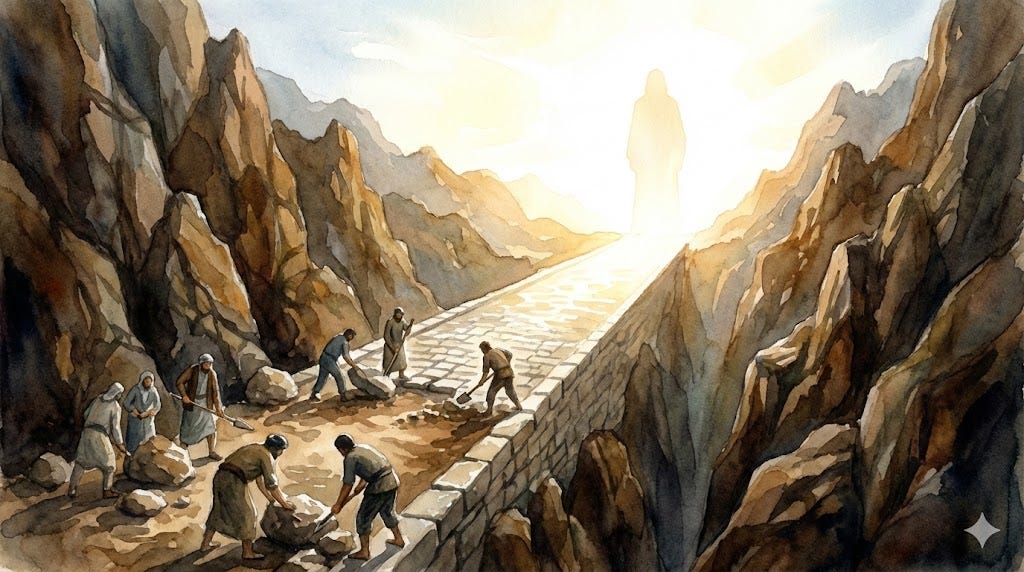
They are not waiting passively for the Yamani to descend from the sky.
They are constructing the conditions that would make his arrival possible.
They are the construction crew building the landing strip.
The Hadith of the Yamani’s Flag

The hadith that Shaykh Panahian cites is recorded in one of the oldest and most trusted sources on the Mahdi — Kitab al-Ghaybah by Shaykh al-Nu’mani:
وَلَيْسَ فِي الرَّايَاتِ رَايَةٌ أَهْدَى مِنْ رَايَةِ الْيَمَانِيِّ، هِيَ رَايَةُ هُدًى، لِأَنَّهُ يَدْعُو إِلَى صَاحِبِكُمْ.
“There is no flag among the flags more guiding than the flag of the Yamani; it is the flag of guidance, because he invites to your Owner [The Mahdi].”
— Al-Nu’mani, Kitab al-Ghaybah, Chapter 14, Hadith 13
Consider the weight of this statement.
The hadith does not say that the Yamani’s flag is equal to other flags.
It says it is more guiding — ahdā — than any other, including the flag of Khorasan (Iran).
Why?
Because the Yamani’s entire purpose is singular: “he invites to your Owner.”
He is not building a dynasty.
He is not establishing a rival centre of power.
He is not competing for leadership.
His entire function is to point toward the Mahdi, to prepare the way, to gather the forces that will rally to the Imam when he appears.
This is precisely the posture that Ansarallah has adopted.
They do not claim to be the final authority.
They do not set themselves up as rivals to the Marjaiyyah or to the Islamic Republic.
They position themselves as part of the Axis — as one front in a larger war, as servants of a cause that transcends their own movement.
This is what distinguishes them from the “Premature Dawn” of Zayd’s time.
Zayd rose alone, without coordination, without integration into a larger strategic framework.
He was sincere, but he was isolated.
His uprising, however noble, could not sustain itself because it was not connected to the broader infrastructure of resistance.
Ansarallah is different.
They have integrated.
They have coordinated.
They have submitted their local struggle to the guidance of a transnational vision rooted in Wilayat al-Faqih.
And in doing so, they have transformed what might have been another “Premature Dawn” into something far more significant: a rehabilitation of the Zaydi model itself.
The Criterion of Truth and Falsehood
There is another dimension to Shaykh Panahian’s analysis that we must not miss.
He says:
امروز یمن معیار تشخیص حق و باطل است.
“Today, Yemen is the criterion for distinguishing Truth from Falsehood.”
— Shaykh Alireza Panahian, “Why is Yemen the Turning Point of the Reappearance?” (Chera Yaman Nuqte-ye Atf-e Zohoor Ast?), Ordibehesht 1394 (April/May 2015)
This is not rhetoric.
This is theology.
In every age, there is a mihak — a touchstone, a criterion — by which souls are tested.
In the time of the Prophet, the criterion was accepting or rejecting his message.
In the time of Imam Ali, the criterion was Siffin and Nahrawan.
In the time of Imam Husayn, the criterion was Karbala.
And today?
Today, one of the criteria is Yemen.
How you respond to the blockade — to the starvation of children, to the bombing of hospitals, to the longest-running humanitarian catastrophe of our age — reveals what sits on the throne of your heart.
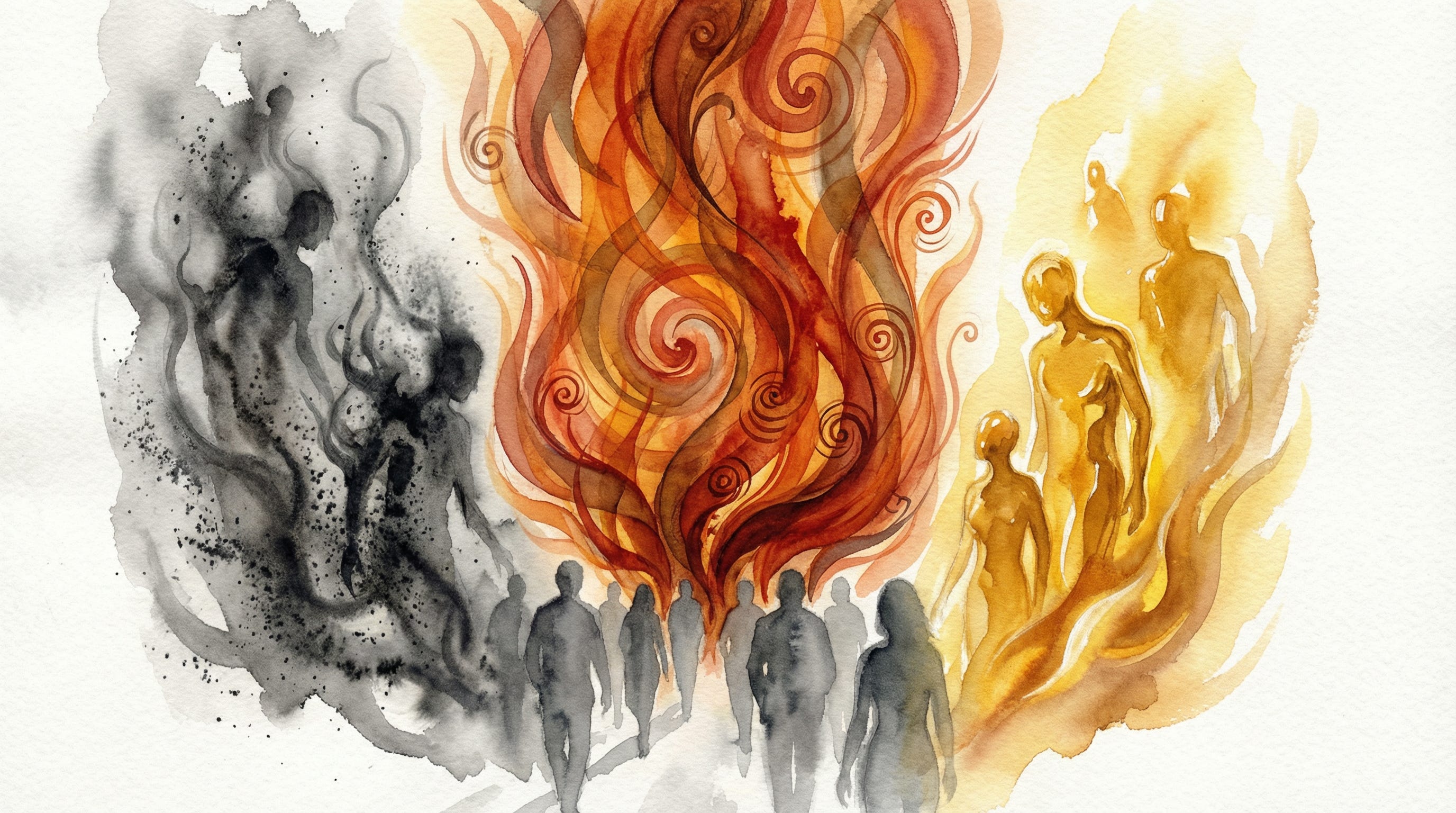
Those who remain silent, who look away, who find reasons to condemn the victims rather than the aggressors — they have been sifted.
They have revealed themselves.
Those who speak, who support, who recognise the righteousness of the resistance even when it costs them — they too have been sifted.
They too have revealed themselves.
The Tamhis — the Divine Sifting we discussed in the previous session (session 53) — is not an abstract principle.
It is happening now.
And Yemen is one of its furnaces.
The Synthesis
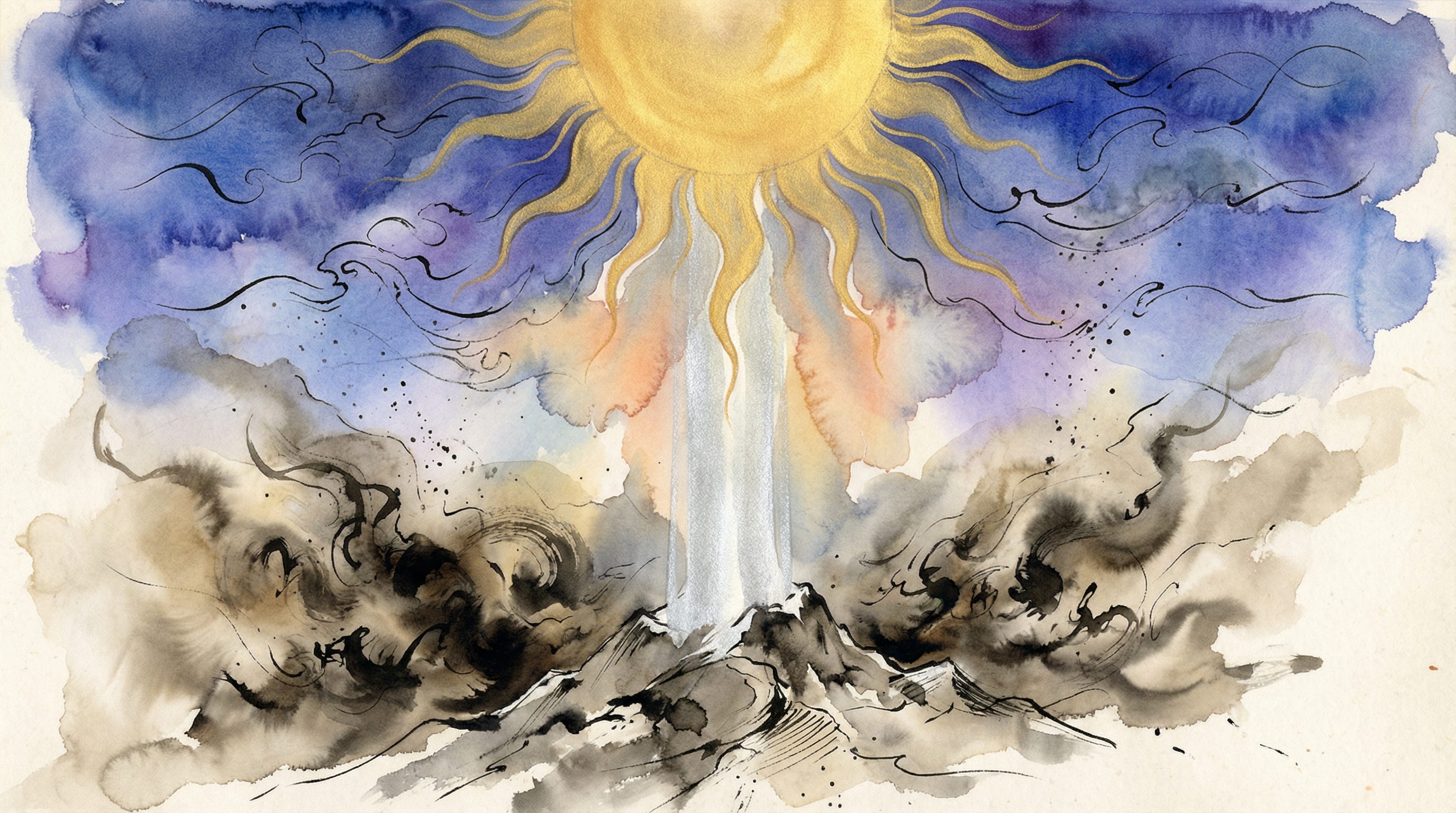
This is the rehabilitation of the Zaydi model — not by abandoning its spirit (the refusal to accept tyranny) but by integrating it into a larger framework (the discipline of preparation, the guidance of the jurists, the patience that builds rather than burns).
The False Dawn of the Qarmatians remains a dark chapter — a warning for all time. Batinism without Sharia leads to nihilism.
The massacre at Makkah, the filling of the well of Zamzam with corpses, the claim of divinity on the threshold of the Kaaba — these are the fruits of stripping the kernel from its shell.
But the Premature Dawn of the Zaydis has been transformed into something else: a Morning Light that shines alongside the Twelver sun.
Whether or not Ansarallah is the Yamani movement prophesied in the traditions, they are — at minimum — constructing the zamineh (foundation) for it.
They are preparing the ground.
They are proving that Yemen can produce a resistance that does not burn out, that does not collapse into internal strife, that holds the line decade after decade against the combined might of the Saudi coalition and its Western backers.
And if the traditions are correct — if the flag of Yemen is indeed “more guiding” than any other — then what is unfolding in our lifetime may be far more significant than we yet understand.
Call to Clarify: The True Nature of “Quietism”
Let us end this point with a clarification that we hope will be carried forward.
For centuries, the enemies of the Shia have accused us of “quietism.”
They say:
“Look at the Twelvers — they believe in a Hidden Imam, so they do nothing.
They wait passively for a savior while the world burns.
They are politically irrelevant, spiritually escapist, practically useless.”
This is a lie.
And the lie must be refuted.
The Twelver “quietism” of the early Occultation was not cowardice.
It was not escapism.
It was not passivity.
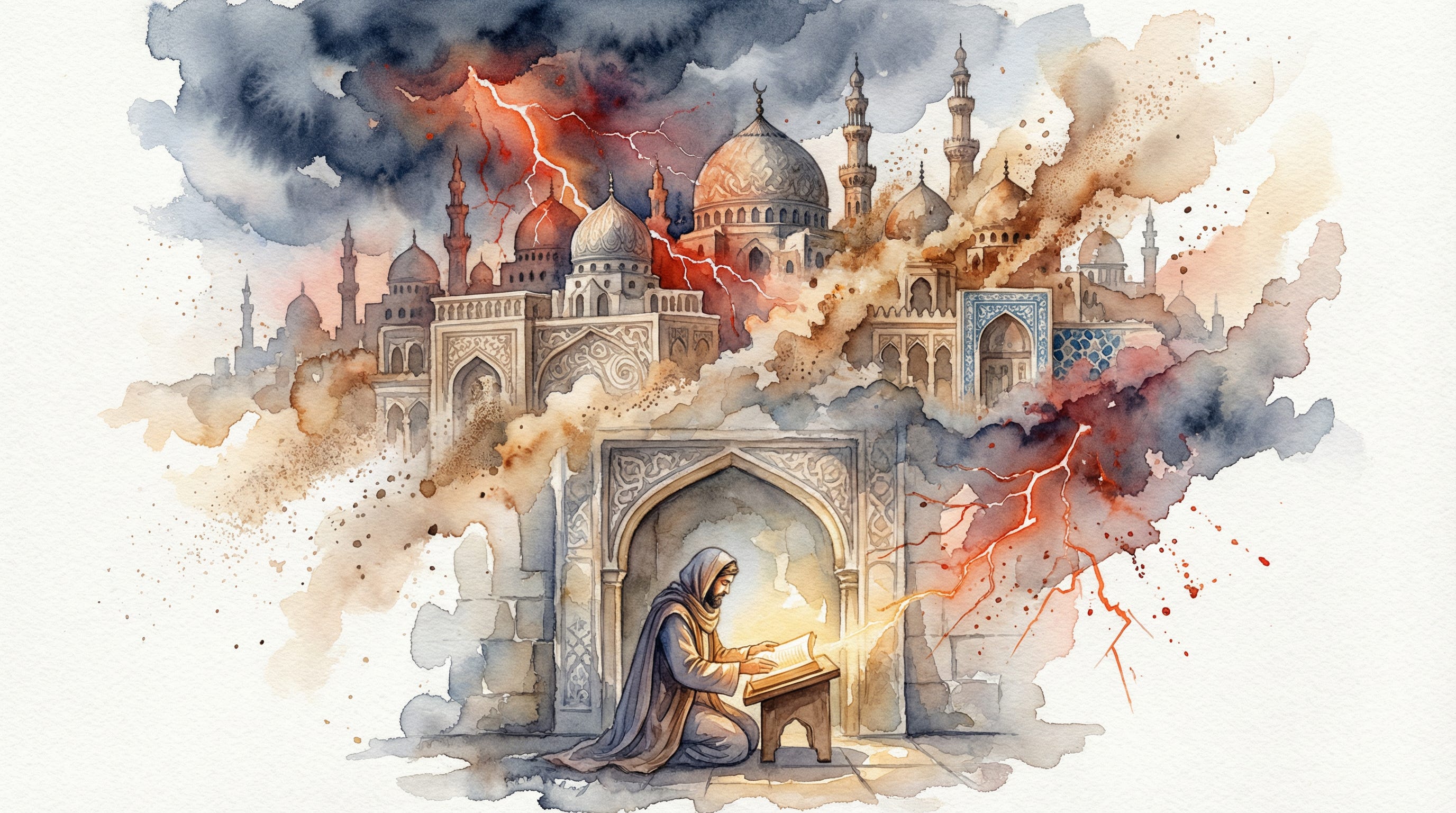
It was the preservation of the Kernel.
While the Ismailis built a visible empire — the Fatimid Caliphate, stretching from North Africa to Egypt to Syria — the Twelvers built something less visible but far more durable: the Hawza.
The scholarly networks.
The chains of transmission.
The books of hadith and jurisprudence and theology.
The institutions that would preserve the teachings of the Ahl al-Bayt through every storm.
The Fatimid Empire rose and fell.
It lasted a few centuries and then collapsed, absorbed into the Ayyubid dynasty.
Today, it is a memory — studied by historians, mourned by Ismailis, but gone.
The Hawza survived.
It survived the Mongol invasion that destroyed Baghdad.
It survived the Safavid transformation.
It survived Saddam Hussein.
It survived a thousand years of persecution and emerged, in 1979, as the foundation of an Islamic Republic.
This is what “quietism” accomplished: the survival of the Kernel through a thousand years of fire.
When the Marjaiyyah appears “quiet” — when Ayatullah Sistani stays in Najaf and does not make political pronouncements every day — this is not passivity.
This is the “Mukhtar Phase.”
This is the building of the cadre, the securing of the foundation, so that when action is required — like the fatwa against Daesh in 2014 — it is decisive, united, and permanent.
We do not want the flash of an explosion.
That is Reactionary.
We want the rising of the sun.
That is Revolutionary.
One destroys.
The other illuminates.
Conclusion: The Discernment of the Waiter
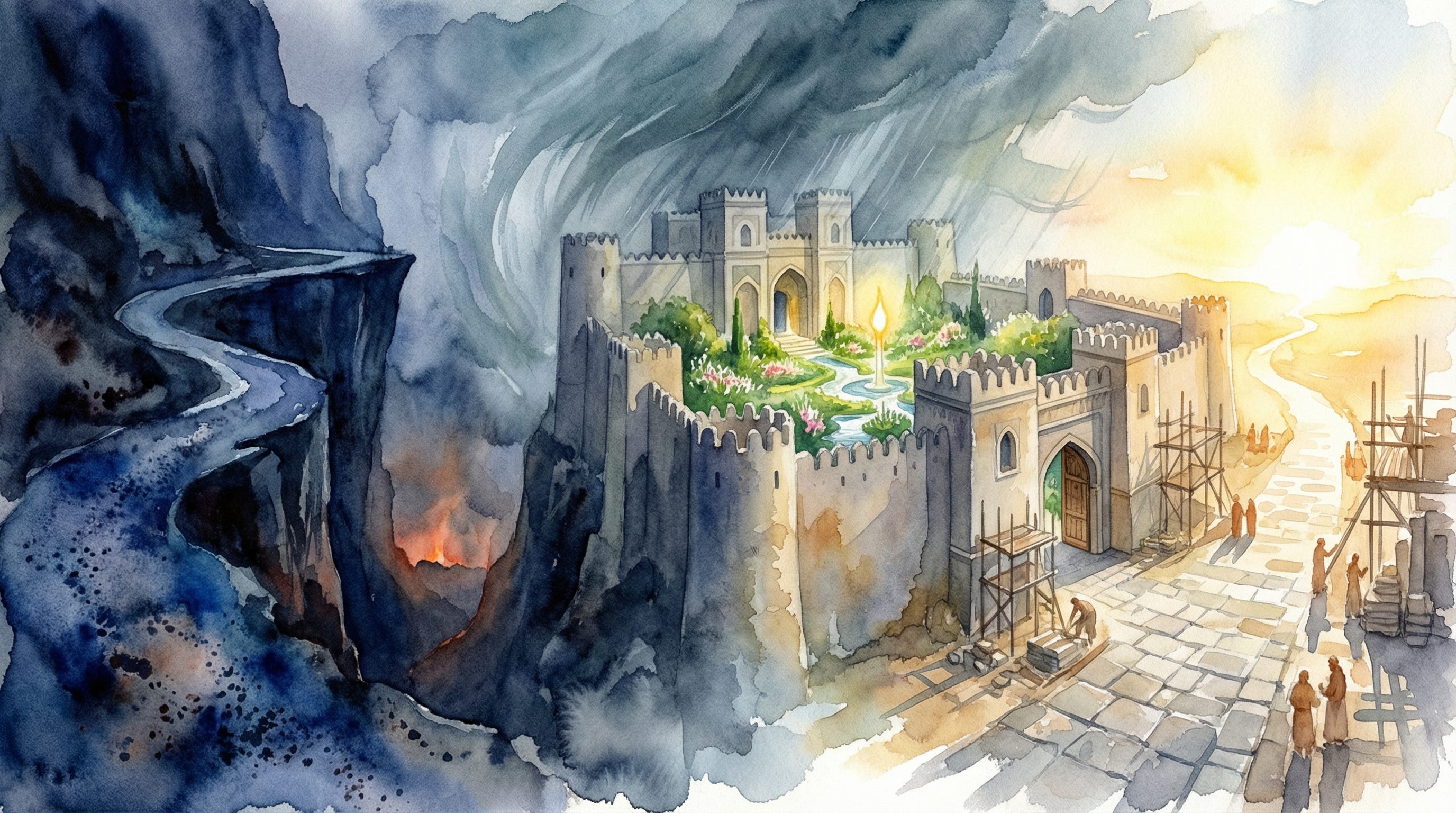
And with this, we conclude tonight’s reflection.
We had intended, when preparing this session, to cover three movements in a single evening: the False Dawn, the Shield of Taqiyyah, and the Industry of Waiting.
But as the material unfolded — as the sources accumulated, as the connections deepened, as the contemporary applications demanded their due — it became clear that to compress all of this into a single session would be counterproductive.
The goal of this series has never been to impress with volume.
It has been to transform with clarity.
And clarity requires space.
It requires the listener to sit with an idea, to turn it over in the mind, to let it settle into the heart before the next idea arrives.
To rush through the theology of the Occultation — the most consequential period in the history of the Shia, the era in which we ourselves live — would be to dishonour both the material and the audience.
So we have made a decision.
Tonight’s session — has focused entirely on the False Dawn: the theology of premature uprising, the Qarmatian catastrophe, the Zaydi dilemma, and the rehabilitation of that dilemma in our own time through the Morning Light of Ansarallah.
Next week — God willing — we will turn to the Shield: the theology of Taqiyyah, the distinction between concealment and falsehood, the strategic depth that preserved the Kernel through a thousand years of persecution, and the contemporary applications from the Nuclear Fatwa to the combat against Islamophobia.
And the week after — God willing — we will turn to the Industry: the active nature of Waiting, the “Best of Deeds” that is not a feeling but a labour, the building of Deterrent Power as a theological obligation, and the scientific-civilisational preparation that the society of the Waiters must undertake.
Three sessions.
Three movements.
One arc.
The arc is this:
First, the community had to learn what to avoid — the traps of heresy and prematurity that consumed so many.
This is the Negative: the paths that lead to destruction.
Then, the community had to learn how to protect — the Shield that guards the Faith during the long night without becoming falsehood itself.
This is the Defensive: the posture of survival.
Finally, the community had to learn how to build — the understanding that Waiting is not idleness but industry, not passivity but preparation.
This is the Positive: the posture of victory.
Together, these three movements answer the question we posed at the beginning of tonight:
How did they live?
Not merely survive — but live.
With purpose.
With dignity.
With a vision that stretched beyond their own lifetimes to the dawn that they knew would come, even if they would not live to see it.
What We Have Learned Tonight
Let us gather the threads of what we have covered.
We began with the Quranic Anchor — the diagnosis of human hastiness in Surah al-Isra:
وَكَانَ الْإِنسَانُ عَجُولًا
“And man is ever hasty.”
— Quran, Surah Al-Isra (the Chapter of the Night Journey) #17, Verse 11
This hastiness — this ‘Ajala — is the root of the False Dawn.
The man who cannot wait grabs at the first glimmer on the horizon, convinced it is the sunrise, and runs headlong into darkness.
We examined the Qarmatian Catastrophe — the heretical model that stripped the shell from the kernel and ended up destroying both.
Thirty thousand pilgrims slaughtered in the Haram (Sacred Sanctuary of Makkah).
The Well of Zamzam filled with corpses.
The Black Stone stolen for twenty-two years.
And at the heart of it all, a man standing on the threshold of the Ka’bah, reciting:
أَنَا بِاللَّهِ وَبِاللَّهِ أَنَا ... يَخْلُقُ الْخَلْقَ وَأُفْنِيهِمْ أَنَا
“I am by God, and God is by me... He creates the creation, and I annihilate them.”
— Ibn Kathir, Al-Bidaya wa al-Nihaya, Volume 11, Events of 317 AH
This is where Batinism leads.
This is where the rejection of the Shariah ends.
Not in liberation — but in the claim of divinity.
Not in justice — but in massacre.
We examined the Three Placements — the theological proof that power does not equal authority.
The Quraysh could build the walls of the Ka’bah, but they could not place its Heart.
Al-Hajjaj could conquer Mecca with catapults, but the Stone rejected his hand.
The Qarmatians could steal the Stone for twenty-two years, but they had to return it — because stability belongs only to the one whom God has chosen.
We examined the Zaydi Dilemma — the premature model that wasted righteous blood without achieving the goal.
Zayd ibn Ali was sincere.
He was brave.
He was a martyr.
But he was not the Imam, and his timing was wrong.
The capacity was not there.
The people betrayed him, as they had betrayed everyone before him who trusted Kufa without verification.
We examined Imam Khomeini’s Synthesis — the understanding that the Imams were not pacifists but strategists.
They lacked capacity, not will.
And we examined Imam Khamenei’s framework of the 250-Year-Old Person — the understanding that all twelve Imams are one continuous personality, one strategic vision, expressing itself through different tactics according to the demands of each era.
We examined the distinction between Imam Hasan and Imam Husayn — the understanding that Taqiyyah is permissible when the shell is being corrupted, but forbidden when the shell itself is being destroyed.
Muawiyah kept the shell and changed the kernel; peace was possible. Yazid sought to destroy both; revolution was obligatory.
We examined the Modern Applications — the neo-Qarmatians of ISIS/Daesh who never struck the Centres of Arrogance, the trap of “Adrenaline Activism” that mistakes noise for movement, and the patience of Mukhtar who built before he rose.
And we examined the Rehabilitation — the transformation of the Zaydi model through Ansarallah, who have integrated into the Axis of Resistance and become the Morning Light that Shaykh Panahian identifies as “the obligatory introduction to the Reappearance.”
All of this is the first movement: the discernment of the Waiter.
Before the Waiter can protect, before the Waiter can build, the Waiter must first learn to see.
To distinguish the False Dawn from the True.
To recognise heresy when it wears the mask of revolution.
To recognise prematurity when it wears the mask of courage.
To understand that the Architects of Chaos can displace reality, but they cannot stabilise it.
This is the negative knowledge — the knowledge of what to avoid.
And it is essential.
Because the night is long, and the glimmers are many, and the hasty man will be deceived a hundred times before the True Dawn finally breaks.
What Remains
Next week, God willing, we will ask: How did they protect themselves?
The answer is Taqiyyah — the Shield of the Believer.
But Taqiyyah has been slandered for centuries, reduced to a caricature of “lying.”
We will dismantle this caricature.
We will trace the linguistic roots that connect Taqiyyah to Taqwa — both from the same root, W-Q-Y, meaning “to shield.”
We will examine the distinction between Kitman (concealment to protect) and Kidhb (falsehood).
We will see how Allamah Tabatabai grounds Taqiyyah in the Fitrah itself — even animals use camouflage; it is written into creation.
And we will bring this into the present:
Imam Khamenei’s “Heroic Flexibility,” the Nuclear Fatwa and why it structurally cannot be a lie, the double standard between Iran and the Zionist entity, and the social application of combating Islamophobia not with defensiveness but with Makarim al-Akhlaq — the Noble Character that disarms the slanderer.
The week after, we will ask: How did they build?
The answer is Intidhaar — but not the passive waiting of the bus stop.
The active waiting of the construction site.
We will examine the hadith that calls Waiting “the Best of Deeds” — A’mal, not Ahwal; Actions, not States.
We will examine Shaheed Mutahhari’s dialectic between Destructive Waiting and Constructive Waiting.
We will examine the “People of the East” prophecy and the building of Deterrent Power as a theological obligation.
We will examine Ayatullah Jawadi-Amoli’s argument that the Mahdi is the Universal Intellect, and therefore the society of the Waiters must be the most rational, the most scientific, the most advanced on earth.
Three sessions.
Three movements.
One arc.
By the end, we will have answered the question that has driven this entire series on the Major Occultation:
How does a community live — with purpose, with dignity, with hope — when the Imam is hidden and the night is long?
A Supplication-Eulogy for the Master of the Age
We are in the month of Sha’ban — the month of the Master of the Age, the month in which the heavens opened and the Proof of God was born into a world that did not deserve him.
In this blessed month, we turn to the supplications that connect us to him — the prayers that have sustained the Waiters through eleven centuries of longing.
In the Munajaat Sha’baniyyah — the Whispered Prayer of Sha’ban, attributed to Imam Ali and recited by all the Imams after him — we find the posture of the servant who has recognised his own poverty:
إِلهِي هَبْ لِي كَمَالَ الْانْقِطَاعِ إِلَيْكَ، وَأَنِرْ أَبْصَارَ قُلُوبِنَا بِضِيَاءِ نَظَرِهَا إِلَيْكَ، حَتَّى تَخْرِقَ أَبْصَارُ الْقُلُوبِ حُجُبَ النُّورِ فَتَصِلَ إِلَى مَعْدِنِ الْعَظَمَةِ
“My God, grant me complete severance from all else and attachment to You alone. Illuminate the vision of our hearts with the light of looking at You, until the vision of the hearts pierces the veils of light and reaches the Source of Greatness.”
— Munajaat Sha’baniyyah
This is the prayer of the one who has learned to distinguish — who no longer chases every glimmer, but seeks only the Source.
The False Dawns cannot deceive the heart that is attached to God alone.
The Qarmatian’s claim of divinity is transparent to the one whose eyes are fixed on the True Divine.
In Dua al-Iftitah — the Opening Supplication recited every night of the month of Ramadhan — we find the acknowledgment of the Imam’s station and our need for his guidance:
اَللَّهُمَّ إِنَّا نَرْغَبُ إِلَيْكَ فِي دَوْلَةٍ كَرِيمَةٍ تُعِزُّ بِهَا الْإِسْلَامَ وَأَهْلَهُ، وَتُذِلُّ بِهَا النِّفَاقَ وَأَهْلَهُ، وَتَجْعَلُنَا فِيهَا مِنَ الدُّعَاةِ إِلَى طَاعَتِكَ، وَالْقَادَةِ إِلَى سَبِيلِكَ
“O God, we ardently desire from You a noble state through which You strengthen Islam and its people, and through which You humiliate hypocrisy and its people, and You make us among those who invite to Your obedience and among the leaders to Your path.”
— Dua al-Iftitah
This is the prayer of the one who has understood that Waiting is not passive — that we ask to be among the inviters, among the leaders.
We do not ask merely to witness the Noble State; we ask to be its builders, its soldiers, its servants.
In Dua al-Ahd — the Covenant Supplication recited every morning — we renew our pledge to the Imam and ask to be among his helpers:
اَللَّهُمَّ إِنْ حَالَ بَيْنِي وَبَيْنَهُ الْمَوْتُ الَّذِي جَعَلْتَهُ عَلَى عِبَادِكَ حَتْماً مَقْضِيّاً، فَأَخْرِجْنِي مِنْ قَبْرِي مُؤْتَزِراً كَفَنِي، شَاهِراً سَيْفِي، مُجَرِّداً قَنَاتِي، مُلَبِّياً دَعْوَةَ الدَّاعِي
“O God, if death — which You have made inevitable for Your servants — should come between me and him, then bring me forth from my grave, wrapped in my shroud, my sword unsheathed, my spear bared, answering the call of the Caller.”
— Dua al-Ahd
This is the prayer of the one who refuses to let even death excuse him from service.
If we cannot serve him in this life, we ask to be resurrected to serve him in the next.
The commitment is total.
The covenant is unbreakable.
And in Ziyarat Aal-e-Yasin — the Visitation of the Family of Yasin, one of the most profound addresses to the Hidden Imam — we find the recognition of who he is and what his Occultation means:
السَّلَامُ عَلَيْكَ حِينَ تَقُومُ، السَّلَامُ عَلَيْكَ حِينَ تَقْعُدُ، السَّلَامُ عَلَيْكَ حِينَ تَقْرَأُ وَتُبَيِّنُ، السَّلَامُ عَلَيْكَ حِينَ تُصَلِّي وَتَقْنُتُ، السَّلَامُ عَلَيْكَ حِينَ تَرْكَعُ وَتَسْجُدُ
“Peace be upon you when you stand. Peace be upon you when you sit. Peace be upon you when you recite and explain. Peace be upon you when you pray and supplicate. Peace be upon you when you bow and prostrate.”
— Ziyarat Aal-e-Yasin
He is not absent.
He is living.
He stands, he sits, he recites, he prays, he bows, he prostrates.
The Occultation is not his death — it is our blindness.
He is the sun behind the clouds, and the clouds are our sins, our divisions, our hastiness, our inability to distinguish the False Dawn from the True.
And so we pray:
O God,
We have learned tonight of the darkness — of the Qarmatians who filled Zamzam with corpses, of the Zaydis whose noble blood watered the earth without fruit, of the hasty who grabbed at every glimmer and found only ashes.
Grant us the patience that does not grab.
Grant us the discernment that distinguishes the False Dawn from the True. Grant us the wisdom to see through the mask of revolution when it covers the face of heresy.
Grant us the courage to wait when waiting is harder than fighting, and the courage to rise when rising is obligatory.
O God,
We have learned tonight of the Kernel and the Shell — of those who stripped the shell and rotted the kernel, of those who thought they could reach the Truth by abandoning the Law.
Grant us attachment to both.
Grant us the outward practice that protects the inward reality.
Grant us the prayer that is not ritual but conversation.
Grant us the fast that is not hunger but training.
Grant us the pilgrimage that is not tourism but transformation.
O God,
We have learned tonight of the Three Placements — of the Stone that only the Infallible can stabilise, of the Covenant that only the Chosen can install.
We acknowledge that we cannot stabilise ourselves.
We are the Quraysh who can build walls but cannot place hearts.
We are the workers whose plaster crumbles.
We need the Hand of Baqiyatullah — the Remnant of God — to set us right, to install us in our proper place, to stabilise what our sins have shaken loose.
O God,
In this month of Sha’ban — the month of his birth, the month of his light — we renew our covenant with the Master of the Age.
We pledge that we will not be among the hasty who chase False Dawns.
We pledge that we will not be among the laggards who abandon hope.
We pledge that we will hold the Middle Cushion — neither rushing ahead nor falling behind — until the True Dawn breaks and the Cry from the Heavens announces what we have awaited for eleven centuries.
O God,
If we live to see him, make us among his helpers.
If we die before his appearance, raise us from our graves — wrapped in our shrouds, swords unsheathed, spears bared — to answer the call of the Caller.
O God,
Hasten his relief.
Ease his emergence.
Expand his helpers.
Fulfil Your promise to him.
And count us — despite our sins, despite our failings, despite our hastiness — among those who awaited him truly, who prepared for him actively, who distinguished the False Dawn from the True and held the line until the Morning Light finally broke across the horizon of history.
O Master of the Age,
We are your servants in the long night.
We have learned tonight to beware the False Dawn — the Qarmatian heresy, the Zaydi prematurity, the neo-Khawarij of our own time who slaughter in Your name while never striking Your enemies.
We have learned that the Architects of Chaos can displace reality, but only You can stabilise it.
We have learned that the hasty man grabs at glimmers and finds darkness, but the patient man waits for the True Dawn and finds You.
We are trying to be patient.
We are trying to distinguish.
We are trying to hold the Middle Cushion — to catch up when we fall behind, to return when we rush ahead.
But we are weak.
And the night is long.
And the False Dawns are many.
So we ask You — and through You, we ask God:
Do not let us be deceived.
Do not let us mistake the flash of an explosion for the rising of the sun.
Do not let us waste our blood in premature uprising, nor squander our lives in passive despair.
Make us among the construction crew building Your landing strip.
Make us among the Waiters whose waiting is industry.
Make us among those who will see Your face — whether in this life or in the Resurrection — and hear You say:
“You held the line. You distinguished the True from the False. You were patient. Enter among My helpers.”
O God, send blessings upon Muhammad and the Family of Muhammad, and hasten their relief.
Amen, O Lord Sustainer of the Universes
Amen, O Most Merciful of the Merciful
And from Him alone is all ability and He has authority over all things.